The Silenced Scream: When Victimhood Is Erased in the Name of Narrative
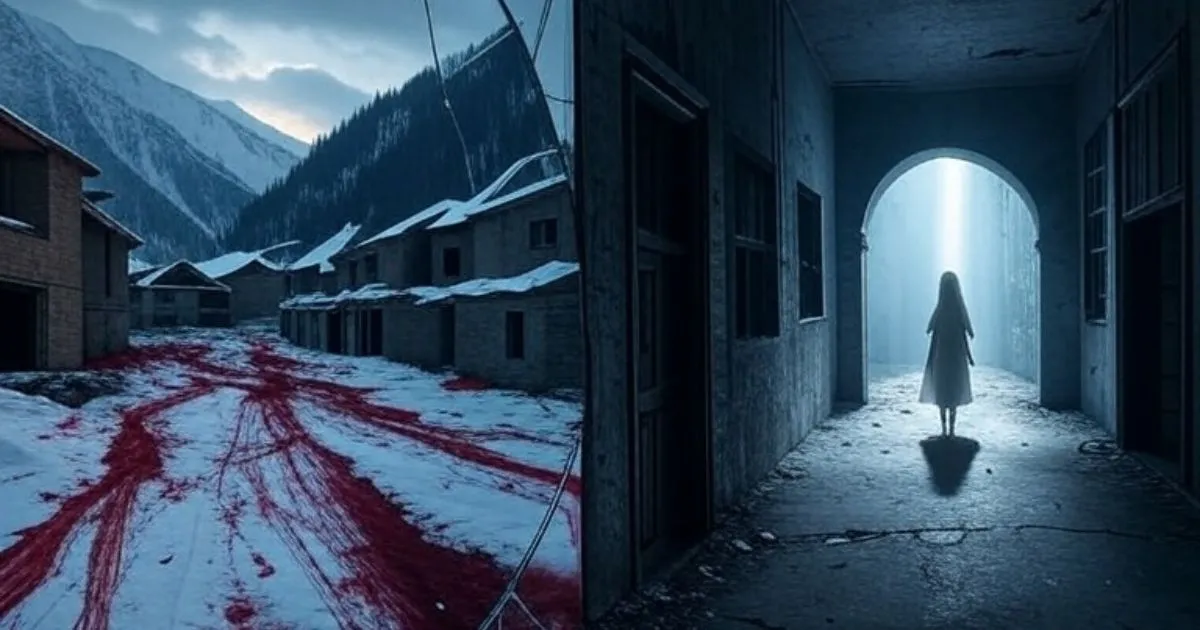
In the shadowed corners of history, where truth lies buried beneath layers of selective memory, there exists a profound agony: the pain of those whose suffering is not only ignored but vilified as propaganda. This is the story of the Hindu in films like The Kashmir Files and The Bengal Files, and of the white working-class communities in England, Ireland, and across Europe. It is a story of mutilated bodies, broken spirits, and voices silenced—not by force, but by the insidious dismissal of their pain. It is a story of selective outrage, where some victims are enshrined, and others are erased, their cries drowned in the cacophony of political expediency.
The Hindu Lament: A Genocide Denied
Imagine a people uprooted from their ancestral lands, their homes burned, their daughters defiled, their sons slaughtered. Imagine the streets of Kashmir in the 1990s, where Hindu Pandits faced the wrath of militant mobs, their cries for help met with the chilling slogan, “Raliv, galiv, ya chaliv” (convert, die, or leave). Imagine Bengal in 1946, during the horrors of Direct Action Day and the Noakhali riots, where Hindu women were raped, men beheaded, and entire villages razed in a frenzy of communal violence. These are not mere stories; they are documented truths, etched in the memories of survivors and the pages of history—yet, they are branded as propaganda when brought to light.
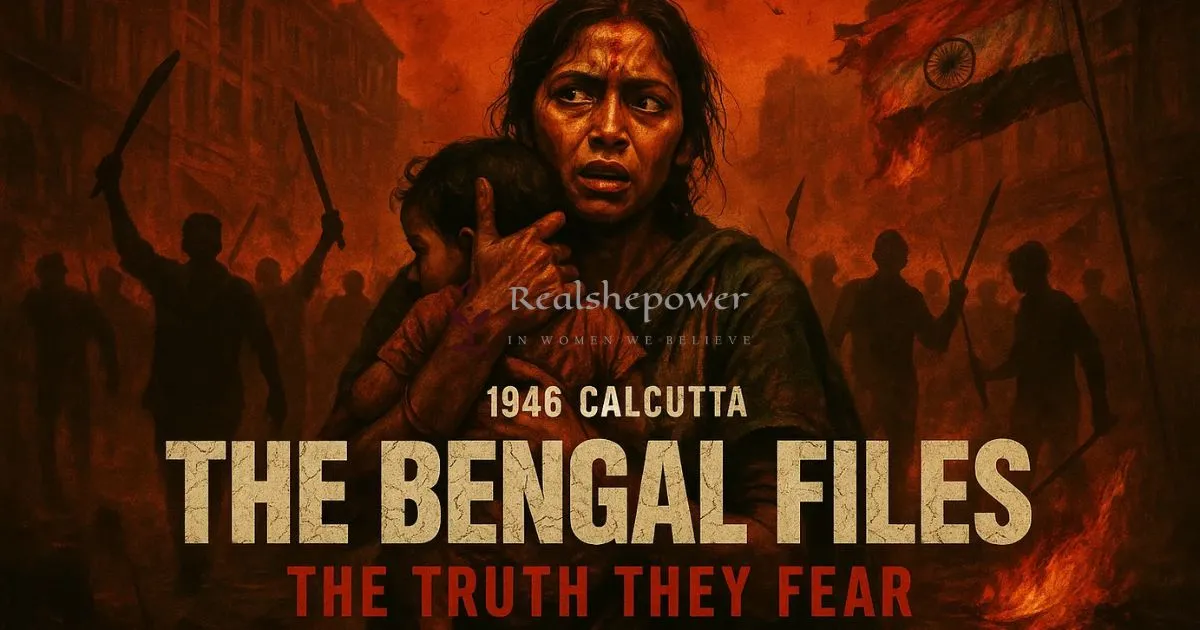
Films like The Kashmir Files and The Bengal Files dare to rip open these wounds. They weave narratives from the testimonies of those who lived through the terror—700 Kashmiri Hindu families interviewed for the former, countless voices of Bengal’s forgotten for the latter. These films do not merely depict violence; they demand accountability, they plead for remembrance. Yet, their reception is a study in selective outrage. Critics, cloaked in the garb of intellectualism, dismiss them as “communal poison” or “majoritarian propaganda.” The Hindu victim, it seems, is an inconvenience to the narrative of secular harmony. To acknowledge their genocide—whether in Kashmir or Bengal—would disrupt the carefully curated myth that only certain communities can claim victimhood.
The Hindu’s pain is not just ignored; it is vilified. To speak of the Noakhali genocide, where thousands of Hindus were massacred in 1946, is to risk being labeled a bigot. To mourn the exodus of 400,000 Kashmiri Pandits, driven from their homeland by Islamist militancy, is to invite accusations of Islamophobia. The survivor’s testimony is reduced to a political weapon, their agony dismissed as exaggeration. The bloodstains on the streets of Srinagar and Noakhali are washed away by the ink of revisionist pens, and the Hindu is left to grieve in silence, their victimhood deemed unworthy of empathy.
The White Wail: A Pain Unheard
Across the seas, in the cobbled streets of England, Ireland, and Germany, another kind of erasure unfolds. Here, the victims are young white girls, their innocence stolen in broad daylight, their bodies violated by predators who exploit the vulnerabilities of open borders. In Rotherham, England, between 1997 and 2013, an estimated 1,400 girls—mostly white, working-class, and underage—were groomed, trafficked, and raped by gangs predominantly of Pakistani descent. Reports detail how authorities, paralyzed by fear of being labeled racist, turned a blind eye. Complaints were buried, investigations stalled, and victims were left to fend for themselves, their pain deemed secondary to the preservation of multicultural ideals.
In Ireland, cases like the 2018 assault of a 14-year-old girl in Dublin by an Iraqi asylum seeker sparked fleeting outrage, only to be smothered by the weight of political correctness. In Germany, the 2015 Cologne New Year’s Eve attacks saw hundreds of women sexually assaulted by groups of men, many identified as North African and Middle Eastern migrants. Yet, the response was not justice but deflection—officials downplayed the incidents, media outlets hesitated to report ethnicities, and the victims’ trauma was subordinated to the narrative of inclusivity.
The white victim, much like the Hindu, is an inconvenient truth. Their suffering is dismissed as collateral damage in the pursuit of a utopian ideal. To speak of the Rotherham scandal or the Cologne attacks is to risk being branded a xenophobe. To demand justice for white girls raped on the streets of Europe is to invite accusations of white supremacy. The pain of these communities—often working-class, already marginalized by economic decline—is erased, their voices drowned out by the louder, more politically expedient cries of others.
The Double Standard: A Tale of Selective Outrage
Now, reverse the scenario. Imagine a white heckler hurling racial slurs at a Black man, or worse, a white perpetrator committing violence against a Black victim. The response is immediate, deafening, global. Social media erupts, hashtags like #BlackLivesMatter trend for weeks, and protests flood the streets. The killing of George Floyd in 2020 sparked a movement that reshaped discourse, toppled statues, and demanded systemic change. And rightly so—Floyd’s death was a grotesque injustice, a symbol of centuries of oppression. But why is the same empathy, the same outrage, not extended to the Hindu widow in Kashmir or the white teenager in Rotherham?
The Black Lives Matter movement, born from genuine pain, has become a global symbol of victimhood that is universally acknowledged. Yet, the Hindu’s genocide and the white girl’s rape are met with skepticism, if not outright rejection. The media amplifies one narrative while burying the other. A Black victim’s story is a rallying cry; a Hindu or white victim’s story is a political liability. This double standard is not justice—it is a hierarchy of suffering, where some pains are deemed worthy, and others are consigned to oblivion.

The Nuanced Tragedy: A Civilization’s Conscience
The erasure of Hindu and white victimhood is not merely a matter of ignored statistics; it is a betrayal of humanity’s moral compass. To dismiss the pain of one group to appease another is to fracture the very foundation of empathy. The Hindu who fled Kashmir carries the same scars as the Black man who endured slavery’s legacy. The white girl raped in Rotherham feels the same terror as the minority woman harassed in a prejudiced society. Pain is universal, yet its acknowledgment is not.
This is not to pit one group against another, nor to diminish the struggles of Black or immigrant communities. It is to demand a reckoning with the hypocrisy that silences some victims while amplifying others. The Hindu’s agony in The Kashmir Files is not propaganda; it is a cry for justice, backed by the testimonies of survivors and historical records. The white girl’s trauma in Rotherham is not an isolated incident; it is a systemic failure, documented in reports like the 2014 Jay Report, which exposed the scale of grooming gangs in the UK.
A Call to Remember, A Demand to Resist
What does it mean to live in a world where some screams are heard, and others are stifled? It means a world where truth is a casualty of narrative, where justice is a privilege reserved for the politically convenient. The Hindu, the white working-class girl, the forgotten victims of history—they are not asking for pity. They are asking to be seen, to be heard, to be believed.
Let The Bengal Files haunt you, as Vivek Agnihotri promised. Let the images of Noakhali’s blood-soaked streets and Kashmir’s abandoned homes sear your conscience. Let the stories of Rotherham’s girls and Cologne’s women shake you from complacency. These are not tales of propaganda; they are truths that demand reckoning. To dismiss them is to betray not just the victims, but the very idea of humanity.
In the end, the silenced scream is not just Hindu or white, it is the scream of anyone whose pain is deemed inconvenient. It is the scream of a civilization that has lost its way, choosing narrative over truth, appeasement over justice. Let us listen before it is too late. Let us resist the erasure. Let us remember.