Why Bollywood and YouTube Critics Shun The Bengal Files: Fear, Hypocrisy, and the Truth They Won’t Face
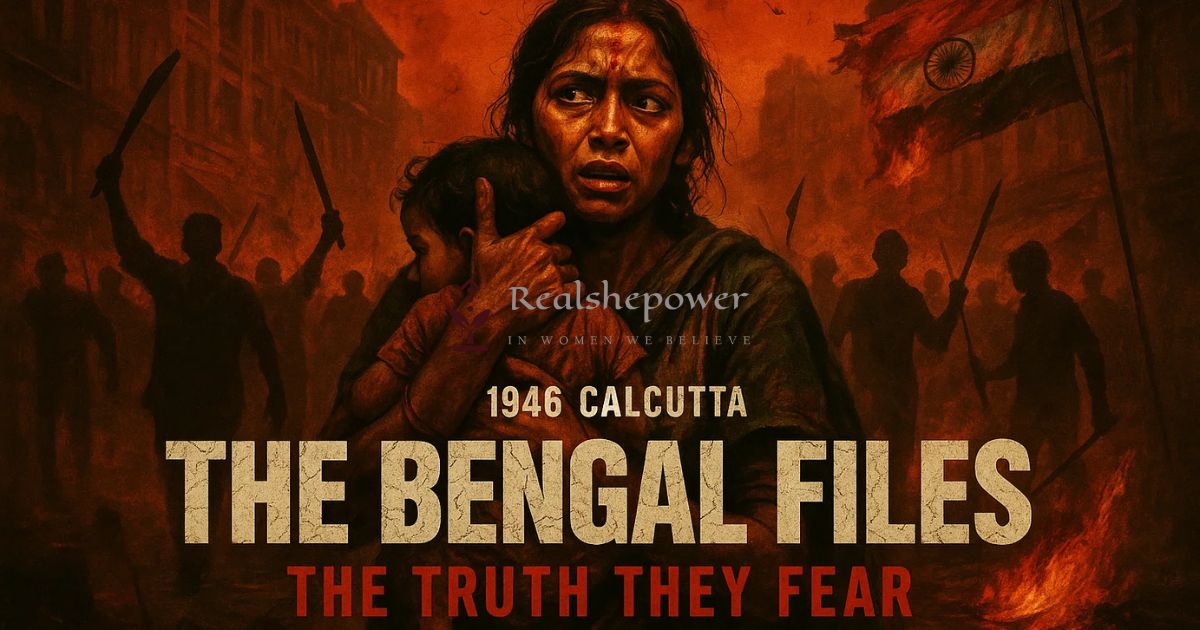
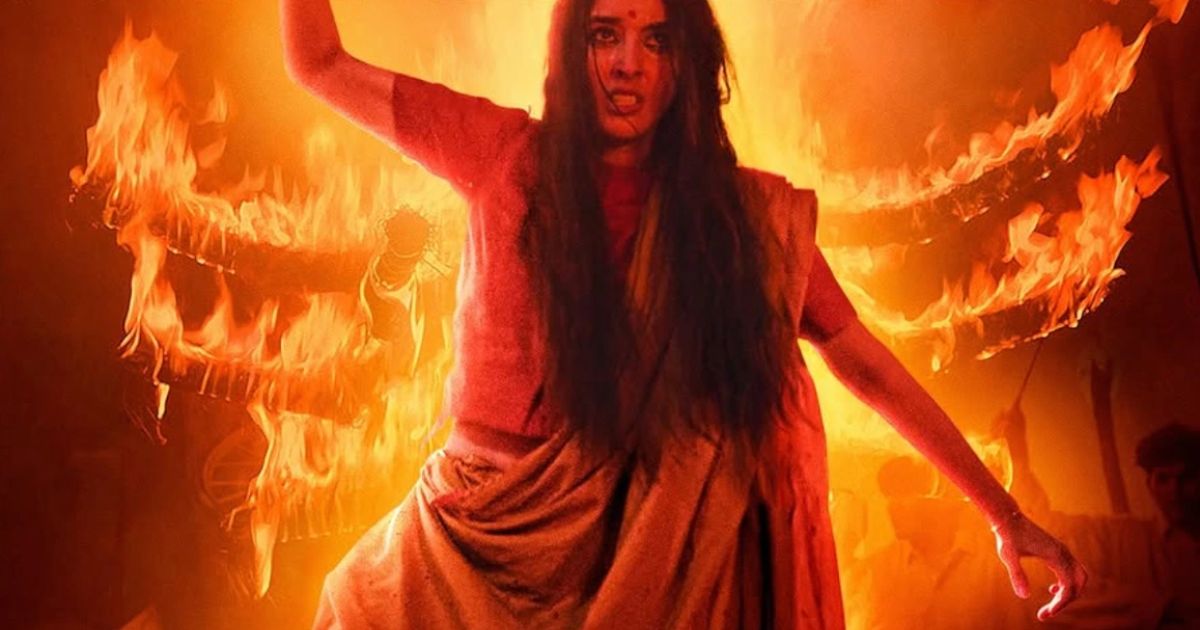
The reluctance of big YouTube reviewers, critics, and Bollywood names to engage with The Bengal Files stems from a toxic mix of fear, self-preservation, and entrenched ideological biases that dominate the entertainment and media landscape. Vivek Agnihotri’s film, part of his Files trilogy, dives headfirst into the brutal history of the 1946 Calcutta Riots and Noakhali massacres, events tied to the Muslim League’s Direct Action Day that left thousands, mostly Hindus, dead or displaced. The film’s unapologetic focus on Hindu victimization and its portrayal of Muslim mobs as aggressors has made it radioactive for the industry’s elite. Why? Because touching it risks their carefully curated images, lucrative careers, and social standing in a world where narratives are tightly controlled by a mix of political correctness, fear of backlash, and a deep-seated aversion to confronting inconvenient truths.

First, let’s talk about the fear. Bollywood and its orbiting ecosystem of reviewers and influencers thrive on access to stars, studios, and the cultural elite. Taking on The Bengal Files means risking ostracism. The film’s subject matter, rooted in historical accounts of communal violence, challenges the sanitized version of India’s past that many prefer to uphold. It dares to show Hindus as victims of targeted violence, which clashes with the dominant narrative that often paints Hindus as oppressors or downplays their suffering to avoid “stoking tensions.” Big names know that endorsing or even neutrally reviewing the film could invite accusations of “Islamophobia” or “divisiveness” from vocal activist groups, social media mobs, and powerful political lobbies. The West Bengal government’s alleged interference with the film’s trailer launch in Kolkata, citing lack of permits, is a case study in how authorities can flex muscle to suppress uncomfortable narratives. Actors like Saswata Chatterjee and Sourav Das distancing themselves from the project, claiming they were unaware of the full script or title change, screams of self-preservation, they’re terrified of being associated with something that could tank their careers in an industry that rewards conformity.
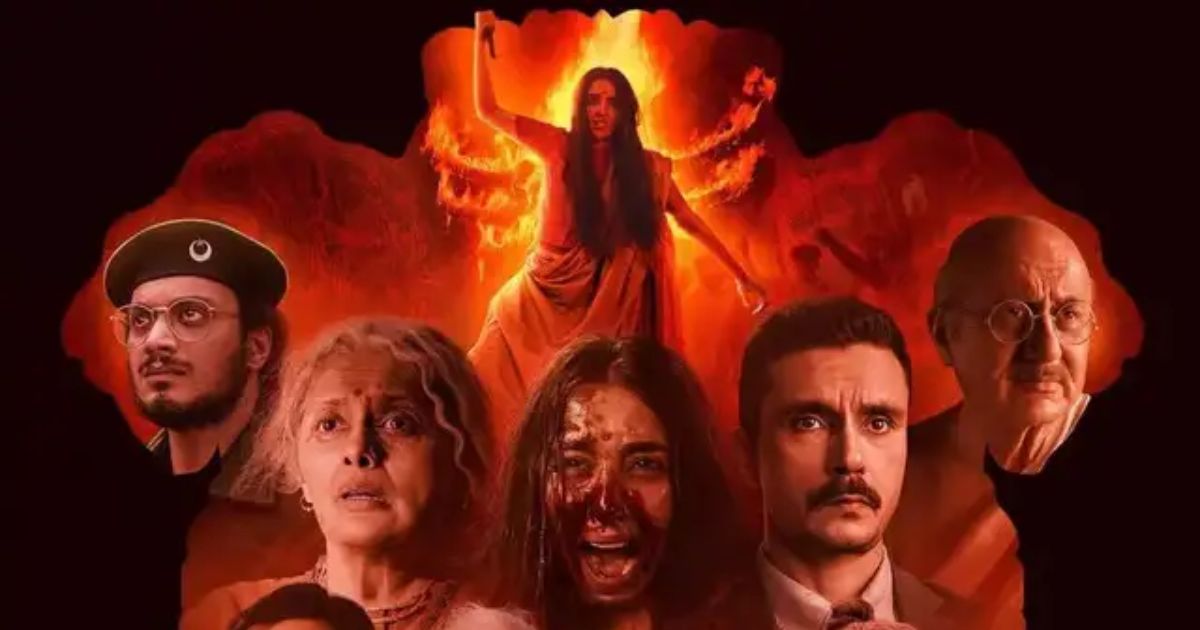
Now, why the double standard? Films like The Kerala Story, which also faced backlash for its portrayal of religious dynamics, or others that depict Hindus as villains, are often celebrated as bold exercises in free speech. Critics and influencers shower them with praise, cloaking their approval in terms of “artistic courage” or “challenging the status quo.” Yet, when a film like The Bengal Files flips the script, showing Hindus as victims and Muslims as perpetrators based on documented history, not fiction, the same voices go silent or turn hostile. This isn’t just hypocrisy; it’s a calculated choice. Portraying Hindus as aggressors aligns with a globalized, liberal narrative that casts majority communities as inherently oppressive. It’s safe, it’s trendy, and it earns you clout in international film festivals and elite circles. Conversely, highlighting Hindu suffering, especially at the hands of Muslim mobs in a historical context, is seen as punching down or inflaming communal tensions. The fear isn’t just of professional repercussions; it’s of physical and social ones too. Reviewers and celebrities know that a single tweet or video clip supporting the film could unleash a torrent of abuse, threats, or even violence from those who feel their community’s image is under attack.
The truth is a landmine. The Bengal Files doesn’t just tell a story; it excavates a buried chapter of history—Direct Action Day, where Muslim League-led violence triggered horrific riots, killing up to 10,000, mostly Hindus, and displacing countless others. This isn’t propaganda; it’s documented in historical records, survivor accounts, and even contemporary reports. Yet, the industry shuns it because acknowledging this truth disrupts the myth of harmonious coexistence that Bollywood often peddles. It forces a reckoning with the messy, bloody reality of Partition, where both sides suffered, but one side’s pain is rarely given screen time. The silence from big names isn’t just about weak spines; it’s about complicity in a system that prioritizes narrative control over historical honesty. They’re not afraid of their “Hinduness”— many are happy to cash in on Hindu-themed blockbusters when it suits them. They’re afraid of the consequences of defying a cultural orthodoxy that punishes those who challenge the approved script.

This cowardice is compounded by Bollywood’s broader rot: nepotism, groupthink, and a desperate need to stay relevant in a polarized world. YouTube reviewers, who often depend on studio goodwill for early access or sponsorships, won’t touch a film that could alienate their audience or sponsors. Critics, many of whom lean left or cater to urban, cosmopolitan sensibilities, avoid it to maintain their intellectual credentials. And celebrities? They’re too busy playing it safe, issuing vague statements about “peace” and “unity” while dodging anything that might cost them their next big endorsement. The irony is that this silence proves the film’s point: the truth about Hindu victimization is so explosive that even discussing it is taboo. Meanwhile, films that vilify Hindus or sidestep Muslim aggression face no such scrutiny, they’re lauded as “brave” because they don’t threaten the power structures that prop up the industry.
In the end, it’s not just fear of the truth or a lack of spine, it’s a betrayal of art itself. By shunning The Bengal Files, these influencers, critics, and stars reveal their priorities: career over courage, conformity over honesty. They’re not just avoiding a film; they’re avoiding accountability for the stories India needs to tell. And that’s the real tragedy, not the riots of 1946, but the silence of 2025.