Nepal’s Gen Z Uprising: A Timeline of Protests, Violence, and Political Upheaval
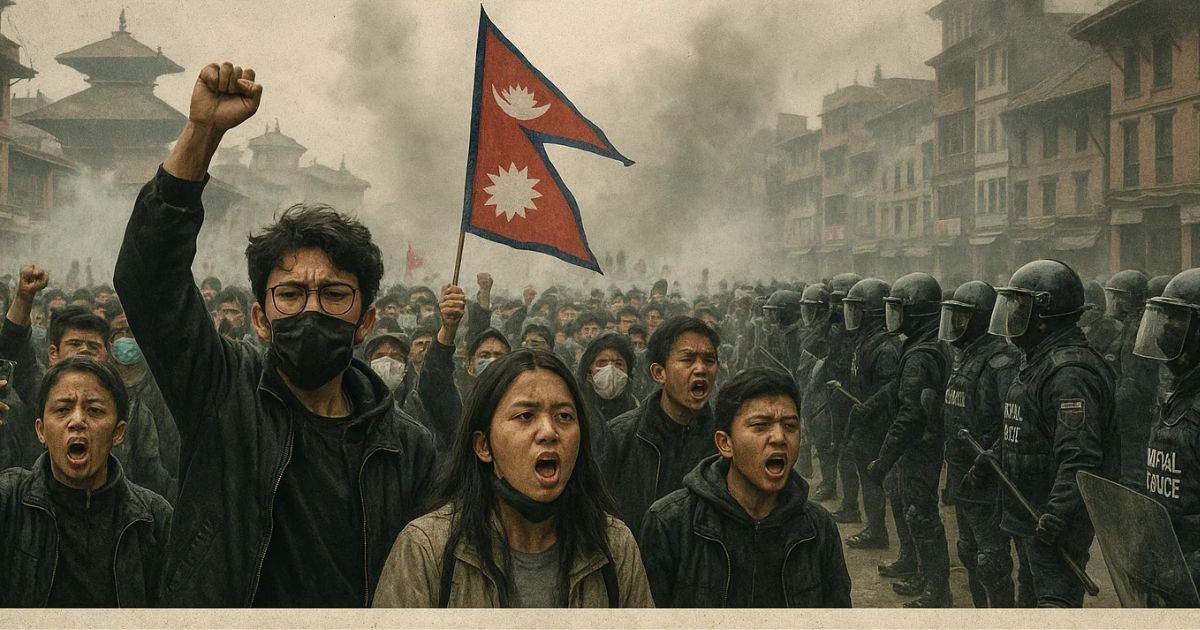
Nestled in the Himalayas, Nepal has long grappled with political instability, economic challenges, and natural disasters. In September 2025, the nation erupted into one of its most intense periods of civil unrest, driven by a youth-led movement against corruption and government overreach. What began as a student protest at Tribhuvan University escalated into deadly clashes, the storming of parliament, and the resignation of Prime Minister K.P. Sharma Oli. Known as the “Gen Z Protest,” this uprising reflects deep frustrations with systemic corruption, unemployment, and a political elite seen as out of touch. This article reconstructs the chain of events using verified reports from international news outlets, social media accounts, and official statements, providing a factual and chronological overview of a crisis that has claimed at least 19 lives and injured over 347 people as of September 9, 2025.
Table of Contents
Background: A Nation on Edge
Nepal’s transition to a federal republic in 2008, following a decade-long civil war and the abolition of the monarchy, promised stability but delivered frequent government changes. Over a dozen prime ministers have held office in 15 years, with K.P. Sharma Oli, leader of the Communist Party of Nepal (Unified Marxist-Leninist), taking power in July 2024. His administration faced immediate criticism for alleged corruption, including scandals in public procurement and foreign aid mismanagement.
Economic woes compounded public discontent. Youth unemployment stands at 19%, worsened by the COVID-19 pandemic’s impact on Nepal’s tourism-driven economy. The country’s Gen Z population, over 40% of its 30 million citizens, has increasingly used social media to highlight inequality, lack of opportunity, and favoritism toward political elites. A key trigger for the unrest was the government’s August 2025 proposal to regulate social media platforms under the guise of curbing misinformation. Critics saw this as an attempt to suppress dissent, particularly after viral posts exposed alleged nepotism in university admissions and public sector jobs.
The Spark: Protests Ignite
Early September 2025: Student-Led Demonstrations
On September 1, 2025, protests began at Tribhuvan University in Kathmandu, Nepal’s largest academic institution. Students, organized under groups like the “Youth Against Corruption” collective, rallied against a reported scandal involving preferential treatment for government officials’ relatives in scholarships and placements. The initially peaceful sit-in turned volatile when police used tear gas, injuring dozens. Videos of the crackdown spread rapidly online, fueling outrage and drawing thousands to the streets in Kathmandu, Pokhara, and Biratnagar by September 3.
Demonstrators demanded an independent investigation into corruption and the withdrawal of the social media bill. On September 5, the government announced a partial shutdown of platforms like Facebook, X, and TikTok, effective September 7, to limit “inflammatory content.” This decision backfired, intensifying accusations of authoritarianism. Internet blackouts lasting up to 12 hours daily in major cities sparked international criticism from organizations like Amnesty International. Posts on X captured the mood, with one user describing the protests as “a boiling point for years of neglect.” Viral videos showed students blocking highways, chanting “Corruption kills Nepal,” causing economic disruptions estimated at $50 million in lost trade.
Escalation: Violence and Curfews
September 6-7, 2025: Clashes Turn Deadly
By September 6, protests had grown to tens of thousands, prompting the government to impose curfews in Kathmandu Valley. Police deployed rubber bullets and water cannons, but reports emerged of live ammunition being used. On September 7, a 19-year-old student was killed by gunfire near Singha Durbar, the government secretariat, bringing the death toll to five. Hospitals in Kathmandu reported treating over 200 injured protesters, many with gunshot wounds.
For the first time since natural disaster responses, the military was deployed on September 7 under the Armed Police Force Act. Defiant protesters torched vehicles belonging to ruling party officials, and in Lalitpur, a senior minister’s home was set ablaze. Unconfirmed reports suggested politicians fled in armored convoys. The UN High Commissioner for Human Rights condemned the excessive force and urged dialogue. Social media footage, despite restrictions, showed protesters hurling stones at riot shields and police detaining demonstrators in unmarked vans. By the evening of September 7, the death toll reached 12, with over 200 arrests. International outlets like Al Jazeera and BBC noted the generational divide, with most protesters being under 25 and many first-time activists mobilized online.
Climax: Parliament Stormed, Oli Resigns
September 8-9, 2025: A Nation in Chaos
On September 8, thousands of protesters breached security barriers at the Federal Parliament in Kathmandu, defying a nationwide curfew. They stormed the building, setting fire to parts of the structure and effigies of political leaders. Live streams on X showed flames engulfing the iconic parliament, a symbol of Nepal’s democracy. The violence claimed seven more lives, including two police officers, raising the death toll to 19.
Prime Minister Oli addressed the nation on state television, blaming “foreign-backed agitators” for the unrest, a claim echoed by government and media. Coalition partners, fearing collapse, reportedly pressured Oli to step down. Late on September 8, reports emerged of his inner circle retreating to secure locations. On September 9, as protests continued and smoke rose from parliament, Oli resigned, citing “unprecedented circumstances” in a statement to President Ram Chandra Paudel. Protesters cautiously welcomed the move but vowed to persist until systemic reforms were implemented. Curfews were partially lifted, though internet restrictions continued, sparking further clashes.
Unverified reports of a politician’s relative being burned during the unrest circulated online, though these remain under investigation, highlighting the intensity of public anger.
Aftermath: A Fragile Path Forward
As of September 10, 2025, Nepal remains volatile. The Nepal Police report 19 deaths and 347 injuries, with hospitals like Bir Hospital in Kathmandu declaring emergencies to treat victims with fractures, burns, and gunshot wounds. The economic toll includes a 3% depreciation of the Nepali Rupee and halted tourism and trade. Internationally, the U.S. offered mediation, while India and China expressed concerns over border stability. The UN called for an independent inquiry into the crackdown, citing potential human rights violations. On X, the hashtag #NepalGenZProtest trended globally, drawing parallels to uprisings in Hong Kong and Myanmar.
President Paudel is expected to appoint an interim prime minister, possibly from the opposition Nepali Congress, within days. Protesters demand the dissolution of parliament, early elections, and anti-corruption laws. However, with the military still deployed and internet access limited, tensions persist.
Analysis: A Generational Reckoning
The 2025 uprising is rooted in more than corruption; it reflects a generational demand for systemic change. Nepal’s Gen Z, leveraging platforms like X and TikTok, has harnessed digital activism to challenge a stagnant political system. Allegations of foreign influence, from U.S. NGOs to Chinese interests tied to Belt and Road projects, add complexity. The crisis may reshape Nepal’s democracy, but with significant human and economic costs. Whether this movement sparks lasting reform or succumbs to Nepal’s cycle of instability remains uncertain.