The Hypocrisy of Selective Outrage in “Alliance”: Why Kunal Kemmu Failed Kushal Tandon and What It Reveals About the Show
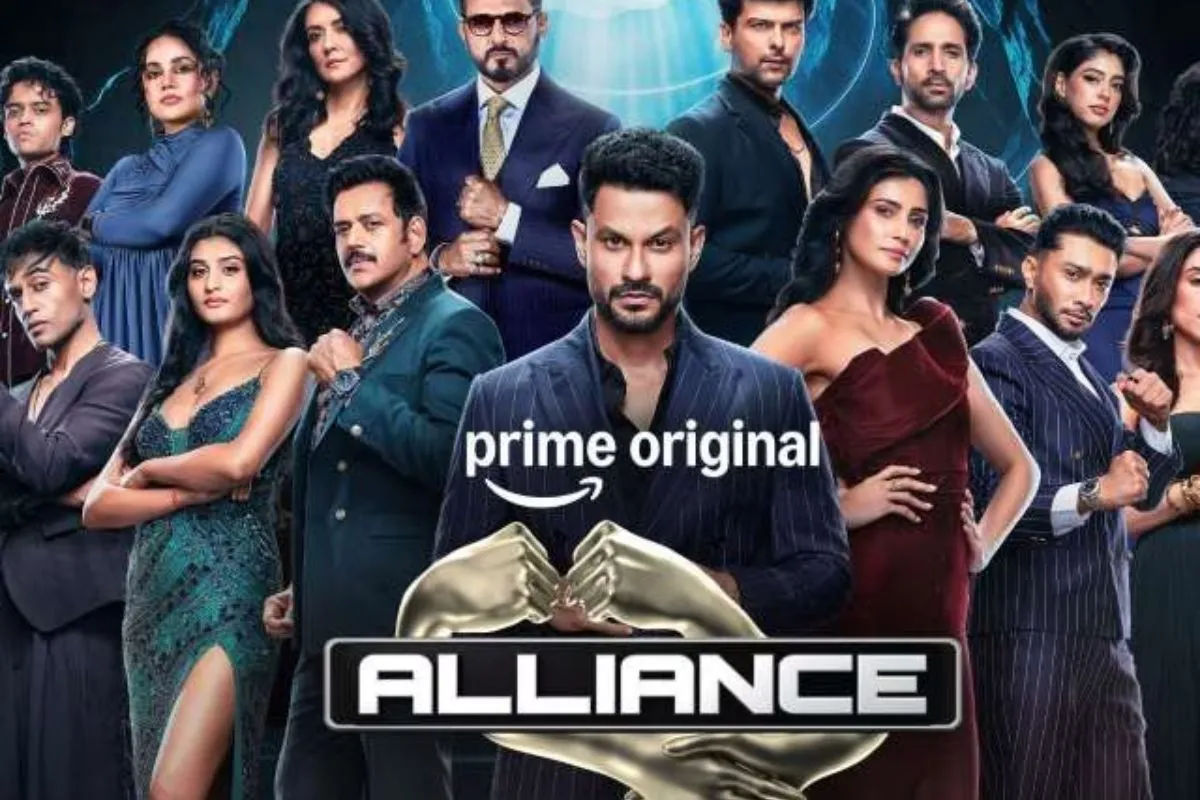
In the high-stakes, claustrophobic world of Prime Video’s Alliance, where alliances shift faster than the underground bunker’s lights flicker, one thing has become painfully clear: authenticity is punished, while performative venom is rewarded. The latest episodes have crystallized a frustrating pattern of selective calling-out, class and personality divides, and outright mental warfare that has left viewers like me rooting hard for Kushal Tandon while questioning the fairness of the game and its host.
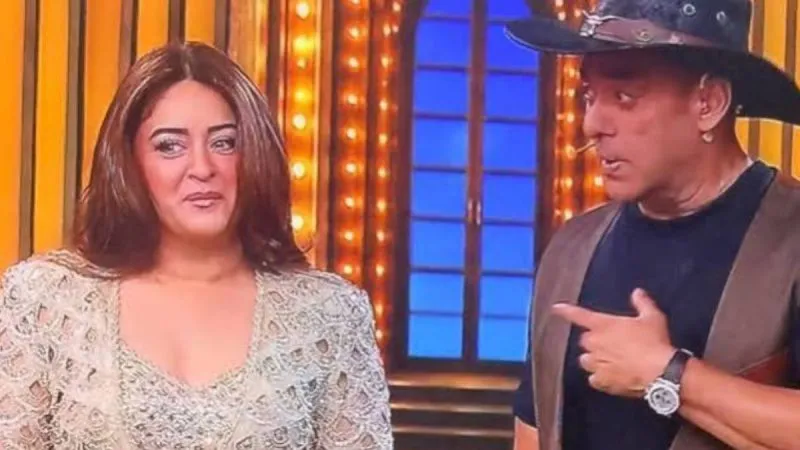
Kunal Kemmu, in his hosting debut, positioned himself as the stern arbitrator of Kunal Lok. Yet in the recent fiasco, he zeroed in on Kushal’s reaction while conveniently glossing over what Vanshaj said or did to provoke it. This isn’t balanced hosting—it’s whataboutery at its finest. The principle should be simple: judge the instigator as harshly as the reactor. If someone lights the fuse, they don’t get a free pass just because the explosion came from the other side. Whosoever is good to your face matters, but the undercurrents of genuine emotion reveal character far more than polished facades. Smile and say “fuck you” if you must—that’s human. But mincing words while seething with arrogance or rudeness, all while pretending to be the victim? That’s the real toxicity.
Influencers vs. Actors: The Class and Decency Divide
There’s an undeniable chasm between the influencers (Payal, Vridhi, Bali, and now the likes of Vanshaj) and the more established actors or personalities like Sohail Khan, Seema, Mini Mathur, and Nikhil Chinapa. The former group often stoops to despicable language and personal attacks that make viewing uncomfortable. Their style—raw, unfiltered, and frequently vulgar—resonates deeply with a certain Gen Z audience outside the show. And that’s telling. We cheer for, aspire to, or see ourselves in the people we support. If masses love the constant mud-slinging and low blows, it reflects a cultural tolerance for that behavior in everyday life.
Contrast that with the dignity displayed by Sohail, Seema, Mini, and Nikhil during the last episode’s chaos. They didn’t need to drag Vanshaj down to extend kindness or fairness to Kushal. They remained upright, composed, and principled. Mini’s decision to give up her codes for Nikhil stands out as a beacon of true friendship amid betrayal. That’s class—both in the social sense and the moral one. The “classes” in this game aren’t just here to win through strategy; they carry themselves with manners that the “masses” faction seems to resent. It’s a classic divide: aspiration toward elevation versus celebration of the gutter.
Vanshaj may have started the confrontation, but even if we accept the narrative that Kushal can be blunt or “bully-like,” two wrongs don’t make a right. Selective enforcement only breeds resentment.
The Betrayal That Hurts Most: Arsalan, Aly, and the Mental Toll
The treatment of Kushal Tandon has been particularly hard to watch. Repeated attempts at peace with Arsalan Goni, only to be stabbed in the back once Aly (his brother) entered the fray? That’s brutal. Aly’s history—famously dismantling Jasmine’s game in Bigg Boss—seems to repeat here, now pulling Arsalan into manipulative territory. Arsalan spewing venom against someone who reached out multiple times feels especially cruel. In a game of shifting alliances, we all crave at least one reliable person on our side. Kushal thought he had that in Arsalan. The emotional toll of that realization would break anyone.
As a viewer, I feel genuine sympathy for Kushal. The next episode’s bed-shifting drama—everyone pulling out beds in a nasty display of exclusion—was plain cruel. It wasn’t strategy; it was schoolyard bullying amplified by cameras. Aly’s role as the sly instigator everywhere, defending aggressive players like Agu while labeling Kushal as having “attitude,” exposes double standards. Aly defending “this is just how he talks” for his allies but calling out Kushal reeks of tactical hypocrisy. His camera-facing threat to Kushal was a low point.
The makers themselves seem to have it in for Kushal. Every promo revolves around him—he is the central character, the one driving narrative tension with his innate swag. Sohail Khan rightly pointed it out: Kushal possesses that effortless charisma, that unapologetic presence akin to Salman Khan or Sanjay Dutt. It’s not willful arrogance; it’s natural star power. Yet that very magnetism makes him a target for editing, group targeting, and biased scrutiny.
Double Standards and the Game’s Ugly Underbelly
Remember the voting? Friends voting out Armaan was one thing, but when Rivva did something similar with Dolly, she was painted as evil. Payal’s double-faced gaming and Niti Taylor’s maneuvers get softer treatment, while Agu’s aggression and revengefulness are excused. Aly positioning himself as the light-stealer from his own brother says volumes about his priorities.
Kushal fares better than most in terms of authenticity. His attitude, for all the complaints, stems from a place of directness in a house full of backstabbers. The mental torture—constant targeting, and betrayal by someone he trusted—highlights how uneven the playing field feels.
Final Take: Authenticity Should Win
Alliance has the ingredients of a gripping show: strategy, betrayal, daily drama in a bunker setting. But its handling of personalities risks rewarding the loudest stoopers and punishing those with natural edge. Kunal Kemmu has the platform to be an even-handed host—calling out instigators like Vanshaj with the same energy as reactors like Kushal would go a long way. Otherwise, it’s just another reality show where “class” loses to volume, and genuine swag is misconstrued as attitude.
Kushal Tandon remains the magnetic core of this season. Whether the game honors dignity, friendship (shoutout again to Mini and Nikhil), or descends fully into venomous chaos will define its legacy. As viewers, we see ourselves in these contestants. I’d rather aspire to the upright resilience Kushal shows amid the storm than the easy cruelty of those quick to spew and shift beds.
In the end, be real. Say it with your chest if you feel it. The mincing teeth and selective outrage? That’s what truly erodes alliances—not strong personalities, but weak principles. Keep watching, but call out the hypocrisy. Kushal’s swag might just outlast the noise.