Rath Yatra Puri Festival Guide Significance Travel Tips
When Faith Takes Form and Begins to Move
There are moments in India where devotion is not confined to temples or rituals. It spills into the streets, gathers people across distances, and becomes a force that is both visible and deeply felt.
The Rath Yatra in Puri is one such moment. It is not just a festival. It is movement. It is participation. It is belief made tangible.
Among the many summer festivals in India, Rath Yatra stands apart because it transforms an entire city into a living expression of faith.
What Is Rath Yatra
Rath Yatra is one of the most significant Hindu festivals, celebrated in the coastal city of Puri in Odisha. It is dedicated to Jagannath, along with his siblings Balabhadra and Subhadra.
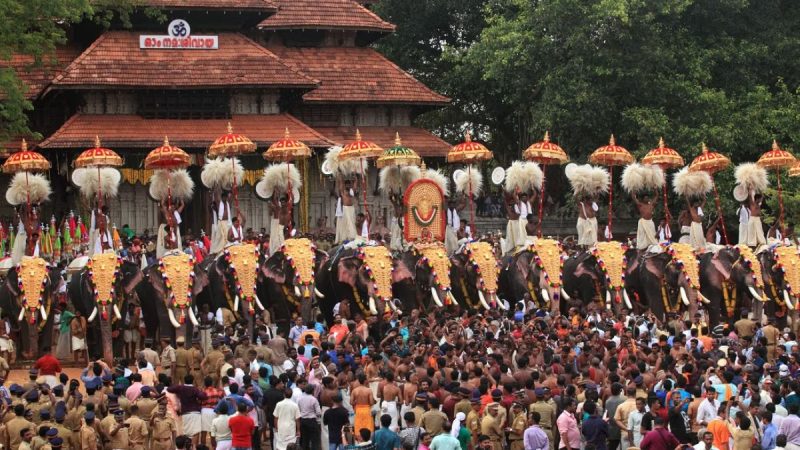
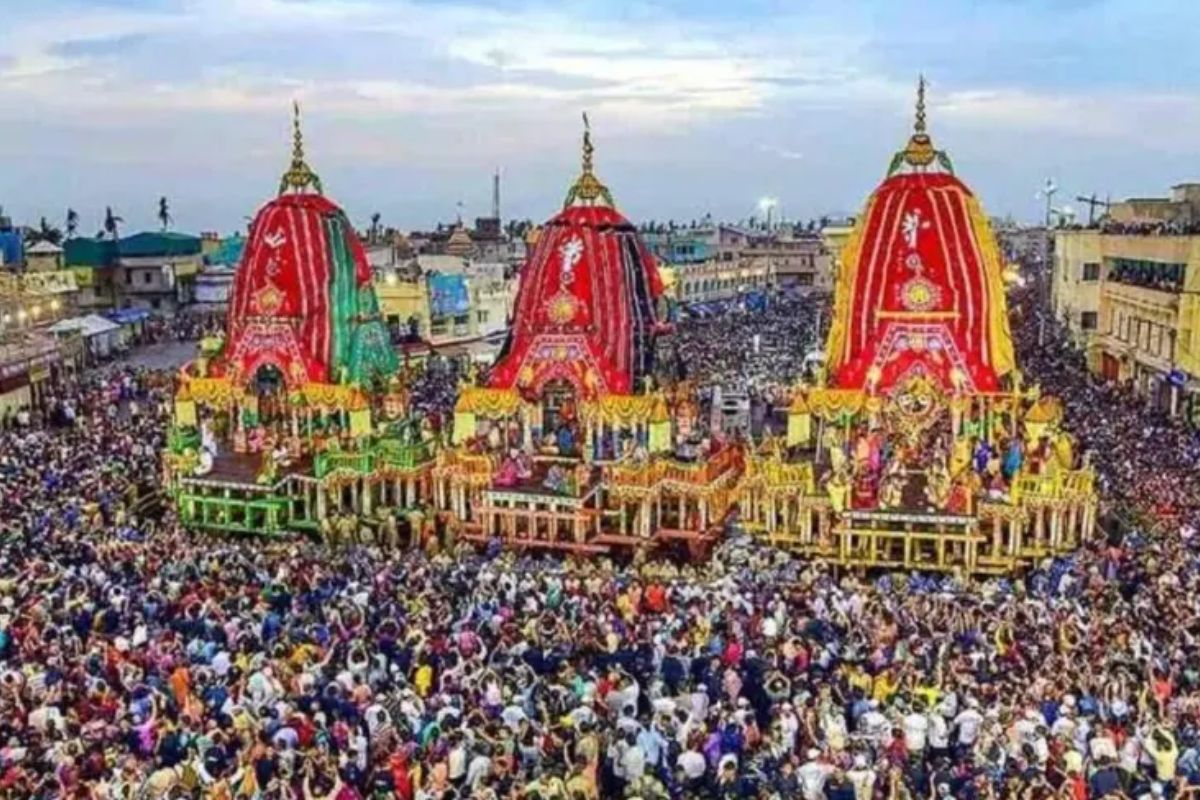
During the festival, the deities are brought out of the temple and placed on massive wooden chariots. These chariots are then pulled through the streets by thousands of devotees.
This act is not symbolic. It is participatory. Anyone can join. Anyone can pull the ropes.
That is what makes Rath Yatra powerful. It removes distance between the divine and the devotee.
The Chariots: Engineering, Devotion, and Scale


One of the most striking aspects of Rath Yatra is the scale of the chariots.
Each year, new chariots are constructed using traditional methods. They are massive, intricate, and visually commanding.
When they begin to move, pulled by thousands of hands, the energy shifts. The crowd becomes part of the ritual.
It is not just about watching. It is about becoming involved.
A Festival That Belongs to Everyone
Unlike many temple rituals that have boundaries, Rath Yatra is open.
The deities step out of the sanctum and into public space.
This movement carries meaning. It reflects the idea that the divine is not distant or restricted. It is accessible. It meets people where they are.
This openness is what draws millions every year.
The Energy of the Crowd
To experience Rath Yatra is to experience collective energy at its peak.
The chants, the movement, the intensity of devotion create an atmosphere that is difficult to describe.
There is chaos, but there is also rhythm. There is noise, but there is also focus.
For many, this is not just a festival. It is an emotional and spiritual moment.
The Route and the Ritual
The chariots move from the Jagannath Temple to the Gundicha Temple, which is considered the temporary abode of the deities during the festival.
This journey, though physical, carries symbolic meaning. It represents transition, movement, and the cyclical nature of life and devotion.
The return journey, known as Bahuda Yatra, completes the cycle.
Experiencing Rath Yatra Today
Attending Rath Yatra requires preparation. The crowds are massive, and the weather is intense.
Early arrival is essential. Staying hydrated and wearing comfortable clothing is important.
Despite the challenges, the experience remains unmatched.
For a broader understanding of seasonal celebrations, explore our complete guide on
👉 summer festivals in India
A Festival That Leaves an Impact
Rath Yatra is not just about devotion. It is about connection.
It connects people to faith, to tradition, and to each other.
It reminds you that sometimes, belief is not quiet. Sometimes, it moves, gathers, and transforms everything around it.
And when it does, it becomes something you do not just witness, but carry with you long after it ends.
FAQs
Where is Rath Yatra celebrated
It is primarily celebrated in Puri, Odisha, but also observed in other parts of India and globally.
What is the significance of Rath Yatra
It represents the journey of Lord Jagannath and symbolizes accessibility of the divine to all.
When does Rath Yatra take place
It usually takes place in June or July.
Is Rath Yatra safe to attend
Yes, but due to large crowds, it is important to stay cautious and prepared.