
I Tried This Viral Habit for 30 Days. The Results Shocked Me
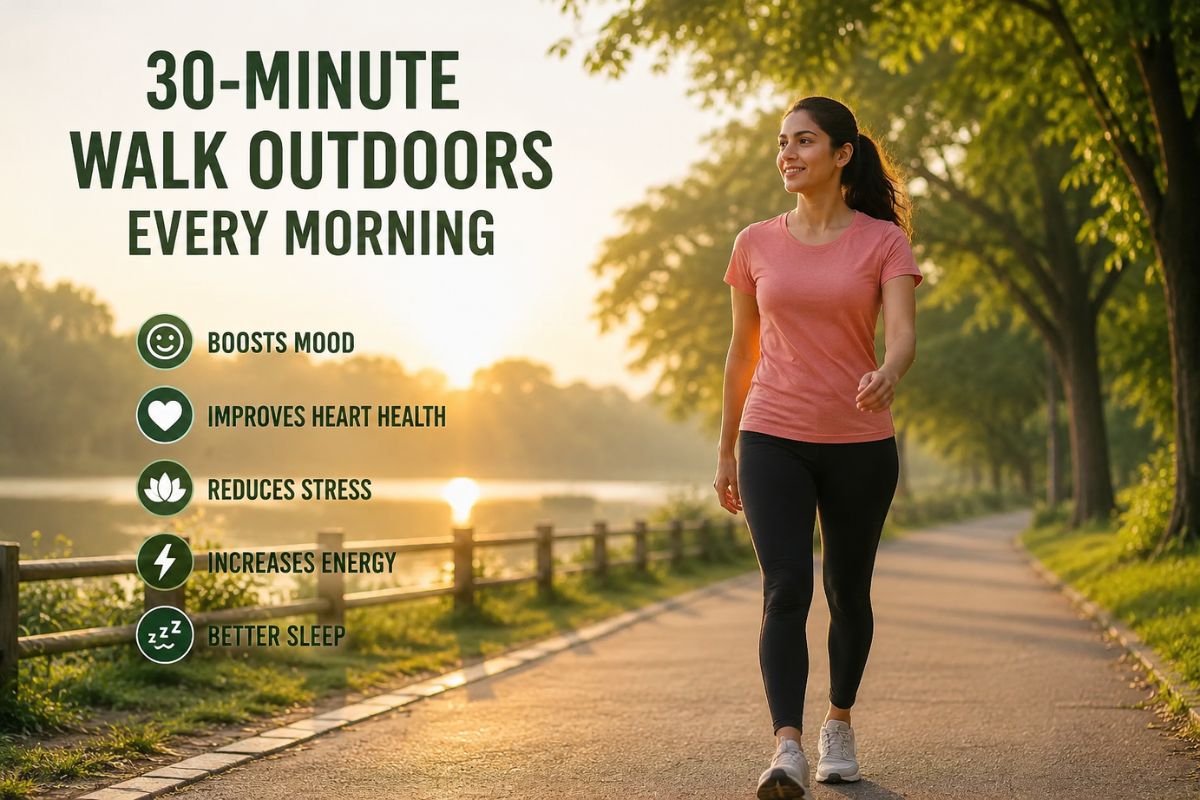
Could one small daily habit really improve energy, mood, focus, and sleep? After seeing countless influencers, wellness coaches, and even doctors talk about the benefits of a daily morning walk, I decided to stop scrolling and start walking.
For 30 days, I committed to taking a 30-minute walk outdoors every morning, preferably within an hour of waking up. No expensive supplements. No complicated routines. No fancy fitness trackers. Just comfortable shoes and consistency.
I expected very little.
What happened surprised me.
Why I Chose This Habit
Every week, a new wellness trend seems to take over social media. Cold plunges. Mouth taping. Dopamine detoxes. Cortisol cocktails.
But morning walking kept appearing again and again.
Unlike many viral habits, this one actually has scientific backing.
Research has consistently linked regular walking with:
- Better cardiovascular health
- Improved insulin sensitivity
- Lower stress levels
- Enhanced mood
- Better sleep quality
- Reduced risk of chronic diseases
It seemed simple enough to test.
So I did.
My Rules
To keep things realistic, I followed only a few guidelines.
- Walk for 30 minutes every morning.
- No headphones for at least the first 10 minutes.
- Walk outdoors whenever possible.
- No checking emails or social media.
- No pressure to walk fast.
This wasn’t about burning calories.
It was about building a habit.
Week One: The Hardest Part Was Starting
The first few mornings were surprisingly difficult.
I didn’t want to get out of bed.
I kept negotiating with myself.
“Maybe tomorrow.”
“Ten minutes is enough.”
“It’s cloudy today.”
But once I stepped outside, something shifted.
The cool morning air felt refreshing.
The streets were quieter.
Birds were louder than traffic.
For the first time in months, my day wasn’t beginning with notifications.
What I noticed
- Slightly better mood
- Less morning anxiety
- No dramatic physical changes
Week Two: My Energy Started Changing
Around day 10, I realized I wasn’t reaching for coffee immediately after waking.
Instead of feeling groggy for hours, I felt alert much earlier.
Morning sunlight likely played a role.
Exposure to natural light soon after waking helps regulate the body’s internal clock, supporting healthier sleep-wake cycles and improving daytime alertness.
I also found myself drinking more water naturally because I returned home feeling refreshed.
Biggest surprise
Afternoon energy crashes became less frequent.
Week Three: My Mind Felt Quieter
This was the biggest unexpected benefit.
Walking without constant music or podcasts forced me to simply think.
Some mornings I reflected.
Some mornings I planned my work.
Other mornings I noticed flowers, clouds, dogs, or children cycling to school.
It sounds simple.
But modern life rarely gives us uninterrupted thinking time.
Walking became a form of meditation without trying to meditate.
Week Four: People Started Commenting
Around the fourth week, friends began asking questions.
“You seem happier.”
“You look fresh.”
“Did you change your skincare?”
I hadn’t.
My routine was exactly the same except for one habit.
I was sleeping better.
Stress felt more manageable.
I smiled more.
Sometimes the biggest transformation isn’t dramatic.
It’s subtle.
The Physical Changes
Did I suddenly lose 10 kilograms?
No.
Did I develop six-pack abs?
Definitely not.
But I did notice:
- Better posture
- More stamina
- Less stiffness
- Improved digestion
- More consistent energy
- Better sleep
- Fewer headaches
Small improvements added up.
The Mental Changes Were Even Bigger
This is where the experiment truly surprised me.
Instead of constantly feeling rushed, mornings felt intentional.
Instead of beginning the day reacting to everyone else’s messages, I started with my own thoughts.
The habit created a sense of control.
And that feeling carried through the day.
What Science Says
Walking is one of the most studied forms of exercise.
Research suggests regular brisk walking may:
- Improve heart health
- Lower blood pressure
- Support healthy blood sugar levels
- Reduce symptoms of anxiety and depression
- Improve memory and cognitive function
- Increase longevity
- Enhance sleep quality
Morning outdoor walks may offer additional benefits because exposure to daylight helps regulate circadian rhythms, which influence sleep, hormones, mood, and alertness.
While results vary from person to person, the evidence consistently supports walking as a beneficial habit for overall health.
The Unexpected Lessons
The biggest lesson wasn’t about fitness.
It was about consistency.
Most of us search for dramatic solutions.
But meaningful change often comes from doing ordinary things repeatedly.
Walking taught me that progress doesn’t always feel exciting.
Sometimes it feels peaceful.
What Didn’t Change
It’s important to be realistic.
Walking didn’t magically solve every problem.
I still had stressful workdays.
I still got tired.
I still procrastinated sometimes.
Healthy habits aren’t magic.
They’re foundations.
Would I Keep Doing It?
Absolutely.
Not because I expect miracles.
But because it made everyday life feel noticeably better.
Thirty minutes each morning became something I looked forward to instead of something I had to force myself to do.
That’s probably the strongest sign that a habit is worth keeping.
How You Can Try It
If you want to run your own 30-day experiment, keep it simple.
- Walk for 20 to 30 minutes.
- Go outside if possible.
- Avoid your phone during the walk.
- Focus on consistency rather than speed.
- Track how you feel, not just how far you walk.
Remember, you don’t need perfect conditions.
You just need to start.
Final Thoughts
The internet loves dramatic transformations, but real change often happens quietly. A simple morning walk didn’t completely reinvent my life, yet it improved enough small things that my days felt lighter, calmer, and more energetic.
Sometimes the habits that seem too ordinary to matter are the ones that make the biggest difference over time.
If you’ve been waiting for the perfect wellness trend, you may not need one. You might just need a comfortable pair of shoes and a commitment to show up for yourself every morning.
Frequently Asked Questions
What is the best habit to try for 30 days?
Walking, strength training, journaling, meditation, drinking more water, and improving sleep routines are all realistic habits that can produce noticeable benefits when practiced consistently.
How long does it take to build a new habit?
Research suggests habit formation varies widely depending on the individual and the behavior. Some habits may begin to feel automatic within a few weeks, while others take several months.
Is a 30-minute walk every day enough exercise?
For many adults, a brisk 30-minute walk contributes significantly toward recommended weekly physical activity, though individual needs vary based on age, health, and fitness goals.
Can walking improve mental health?
Regular walking has been associated with reduced stress, improved mood, lower anxiety, and better overall psychological well-being.
Do morning walks help with sleep?
Morning exposure to natural daylight can support a healthy circadian rhythm, which may improve sleep quality and help you fall asleep more easily at night.