
Is Sanatan Dharma Really in Danger? Let’s Figure It Out Step by Step
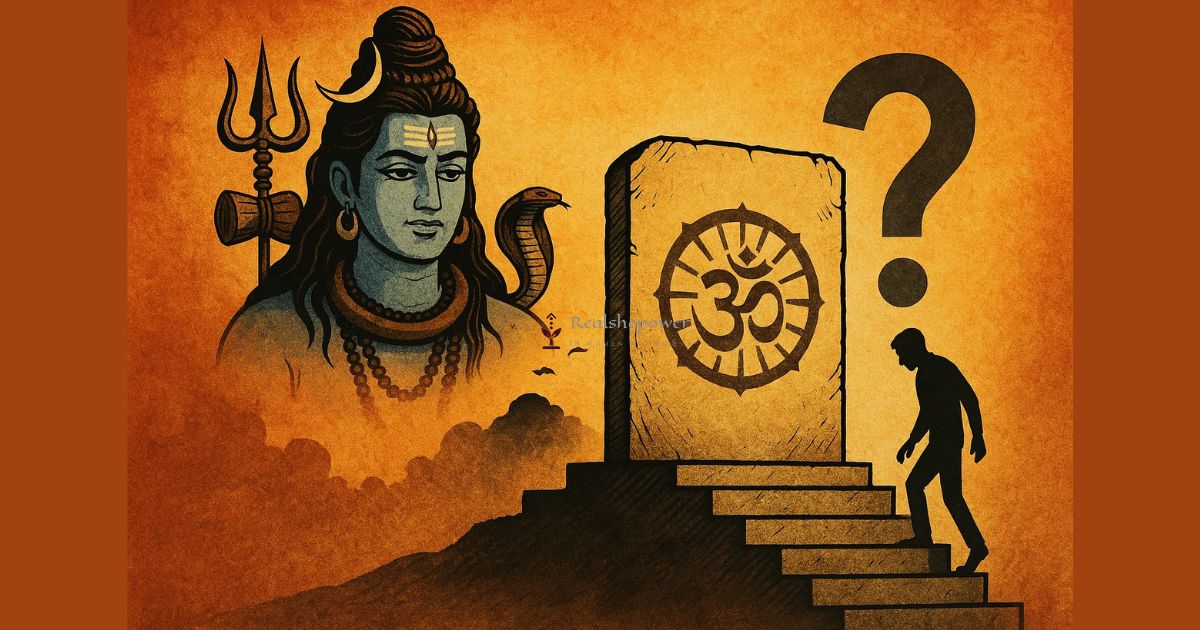
Sanatan Dharma often translated as the “eternal way” is one of the oldest spiritual and cultural frameworks in the world, underpinning much of what we know as Hinduism. With its sprawling tapestry of philosophies, rituals, and traditions, it has weathered invasions, colonial rule, and the churn of modernity for millennia. Yet, every so often, a chorus rises, claiming that Sanatan Dharma is under existential threat. Social media posts, fiery speeches, and WhatsApp forwards amplify the alarm: “Our way of life is in peril!” But is it? Let’s take a sharp, step-by-step dive into this question, sifting through evidence, instances, and a bit of wit to separate fact from frenzy. Buckle up, this is going to be a ride.
Step 1: Defining the “Danger”
To assess whether Sanatan Dharma is in danger, we first need to define what “danger” means. Is it the erasure of its practices? Dilution of its philosophies? Physical threats to its followers? Or perhaps a cultural drift toward irrelevance? The narrative of danger often hinges on emotional appeals rather than precise definitions, so let’s ground ourselves.
Sanatan Dharma is not a monolith. It encompasses everything from Advaita Vedanta’s cerebral non-dualism to the vibrant, idol-worshipping fervor of Durga Puja. It’s the Bhagavad Gita’s call to duty and the playful irreverence of a Holi festival. If it’s in danger, we need to ask: which part? The texts? The temples? The people? Or the idea itself?
The claim of danger often stems from three angles: external threats (like conversions or cultural invasions), internal decay (apathy among Hindus), and political weaponization (laws or policies seen as anti-Hindu). Let’s unpack each with evidence and a dash of skepticism.
Step 2: External Threats—Conversions and Cultural Erosion
One of the loudest arguments is that Sanatan Dharma faces a demographic threat from aggressive proselytization, particularly by Christianity and Islam. Missionaries offering rice bags or swords (metaphorically or otherwise) are often painted as villains eroding Hindu numbers. There’s some data to chew on here. According to the 2011 Census of India, Hindus make up 79.8% of the population (down from 80.5% in 2001), while Muslims grew from 13.4% to 14.2% and Christians from 2.3% to 2.3%. The decline in Hindu population share is marginal but real, sparking fears of a long-term slide.
Historical instances fuel this narrative. The missionary activities during British colonial rule, particularly in tribal areas, led to significant conversions. For example, in Nagaland, Christian missionaries converted over 90% of the population by the mid-20th century, often blending education and healthcare with religious outreach. Today, organizations like the Joshua Project track “unreached” Hindu communities, raising eyebrows about targeted conversions.
Then there’s the cultural angle. Globalization brings McDonald’s, Netflix, and a homogenized “world culture” that some argue dilutes traditional practices. Young Indians are more likely to know the lyrics to a Taylor Swift song than the meaning of a Vedic hymn. Bollywood’s secular love stories and urban India’s embrace of Valentine’s Day over traditional festivals are cited as evidence of a creeping Westernization that sidelines Sanatan Dharma.
But let’s pause. Is this really a “danger”? Sanatan Dharma has always absorbed and adapted. The Bhakti movement of the medieval period incorporated local deities into its fold, and even colonial-era reformers like Raja Ram Mohan Roy reshaped Hindu thought to counter missionary critiques. The data also shows resilience: India’s Hindu population grew in absolute terms from 827 million in 2001 to 966 million in 2011. Temples like Tirupati and Vaishno Devi continue to draw millions annually, and yoga, rooted in Sanatan Dharma, is a global phenomenon. If anything, the “eternal way” seems pretty good at bending without breaking.
Step 3: Internal Decay—Apathy and Ignorance
A more insidious threat, some argue, comes from within. Many Hindus, especially the urban elite, are accused of being disconnected from their roots. Sanskrit is a dying language, with only about 24,000 speakers in India per the 2011 Census. Traditional gurukuls are largely replaced by CBSE schools, and rituals are often performed mechanically, if at all. A 2019 Pew Research Center survey found that only 35% of Indian Hindus read religious texts regularly, compared to 65% of Muslims reading the Quran. The youth, it’s said, are too busy chasing startups or scrolling Instagram to care about the Upanishads.
This apathy is compounded by internal divisions. Caste conflicts, regional rivalries, and debates over “authentic” Hinduism—think of the Sabarimala temple entry controversy in 2018—fragment the community. When the Supreme Court allowed women of all ages to enter the temple, traditionalists cried foul, while progressives cheered. Such schisms weaken the collective identity, making Sanatan Dharma vulnerable to external critique or caricature.
Yet, there’s a counterpoint. The same youth accused of apathy are also driving a Hindu revival online. X is buzzing with handles sharing bite-sized insights into Dharma, often racking up thousands of likes. The Ram Mandir inauguration in Ayodhya in 2024 saw unprecedented participation, with millions watching live and donating crores. If apathy exists, so does a vibrant, modern reclamation of Sanatan Dharma, often in ways that resonate with the digital age.
Step 4: Political Weaponization—Laws and Narratives
The third prong of the “danger” narrative is political. Some claim that Sanatan Dharma is under siege by policies or ideologies that marginalize Hindus. The Waqf Act of 1995, which governs Muslim religious properties, is often cited as giving undue power to a minority community, while Hindu temples remain under government control in many states. For instance, the Tamil Nadu Hindu Religious and Charitable Endowments Department manages over 38,000 temples, often accused of siphoning funds for secular purposes. Compare this to the autonomy of Sikh gurdwaras or Christian churches, and the grievance feels tangible.
Then there’s the rhetoric. In 2023, a prominent South Indian politician’s remark that “Sanatan Dharma is like dengue, malaria, and needs to be eradicated” sparked outrage. Such statements, amplified by media, feed the perception that Hinduism is under ideological attack. Add to this the global narrative of “Hindu nationalism” as a pejorative, often pushed by Western outlets like The New York Times, and it’s easy to see why some feel targeted.
But let’s flip the coin. India’s current political landscape is dominated by a party explicitly championing Hindu causes. The revocation of Article 370, the push for a Uniform Civil Code, and the Citizenship Amendment Act are seen as pro-Hindu moves. The Ram Mandir verdict and its subsequent celebration were monumental victories for Hindu sentiment. If Sanatan Dharma is in danger, it’s hard to argue it’s politically orphaned. In fact, some critics argue the pendulum has swung too far, alienating minorities in the name of Hindu assertion.
Step 5: The Debate
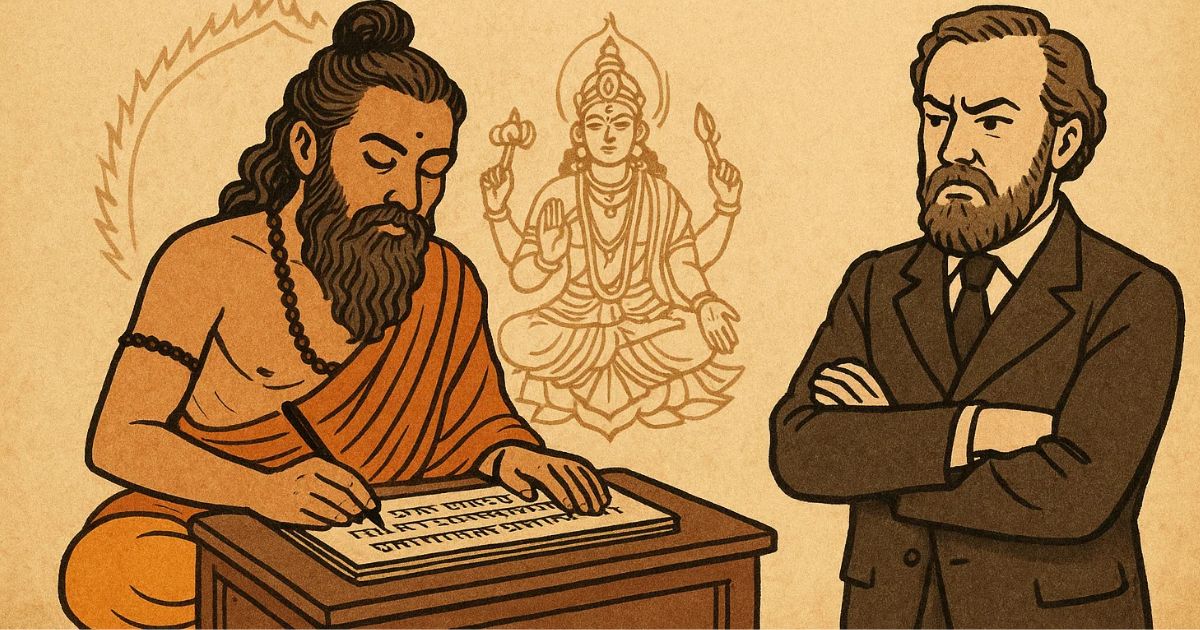
So, is Sanatan Dharma really in danger? Let’s channel our inner Hanuman and leap across the pros and cons with agility. On one hand, the evidence for danger is not baseless. Demographic shifts, however slow, are real. Cultural globalization dilutes traditional practices, and internal apathy especially among the urban youth poses a challenge. Political and ideological attacks, from inflammatory rhetoric to unequal laws, add fuel to the fire. Historical precedents, like the decline of Buddhism in medieval India, serve as a cautionary tale.
Yet, Sanatan Dharma’s resilience is undeniable. It has survived Alexander’s invasions, Mughal rule, British colonialism, and the post-Independence secular state. Today, it’s not just surviving but thriving in new forms be it through global yoga retreats, viral X threads, or packed temple festivals. The 2024 Kumbh Mela, expected to draw over 400 million people, is a testament to its enduring pull. Philosophically, Sanatan Dharma’s pluralism allows it to absorb critiques and evolve, unlike rigid dogmas that crumble under pressure.
The danger narrative often feels amplified by fearmongering, a tactic as old as politics itself. It’s worth asking: who benefits from portraying Sanatan Dharma as perpetually under threat? Politicians gain votes, influencers gain clicks, and communities rally around a shared siege mentality. But this can drown out the quieter truth: Sanatan Dharma is less a fragile artifact and more a living, breathing ecosystem that adapts to every age.
The Final Word
Sanatan Dharma isn’t a damsel in distress waiting for a savior. It’s a river sometimes turbulent, sometimes calm, but always flowing. Are there challenges? Sure. Conversions, apathy, and political games are real hurdles. But danger? That word feels too apocalyptic for a tradition that’s outlasted empires. The real task isn’t defending Sanatan Dharma but living it through knowledge, practice, and open-hearted debate. So, next time you hear it’s in peril, take a deep breath, chant a mantra, and ask: is it really? Or are we just addicted to the drama?
Editor’s Note: This piece aims to provoke thought, not preach. Sanatan Dharma’s future depends not on fear, but on how its followers choose to carry it forward. Let’s keep the conversation alive on social media, in temples, or over chai.