Pakistan’s Proxy War: The Human Cost of State-Sponsored Terrorism in India
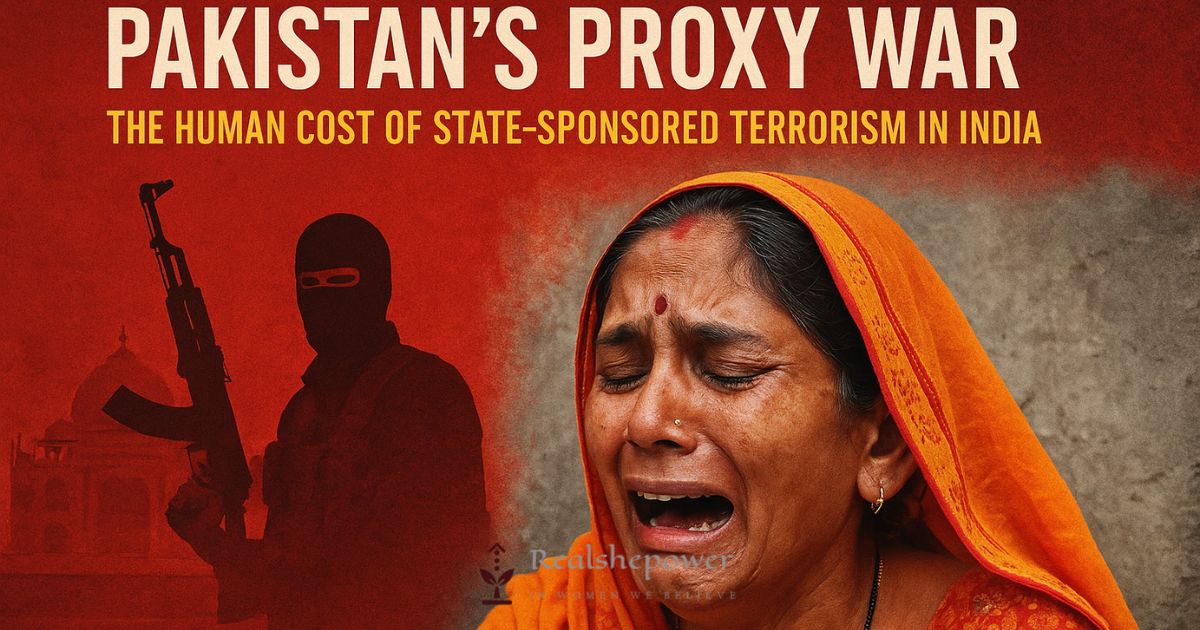
In April 2025, a brutal terrorist attack in Pahalgam, Jammu and Kashmir, claimed the lives of 26 Indian tourists, predominantly Hindus. The Resistance Front (TRF), a group linked to Pakistan-based Lashkar-e-Taiba (LeT), claimed responsibility. This incident is not isolated; it’s part of a deeply entrenched and systemic proxy war, carefully orchestrated by Pakistan’s military-intelligence apparatus to destabilize India through asymmetric warfare.
A Legacy of Terror: Pakistan’s Involvement in Attacks on Indian Civilians
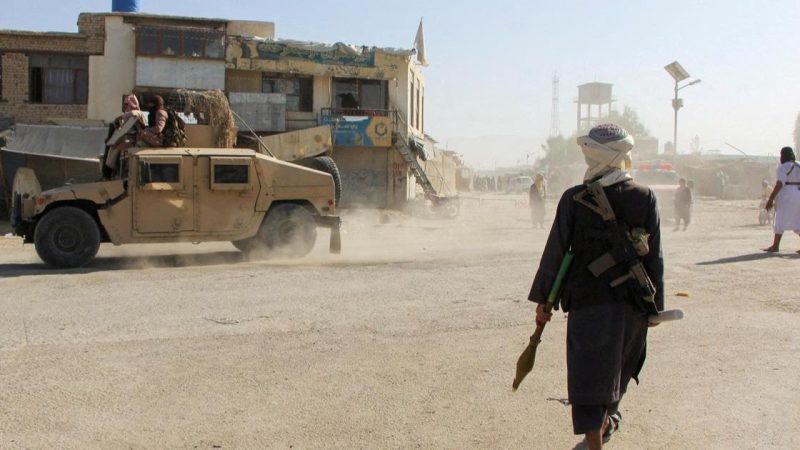
Pakistan’s use of terror as state policy against India is neither new nor hidden. From the Kargil conflict to cross-border infiltrations, Islamabad has relied on non-state actors as strategic assets. Notable attacks include:
- 1989–1990 Kashmir Insurgency: Initiated with Pakistan’s support, driving out the Kashmiri Pandit population through terror.
- 2001 Indian Parliament Attack: Carried out by LeT and Jaish-e-Mohammed (JeM), nearly bringing the two nations to war.
- 2008 Mumbai Attacks: Ten LeT operatives attacked major Mumbai landmarks, killing 166 people. Ajmal Kasab, the lone captured terrorist, revealed direct links to the ISI.
- 2016 Uri Attack: Militants attacked an Army camp, killing 19 soldiers. India responded with surgical strikes across the LoC — a turning point in counter-terrorism doctrine.
- 2019 Pulwama Attack: A suicide car bomb killed 40 CRPF personnel. The bomber was radicalized locally, but the operation was traced to JeM’s Pakistani handlers.
- 2023 Doda Ambush: Targeted Indian Army patrols in Jammu, signaling a resurgence of cross-border trained operatives.
These and countless smaller attacks reveal a disturbing consistency: Pakistan’s active role in funding, training, and harboring terrorists aimed at India’s civilian and military targets.
Read: Terror Attacks in India Since 1947: A Comprehensive Timeline and Analysis

The 2025 Pahalgam Attack: A New Low
The attack in Pahalgam struck at the heart of India’s domestic tourism and religious harmony. TRF terrorists opened fire on unarmed tourists, including women and children, sparking national outrage. Forensic and intelligence investigations confirmed cross-border handlers were involved, with communication trails leading to known Lashkar camps in Pakistan-occupied Kashmir.
One key suspect: Tahawwur Rana, previously convicted for involvement in the 2008 Mumbai attacks, was allegedly directing operations remotely. Pakistan, predictably, denied involvement. But intelligence intercepts and international agencies including Interpol point otherwise.
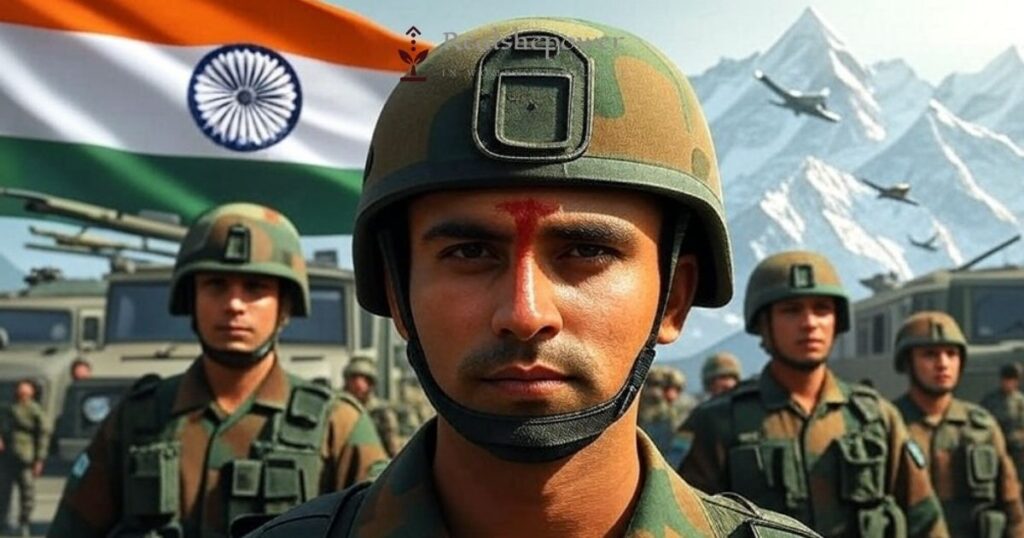
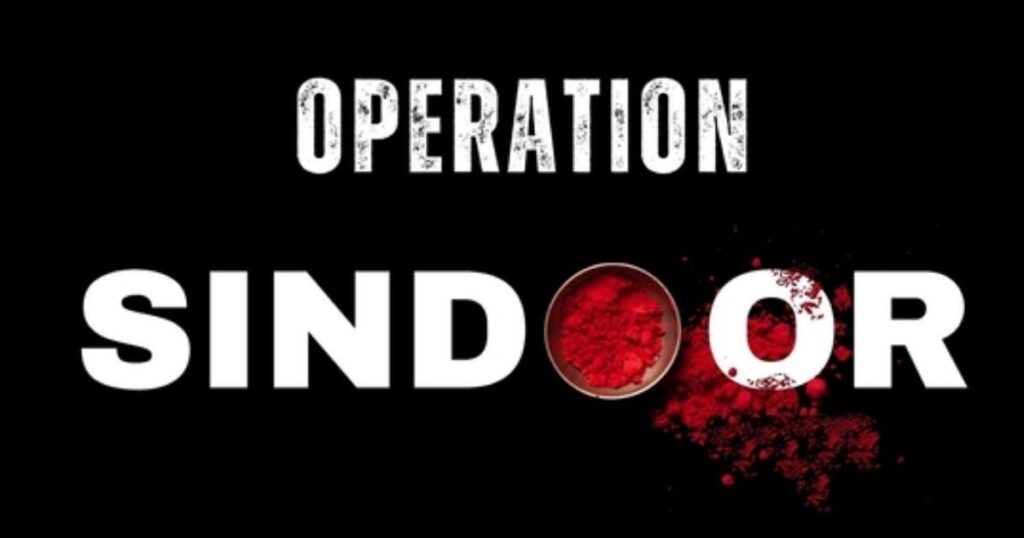
In retaliation, India launched Operation Sindoor, a multi-pronged military campaign targeting terror camps and infrastructure along the LoC. Pakistan responded with drone incursions, which India intercepted with targeted air defenses. While both nations claimed minimal casualties, the toll on civilians in border towns was undeniable.
Read: Operation Sindoor – India’s Decisive Strike Against Terrorism
Strategic Implications: The Real Cost of Proxy Wars
What Pakistan views as ‘strategic depth,’ India experiences as human loss—widows, orphans, broken homes, and a scarred national psyche. Proxy war allows Pakistan plausible deniability, but at what cost? Tens of thousands of Indians—Hindus, Sikhs, Muslims, and Christians—have died or been maimed by attacks originating from across the border.
The psychological warfare Pakistan unleashes isn’t just bullets—it’s fear, instability, and loss of trust. The persistent radicalization through social media, propaganda, and covert funding of separatists erodes peace from within.
India must respond not just militarily, but also diplomatically and economically:
- Diplomatic Isolation: Galvanizing global support to classify Pakistan as a state sponsor of terror.
- Economic Countermeasures: Revoking trade privileges, blocking aid, and lobbying international financial institutions.
- Information Warfare: Winning the narrative war by exposing the truth of Pakistani state complicity through global media.
A Call to Action: The World Must Choose
India does not want war, but it cannot remain passive as its citizens bleed. The world must decide—will it continue appeasing a nation whose soil births terrorism? Or will it stand for peace by calling out its violators?
For every Indian civilian killed, a family suffers irreparable damage. Behind every number is a name, a dream cut short, a life destroyed. It’s not just India’s war. It’s a battle for truth, for justice, and for the right to live free from fear.
This article seeks to awaken both national and international conscience toward Pakistan’s sustained terror machinery and urges collective resolve to dismantle it.
Pakistan’s Bloodstained Hands: Decades of Terror, Hindu Slaughter, and Why Operation Sindoor Is India’s Righteous Roar