A New Chapter for India’s Governance: PM Modi Inaugurates Seva Teerth and Kartavya Bhavan
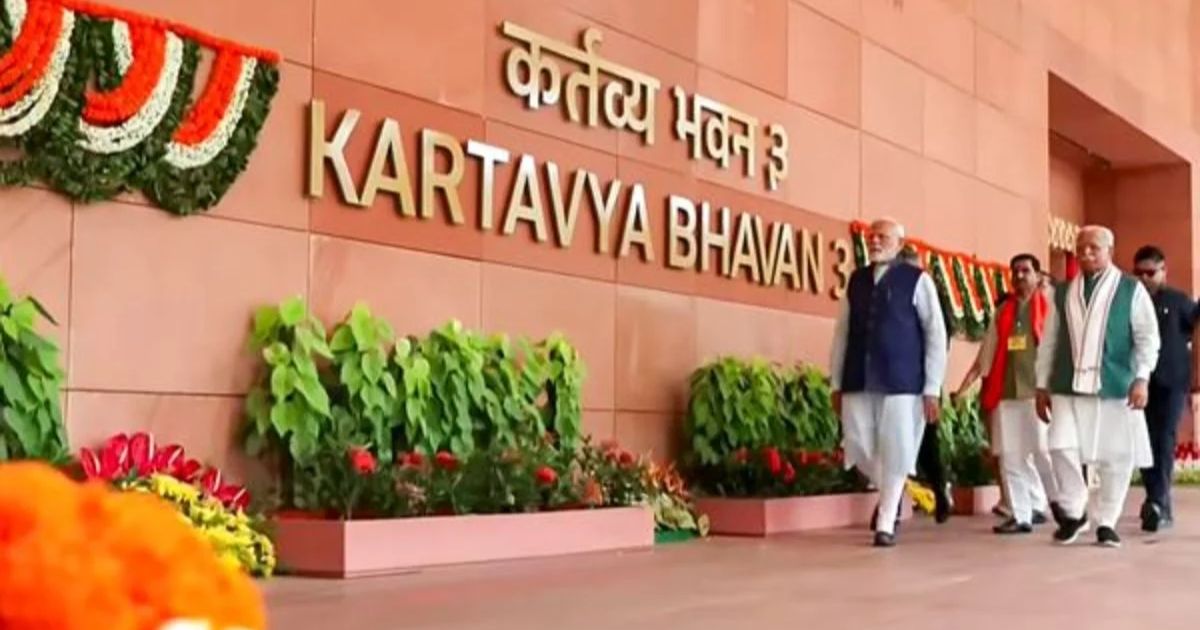
Today, February 13, 2026, marks a historic turning point in India’s administrative history. Prime Minister Narendra Modi is officially inaugurating Seva Teerth, the new Prime Minister’s Office (PMO), along with Kartavya Bhavan 1 and 2.
This move is more than just a change of address; it is the final step in vacating the British-era North and South Blocks, which have served as the seat of power for nearly a century. This transition represents a shift from colonial-era legacy to a modern, efficient, and future-ready governance model under the Viksit Bharat (Developed India) vision.
Moving from Legacy to Modernity
For decades, the Prime Minister’s Office and several key ministries operated out of the iconic North and South Blocks. While these buildings are architectural marvels, they were built in 1931 and were not designed for the digital age.
- Operational Challenges: Working out of fragmented, century-old buildings led to high maintenance costs and coordination difficulties between different departments.
- The Change: By moving to the new complexes, the government is consolidating its offices into a single, high-tech hub. This is designed to speed up decision-making and improve collaboration between the PMO, the Cabinet Secretariat, and the National Security Council.
What is ‘Seva Teerth’?
The name Seva Teerth translates to “a sacred place of service.” This naming reflects the government’s philosophy of Jan Seva (service to the people).
- The Complex: It consists of three main buildings. One houses the PMO, another the Cabinet Secretariat, and the third serves the National Security Council Secretariat.
- A Modern Workspace: Unlike the enclosed, rigid cabins of the old South Block, Seva Teerth features an open floor plan. This layout is intended to reduce hierarchy and encourage a more transparent and collaborative work culture among officials.
Kartavya Bhavan: A Hub for the People
Along with the PMO, PM Modi is inaugurating Kartavya Bhavan 1 and 2. These buildings will house major ministries including Finance, Defence, Health, and Education.
The shift to Kartavya Bhavan (meaning “House of Duty”) is a logistical feat. By bringing these ministries together in one area along the Kartavya Path (formerly Rajpath), the government is creating a Common Central Secretariat. This ensures that different wings of the government are no longer scattered across Delhi, saving time and resources.
Key Features of the New Infrastructure:
- Eco-Friendly Design: Both Seva Teerth and Kartavya Bhavan are built to 4-Star GRIHA standards, meaning they use renewable energy, advanced waste management, and water conservation systems.
- Digital Integration: Every office is “digitally ready,” equipped with the latest technology to support a paperless and secure working environment.
- Public Access: The buildings include structured zones for the public and visitors, making the government more accessible to the citizens it serves.
The End of a Colonial Era
The vacation of the North and South Blocks is deeply symbolic. For 77 years since independence, India’s top leadership worked within walls designed by British architects Edwin Lutyens and Herbert Baker to project imperial power.
By moving out, the government is “decolonizing” the administrative heart of the country. But these historic buildings won’t be forgotten. They are set to be converted into the Yuge Yugeen Bharat National Museum, a world-class facility that will showcase India’s 5,000-year-old civilization.
A Vision for ‘Viksit Bharat’
The inauguration today is a clear signal of India’s confidence. It balances the need for high-tech, efficient infrastructure with a cultural identity that is uniquely Indian. As the Prime Minister chairs the last Cabinet meeting in the South Block before moving to Seva Teerth, the message is clear: the focus is now on the future.
This new administrative hub is the engine room for the vision of a developed India by 2047. It provides the tools and the environment necessary for a modern nation to tackle global challenges with speed and transparency.