
Why Are Your Hands and Feet Swelling? The Real Reasons Women Must Know Now!
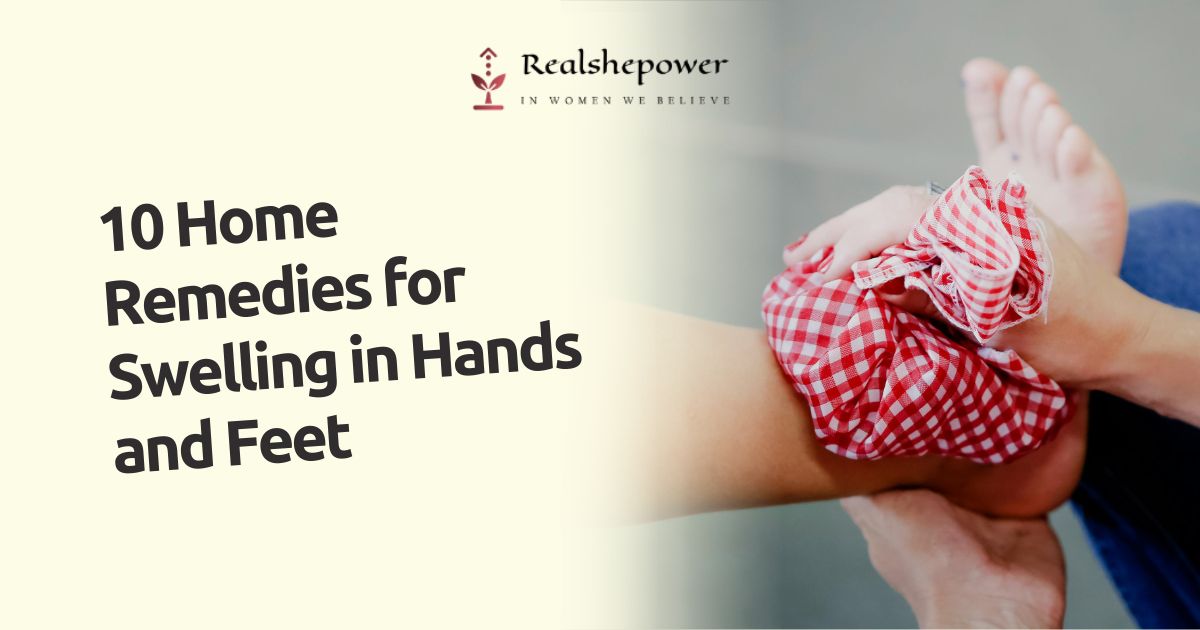
Swelling in the hands and feet, medically termed edema, is a common condition that many women experience at some point in their lives. It occurs when excess fluid accumulates in the tissues, causing puffiness or a bloated appearance. While it can be a minor annoyance for some, it may signal underlying health issues for others. This article explores the causes of swelling in hands and feet, particularly in women, and provides practical home remedies and lifestyle changes to manage and alleviate the condition.
What is Edema?
Edema is the accumulation of fluid in the body’s tissues, leading to swelling. It commonly affects the hands, feet, ankles, and legs but can occur in other areas as well. For women, swelling in these areas can be particularly bothersome due to hormonal fluctuations, pregnancy, or other gender-specific factors. While mild edema may resolve on its own, persistent or severe swelling may require medical attention. Understanding the root cause is key to effective management.

Common Causes of Swelling in Hands and Feet in Women
Swelling in the hands and feet can stem from a variety of causes, ranging from lifestyle factors to medical conditions. Below are some of the most common reasons women experience this issue:
1. Hormonal Changes
Women experience hormonal fluctuations during menstrual cycles, pregnancy, and menopause, which can lead to fluid retention. For example:
- Premenstrual Syndrome (PMS): Hormonal shifts before menstruation can cause bloating and mild swelling in the hands and feet.
- Pregnancy: Increased blood volume, pressure from the growing uterus, and hormonal changes during pregnancy often lead to swelling, especially in the later trimesters.
- Menopause: Hormonal imbalances during menopause can also contribute to fluid retention.
2. Prolonged Sitting or Standing
Sitting or standing for extended periods, such as during long flights, desk jobs, or standing-heavy occupations, can cause fluid to pool in the lower extremities, leading to swelling in the feet and ankles. This is particularly common for women who may wear tight shoes or clothing that restricts circulation.
3. Dietary Factors
A diet high in sodium (salt) can cause the body to retain water, leading to swelling. Processed foods, fast food, and salty snacks are common culprits. Additionally, dehydration can paradoxically cause the body to hold onto fluids, exacerbating edema.
4. Medications
Certain medications commonly prescribed to women can cause swelling as a side effect. These include:
- Birth control pills or hormone replacement therapy (HRT)
- Nonsteroidal anti-inflammatory drugs (NSAIDs) like ibuprofen
- Some antidepressants or blood pressure medications
5. Medical Conditions
Swelling can be a symptom of underlying health conditions, including:
- Lymphedema: A condition where the lymphatic system is blocked, causing fluid buildup, often in the arms or legs.
- Kidney or Liver Issues: Impaired kidney or liver function can disrupt fluid balance, leading to edema.
- Heart Conditions: Poor heart function can cause fluid to accumulate in the extremities.
- Venous Insufficiency: When veins struggle to pump blood back to the heart, fluid can pool in the legs and feet.
- Thyroid Disorders: Hypothyroidism, more common in women, can lead to fluid retention and swelling.

Git-up Women Diabetic Slippers
Perfect for diabetic, arthritis, or swollen feet. These extra wide memory foam slippers with an open toe and adjustable closure offer supreme comfort and support.
🛒 Buy on Amazon6. Injuries or Inflammation
Sprains, fractures, or infections in the hands or feet can cause localized swelling. Inflammatory conditions like arthritis, which disproportionately affect women, may also contribute.
7. Heat and Weather
Hot weather can cause blood vessels to dilate, leading to fluid leakage into tissues. This is especially noticeable in the hands and feet during summer months.
8. Pregnancy-Related Complications
In some cases, swelling during pregnancy can signal more serious conditions like preeclampsia, a condition characterized by high blood pressure and protein in the urine. This requires immediate medical attention.

three60+ RAPID PAIN RELIEF Roll On
Instant & long-lasting pain relief with powerful natural ingredients like Erandmool, Shallaki, Wintergreen Oil, and Nirgundi. Fast absorption, hands-free massage roll-on applicator—no mess, no fuss!
🛒 Buy on AmazonWhen to Seek Medical Attention
While mild swelling is often harmless, certain symptoms warrant a visit to a healthcare provider:
- Sudden or severe swelling in the hands, feet, or face
- Swelling accompanied by chest pain, shortness of breath, or confusion
- Swelling that persists for more than a few days
- Pain, redness, or warmth in the swollen area, which could indicate a blood clot or infection
- Swelling during pregnancy with symptoms like headaches, vision changes, or abdominal pain (possible signs of preeclampsia)
If you experience any of these, consult a doctor promptly to rule out serious conditions.
Home Remedies for Swelling in Hands and Feet
For mild to moderate swelling, several home remedies can help women manage and reduce discomfort. These remedies are natural, accessible, and often effective when used consistently.
1. Elevate Your Hands and Feet
Elevating the affected limbs above heart level helps reduce fluid buildup by encouraging drainage. For swollen feet, lie down and prop your legs up on pillows for 15–30 minutes several times a day. For swollen hands, raise them above your head or rest them on a high surface while sitting.
2. Stay Hydrated
Drinking plenty of water helps flush out excess sodium and toxins, reducing fluid retention. Aim for 8–10 glasses of water daily, and consider adding hydrating foods like cucumbers, watermelon, and celery to your diet.
3. Reduce Sodium Intake
Cutting back on salty foods can prevent water retention. Opt for fresh fruits, vegetables, and whole grains, and avoid processed foods like chips, canned soups, and deli meats. Flavor meals with herbs and spices instead of salt.
4. Exercise Regularly
Physical activity improves circulation and prevents fluid from pooling in the extremities. Low-impact exercises like walking, yoga, or swimming are excellent for women with swelling. Try ankle pumps or wrist rotations to stimulate blood flow in the hands and feet.
5. Compression Therapy
Wearing compression socks or gloves can help reduce swelling by applying gentle pressure to the affected areas. These are especially helpful for women who stand or sit for long periods or during pregnancy. Consult a doctor to ensure the right fit and pressure level.
6. Epsom Salt Soak
Soaking your hands or feet in warm water mixed with Epsom salt can reduce swelling and soothe discomfort. Add 1–2 cups of Epsom salt to a basin of warm water and soak for 15–20 minutes. The magnesium in Epsom salt may help draw out excess fluid.
7. Massage
Gently massaging the swollen areas can stimulate lymphatic drainage and improve circulation. Use a light, upward motion (toward the heart) with a natural oil like coconut or almond oil. Avoid pressing too hard, as this can worsen discomfort.
8. Cool Compress
Applying a cool compress or ice pack wrapped in a cloth can reduce swelling caused by heat or inflammation. Apply for 10–15 minutes at a time, ensuring not to place ice directly on the skin to avoid irritation.
9. Herbal Teas
Certain herbal teas, such as dandelion or parsley tea, have diuretic properties that help reduce fluid retention. Drink 1–2 cups daily, but consult a doctor if you’re pregnant or taking medications, as some herbs may interact with drugs.
10. Ginger and Turmeric
Both ginger and turmeric have anti-inflammatory properties that may help reduce swelling. Add fresh ginger or turmeric to meals, smoothies, or teas. A simple ginger tea can be made by steeping grated ginger in hot water with a touch of honey.
11. Avoid Tight Clothing and Accessories
Tight shoes, socks, rings, or bracelets can restrict blood flow and worsen swelling. Opt for loose, comfortable clothing and footwear with adequate support.
Lifestyle Tips for Preventing Swelling
In addition to home remedies, adopting certain lifestyle changes can help women prevent or minimize swelling:
- Maintain a Healthy Weight: Excess weight can put pressure on veins and increase fluid retention. A balanced diet and regular exercise can help.
- Limit Alcohol and Caffeine: Both can contribute to dehydration, which may worsen swelling.
- Take Breaks: If you sit or stand for long periods, take regular breaks to move around and stretch.
- Wear Supportive Shoes: Proper footwear with arch support can improve circulation and reduce swelling in the feet.
- Manage Stress: High stress levels can exacerbate hormonal imbalances and fluid retention. Practice relaxation techniques like meditation or deep breathing.
Special Considerations for Women
During Pregnancy
Swelling is common during pregnancy, but it’s important to monitor for signs of complications like preeclampsia. Avoid standing for long periods, stay hydrated, and wear compression stockings if recommended by your doctor. Gentle prenatal yoga can also help improve circulation.
During Menstruation
To manage PMS-related swelling, focus on a low-sodium diet, drink plenty of water, and consider magnesium supplements (consult a doctor first). Light exercise and warm baths can also help.
For Menopause
Hormonal changes during menopause can cause fluid retention. Maintain a healthy diet, stay active, and consider consulting a healthcare provider about hormone therapy if symptoms are severe.
Conclusion
Swelling in the hands and feet is a common issue for women, often caused by hormonal changes, lifestyle factors, or underlying medical conditions. While mild swelling can often be managed with simple home remedies like elevation, hydration, and Epsom salt soaks, persistent or severe swelling should be evaluated by a healthcare professional. By understanding the causes and adopting preventive measures, women can effectively manage edema and improve their overall comfort and well-being. Always listen to your body and seek medical advice when needed to ensure optimal health.