
Why Korean Glass Skin Damages Indian Skin (When Done Wrong)

(The Truth No Influencer Wants to Talk About)
Korean glass skin has become the gold standard of beauty on social media.
Glossy. Poreless. Almost translucent.
Indian women have spent years layering toners, essences, serums, and exfoliants trying to achieve it. Yet dermatology clinics across India are now seeing a sharp rise in damaged skin barriers, chronic sensitivity, acne flare-ups, and pigmentation especially among women who followed glass skin routines blindly.
The problem is not Korean skincare.
The problem is copying it without context.
Is Korean glass skin bad for Indian skin?
Korean glass skin is not inherently bad, but when done incorrectly it can damage Indian skin. Excessive layering, over-exfoliation, and using products unsuited to Indian climate and melanin levels often lead to barrier damage, acne, and pigmentation.
What Korean Glass Skin Actually Means (And What It Doesn’t)
Glass skin was never meant to mean:
- Daily exfoliation
- Ten new products every month
- Constant product switching
- Shiny, over-hydrated skin
Originally, it focused on:
- Gentle cleansing
- Barrier repair
- Hydration over actives
- Long-term consistency
The internet turned it into over-performance skincare.
MUST READ

5-Product Healing Routine for Indian Skin
Discover a carefully curated 5-product healing skincare routine tailored for Indian skin — nourishing, effective, and simple to follow.
Read Full Article →Why Indian Skin Is Structurally Different
Indian skin is not “worse” or “better” than Korean skin—it is different.
Key differences:
- Higher melanin content
- Stronger inflammatory response
- Greater pigmentation risk
- More oil production in humid climates
This means Indian skin reacts faster to:
- Over-exfoliation
- Strong actives
- Frequent product changes
What looks like glow on one skin type can become damage on another.
The Over-Exfoliation Problem Nobody Warned You About
One of the biggest issues with glass skin routines in India is exfoliation overload.
Many women unknowingly combine:
- Chemical exfoliating toners
- Acid serums
- Retinol
- Physical scrubs
This leads to:
- Thinning of the skin barrier
- Sensitivity
- Acne
- Hyperpigmentation
Dermatologists consistently warn that most Indian women exfoliate too often, not too little.
Climate Matters More Than Instagram Trends
Korean skincare evolved in:
- Cooler climates
- Lower UV exposure
- Lower pollution
Indian conditions include:
- Intense sun exposure
- High humidity
- Heavy pollution
- Sweat-induced irritation
Layering multiple hydrating products in Indian heat can trap sweat and bacteria, leading to breakouts and fungal acne.
This is why minimalist skincare routines often work better for Indian women than elaborate ones.
Don’t Miss

Heal Indian Skin After Brightening Damage
Discover how to restore and heal Indian skin after harsh brightening treatments — soothing routines, natural remedies, and gentle care tips for lasting recovery.
Read Full Article →The “Glow” That Is Actually Inflammation
Here’s an uncomfortable truth:
Some glass skin “glow” is actually mild inflammation.
Signs include:
- Persistent redness
- Burning sensation
- Sudden shine
- Tightness
Inflamed skin can look shiny temporarily but it is not healthy.
This is similar to why celebrity beauty works differently because calm, regulated skin heals instead of reacting.
Why Barrier Damage Is So Common Now
Skin barrier damage happens when:
- Too many actives are layered
- Cleansing is too harsh
- Recovery time is ignored
Once the barrier is damaged:
- Acne worsens
- Pigmentation deepens
- Skin becomes reactive to everything
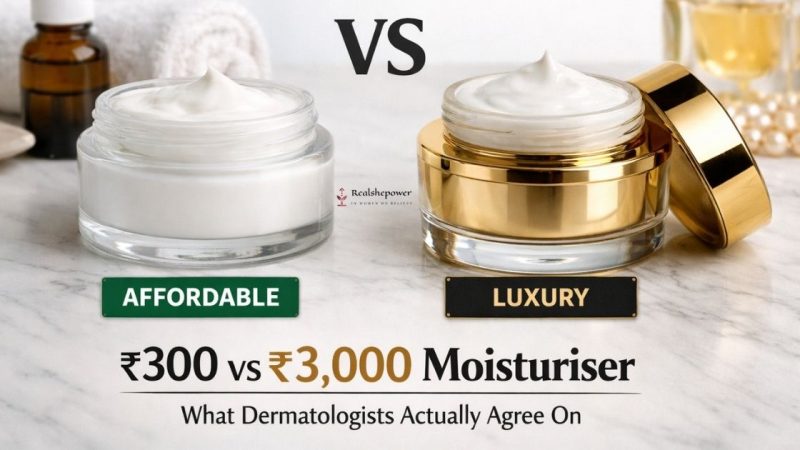
This is why dermatologists prioritise barrier repair over glow chasing, a point also echoed in the ₹300 vs ₹3,000 moisturiser debate ingredients and consistency matter more than trends.

What Indian Skin Actually Needs Instead of Glass Skin
Indian skin thrives on:
- Fewer products
- Gentle cleansing
- Consistent moisturising
- Daily sunscreen
- Low experimentation
Healthy skin looks:
- Even-toned
- Calm
- Comfortable
Not necessarily shiny.
This is exactly why Alia Bhatt’s no-makeup glow works—it reflects skin health, not surface shine.

The Psychological Pressure Behind Glass Skin
Glass skin is not just a skincare trend.
It is a performance standard.
Women feel pressured to:
- Look flawless
- Maintain “effortless” beauty
- Constantly optimise their appearance
This pressure often leads to overdoing skincare, which ironically damages skin further.
True beauty routines reduce stress—they don’t create it.
How to Do “Glass Skin” the Right Way (Indian Version)
If you still love the idea, adapt it—not abandon it.
Indian-safe glass skin principles:
- Cleanser → moisturiser → sunscreen (non-negotiable)
- One hydrating serum at night (optional)
- Exfoliation once a week max
- No new product testing during breakouts
- Rest days for skin
Glow should come from balance, not overload.
Final Thought
Korean glass skin is not the enemy.
Blind imitation is.
Indian skin does not need more products—it needs respect for its limits.
When women stop chasing viral routines and start listening to their skin, glow stops being fragile and starts being sustainable.
And sustainable always wins.







)