Empowering Women Through Homestays in Uttarakhand: A Path to Economic and Cultural Growth
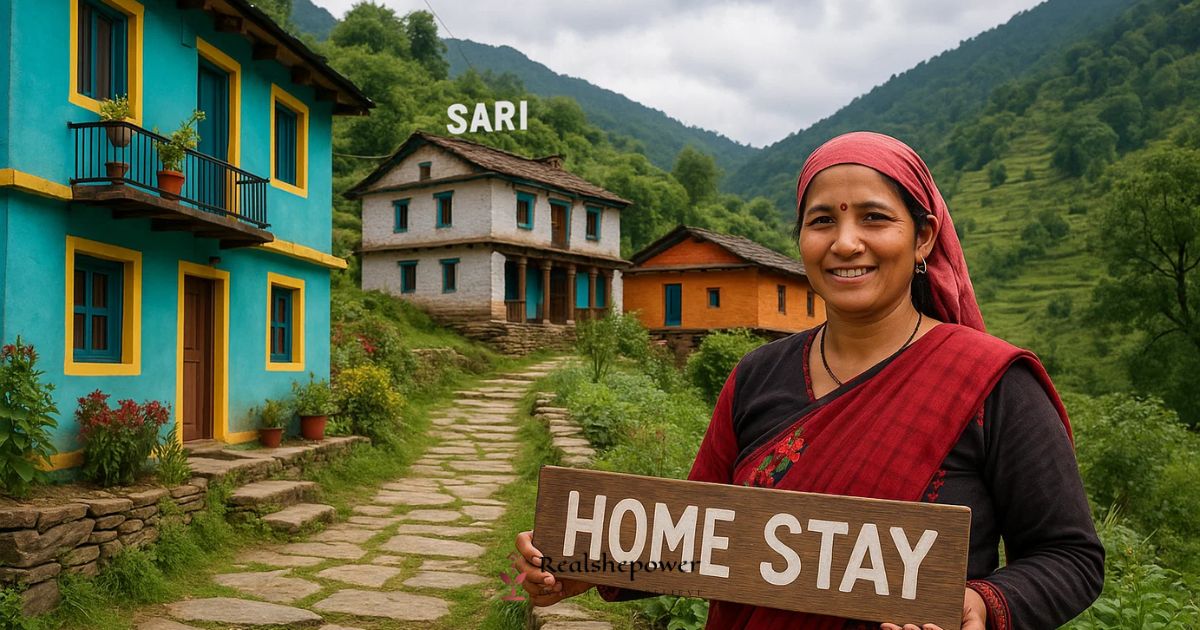
Homestays in Uttarakhand
The Uttarakhand government, under the leadership of Chief Minister Pushkar Singh Dhami, is taking significant steps to empower women through initiatives like the Deen Dayal Upadhyaya Homestay Vikas Yojana. This scheme is designed to promote homestays, particularly in rural areas, by providing financial incentives and comprehensive training to homestay operators. With a focus on fostering women’s participation in the tourism and hospitality sector, the state government is offering targeted financial assistance, including interest subsidies and support for establishing tourism-related businesses. These efforts are transforming women-run homestays into a cornerstone of Uttarakhand’s tourism industry, creating opportunities for economic empowerment and cultural preservation.
Table of Contents
Government Initiatives for Women in Tourism
The Uttarakhand Tourism Development Board is actively promoting women’s involvement in the hospitality sector through various schemes. These programs provide women entrepreneurs with the tools and resources needed to succeed, including financial aid, training in hospitality management, and support for business setup. By focusing on women-run homestays, the government is enabling local women to showcase Uttarakhand’s rich cultural heritage and authentic local cuisine to tourists. These homestays not only offer an immersive tourism experience but also contribute to improving the standard of living for women in rural communities.
The Deen Dayal Upadhyaya Homestay Vikas Yojana is a flagship program that encourages women to become homestay operators. By offering financial incentives, such as subsidies for infrastructure development, and training in hospitality, safety, and customer service, the scheme equips women with the skills needed to manage successful tourism businesses. Additionally, women’s organizations across the state are stepping forward to leverage these benefits, further driving economic growth and community development.
Women-Run Homestays: A Cultural and Economic Catalyst
Women-run homestays have emerged as a major attraction in Uttarakhand, drawing tourists seeking authentic, immersive experiences. These homestays allow visitors to stay with local hosts, often at no cost for short stays, offering a unique opportunity to engage with the region’s culture, traditions, and cuisine. By promoting local food, handicrafts, and traditions, women entrepreneurs are preserving Uttarakhand’s cultural heritage while creating sustainable income sources. In regions like Takula tehsil, located near the scenic Binsar Sanctuary, women are embracing the homestay model with enthusiasm.
API Services India has played a pivotal role in mobilizing women in this area, providing training in hospitality, safety protocols, and business management. Women with spare rooms in their homes are transforming these spaces into welcoming accommodations for tourists. To ensure compliance with regulations, the Uttarakhand Tourism Department assists with licensing, safety measures like installing fire extinguishers, and preparing essential amenities such as bedding and basic furnishings. These small investments are enabling women to establish registered homestays that meet industry standards.
Sari Village: A Model for Community-Based Tourism
A shining example of the success of women-run homestays is Sari Village, located in the Ukhimath block of Rudraprayag district. Known for its proximity to trekking routes and religious sites, Sari Village has become a hub for community-based tourism (CBT). The homestay initiative in Sari Village not only provides accommodation but also offers visitors a chance to experience the region’s rich cultural heritage, local cuisine, and natural beauty. Homestays like Chaukhamba Homestay, Riddhi Homestay Sari, and Malta by Earthly (a cafe and homestay) cater to a range of budgets, offering everything from affordable stays to more comfortable accommodations set against the stunning backdrop of Uttarakhand’s hilly terrain.
Sari Village has embraced the concept of an “ecovillage,” focusing on sustainable tourism that promotes economic growth while preserving cultural and environmental assets. By offering accommodation, food, and guided tours led by local residents, these homestays contribute to positive socio-economic development. The initiative has reduced rural migration by creating employment opportunities, generated household income, and promoted the region’s unique archaeology, manuscripts, handicrafts, and folklore. This strengthens the cultural identity of Sari Village while attracting tourists seeking authentic experiences.
Benefits of Women-Run Homestays
The rise of women-run homestays in Uttarakhand offers numerous benefits for local communities and the tourism industry:
1. Economic Empowerment: Homestays provide a steady source of income for women, enabling financial independence and improving their standard of living.
2. Cultural Preservation: By showcasing local traditions, cuisine, and handicrafts, homestays help preserve Uttarakhand’s cultural heritage.
3. Sustainable Tourism: Community-based tourism promotes eco-friendly practices and supports the conservation of natural and cultural resources.
4. Employment Opportunities: Homestays create jobs for local residents, reducing rural-to-urban migration and fostering community development.
5. Unique Visitor Experiences: Tourists gain an authentic, immersive experience by staying with local hosts, fostering a deeper connection to the region.
Challenges and Opportunities for Growth
While women-run homestays offer immense potential, there are challenges that must be addressed to ensure long-term success. Key issues include the need for standardized business practices, enhanced infrastructure, and targeted marketing to attract more tourists. Capacity-building programs, such as advanced training in digital marketing and customer service, can further empower women entrepreneurs. Additionally, addressing policy gaps and improving access to financial resources will help scale these ventures sustainably.
By investing in infrastructure, such as better road connectivity and reliable utilities, the government can enhance the appeal of rural homestays. Collaborative efforts between the Uttarakhand Tourism Department, local communities, and private organizations can also drive innovation in marketing strategies, ensuring that women-run homestays reach a global audience.
Conclusion
The women-run homestay initiative in Uttarakhand, supported by schemes like the Deen Dayal Upadhyaya Homestay Vikas Yojana, is a powerful example of how tourism can drive economic empowerment and cultural preservation. Villages like Sari are leading the way, offering authentic experiences that attract trekkers, pilgrims, and culture enthusiasts alike. By addressing challenges and seizing opportunities, Uttarakhand is paving the way for a sustainable, inclusive tourism model that empowers women and strengthens local communities. For those looking to explore the heart of Uttarakhand, women-run homestays offer a unique opportunity to connect with the region’s heritage while supporting its economic growth.