The Jorhat Renaissance: India’s No. 1 Trending Hub
In a dramatic shift that has recalibrated the Indian tourism map, Jorhat has officially emerged as the most searched and trending travel destination for 2026. According to recent data from global travel platforms like Skyscanner, the “Tea Capital of the World” has witnessed a staggering 493% year-on-year increase in flight searches, outpacing traditional heavyweights like Goa and Manali. This “Jorhat Renaissance” marks a significant pivot toward slow, authentic, and culturally immersive travel in Northeast India.
The Catalyst: Why Jorhat? Why Now?
The sudden surge in interest isn’t accidental. It is the result of a perfect storm where improved infrastructure meets a global desire for “unfiltered” experiences.
1. The Gateway to Majuli
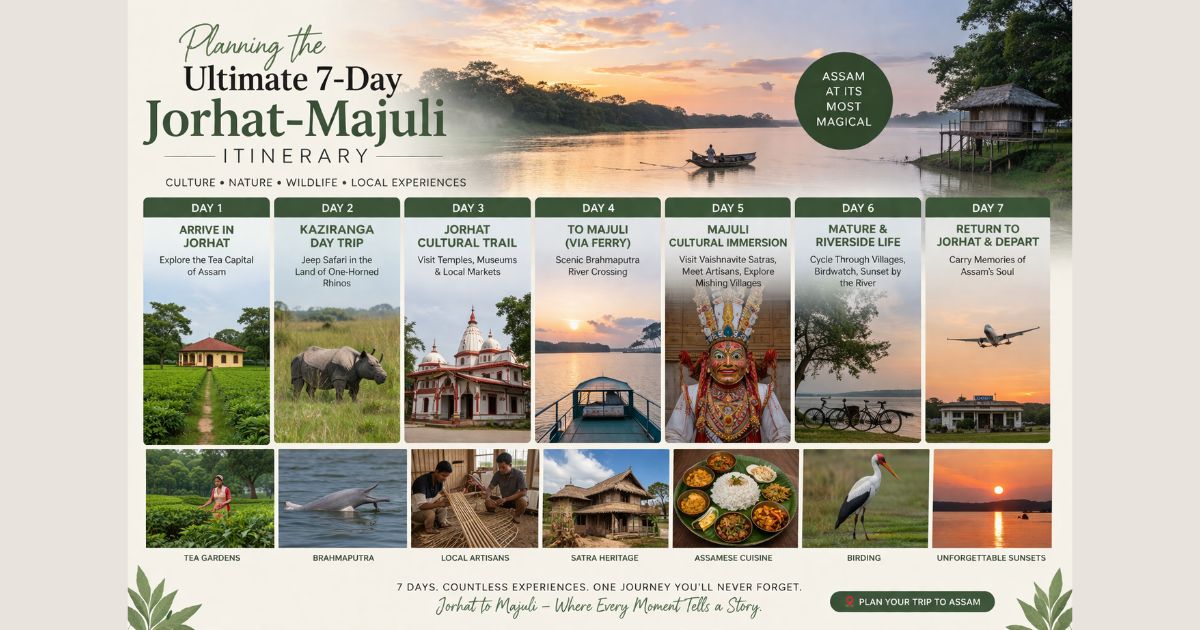
Jorhat serves as the primary gateway to Majuli, the world’s largest river island and the nerve center of Assamese Vaishnavite culture. As modern travelers seek “disappearing destinations” and spiritual retreats, Majuli’s unique Sattras (monasteries) and traditional pottery villages have become magnetic. The recent completion of the Majuli-Jorhat bridge project has further fueled this accessibility, making the journey seamless.

2. Colonial Tea Tourism: The “Leaf-to-Cup” Experience
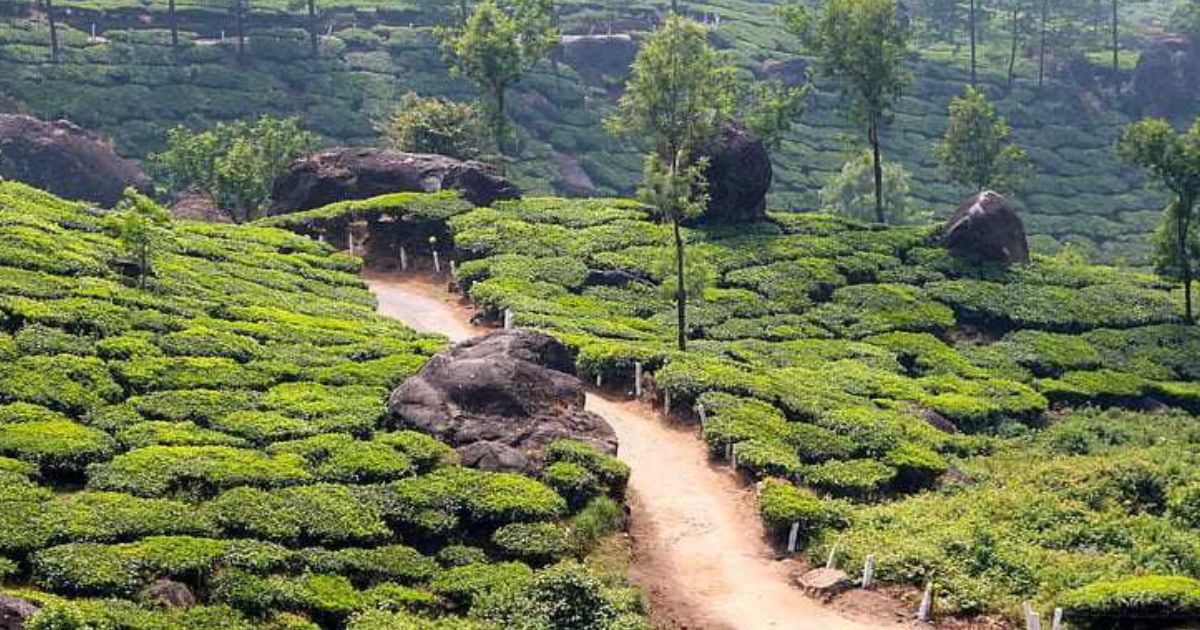
Jorhat is home to the world-renowned Tocklai Tea Research Institute and hundreds of sprawling estates. The 2026 traveler is no longer content with just a hotel room; they want the “Bungalow Life.” Staying in century-old colonial estates, participating in tea-plucking sessions, and learning the nuances of orthodox tea manufacturing has turned Jorhat into a luxury experiential hub.
3. The Green Frontier: Kaziranga and Hoollongapar
While Kaziranga National Park remains a global draw, Jorhat offers a more intimate wildlife encounter at the Hoollongapar Gibbon Sanctuary. As the only place in India to see the Hoolock Gibbon, it has become a “must-visit” for eco-conscious travelers who are moving away from the crowded safari circuits of Central India.
Infrastructure and the “Electric Pivot”
Aligned with India’s wider PM E-DRIVE mandate, Jorhat has seen a rapid rollout of green transit options. The introduction of electric shuttle services from Jorhat Airport (Rowriah) to major tea estates and the Nimati Ghat ferry point has minimized the carbon footprint of local tourism. The city has become a pilot for “Green Heritage Circuits,” blending 19th-century charm with 21st-century sustainability.
The “Slow Travel” Mandate
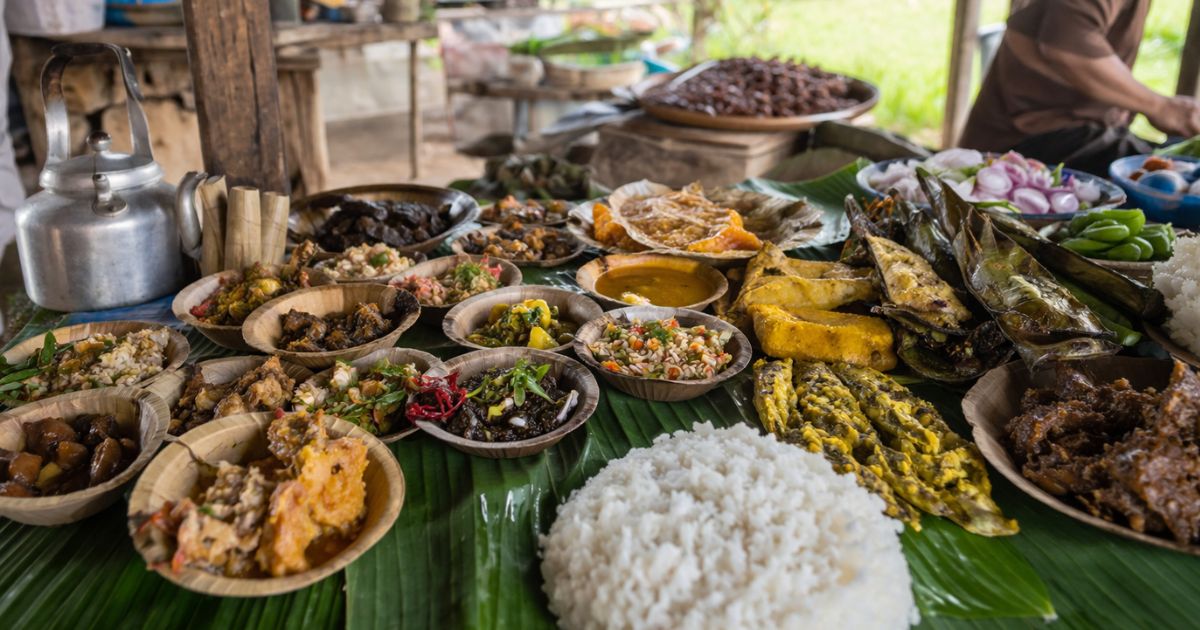
The Jorhat Renaissance isn’t just about numbers; it’s about a change in tempo. Travelers are spending an average of 5.4 days in the region, a significant jump from the 2024 average of 2 days. This “Slow Travel” trend allows for deep dives into Mising tribal cuisine, exploring the ruins of the Ahom Kingdom at nearby Sivasagar, and engaging with local silk weavers.
The Future of the Northeast
The rise of Jorhat signals that the “Seven Sisters” are no longer the “final frontier” they are the main stage. As the city prepares for a record-breaking winter season in 2026, it stands as a testament to India’s evolving palate for travel. In the Jorhat Renaissance, the beauty lies not in the destination’s flashy lights, but in the morning mist over a tea garden and the quiet hum of a ferry crossing the Brahmaputra.
Statistics & Impact:
- Search Growth: 493% (Skyscanner 2026 Report)
- Top Visitor Demographics: Solo travelers and “Workation” professionals from Bengaluru, Delhi, and Mumbai.
- Key Economic Impact: 35% increase in local homestay registrations since 2025.

Key Historical & Cultural Pillars of Jorhat
| Pillar | Significance | Must-Visit |
| Tea Legacy | Global hub for tea research and production. | Tocklai Research Institute |
| Spiritualism | Gateway to the Neo-Vaishnavite movement. | Majuli Sattras |
| Ahom History | Proximity to the last capital of the Ahom Kingdom. | Sivasagar (Rangasagar) |
| Biodiversity | Only home to India’s apes. | Hoollongapar Gibbon Sanctuary |