Shigmo Festival is Goa’s Spring-Summer Carnival full of Color, Dance, and Warrior Spirit
Goa Beyond Beaches
When people think of Goa, they often imagine beaches, sunsets, and nightlife. But step into Goa during Shigmo, and you encounter a completely different energy.
This is Goa rooted in tradition. Goa in motion. Goa celebrating its cultural identity through music, dance, and community.
Among the most colorful summer festivals in India, Shigmo feels like a bridge between past and present. It carries the spirit of ancient traditions while unfolding in a way that feels dynamic and alive.
What Is Shigmo Festival
The Shigmo Festival is one of the most important Hindu festivals in Goa, celebrated during March and April. It marks the arrival of spring and the transition toward summer.
Traditionally associated with farmers and rural communities, Shigmo celebrates the end of the harvest season and the return of joy after months of labor.
Over time, it has evolved into a grand cultural event that includes parades, performances, and community celebrations across the state.
The Parades: A Moving Celebration

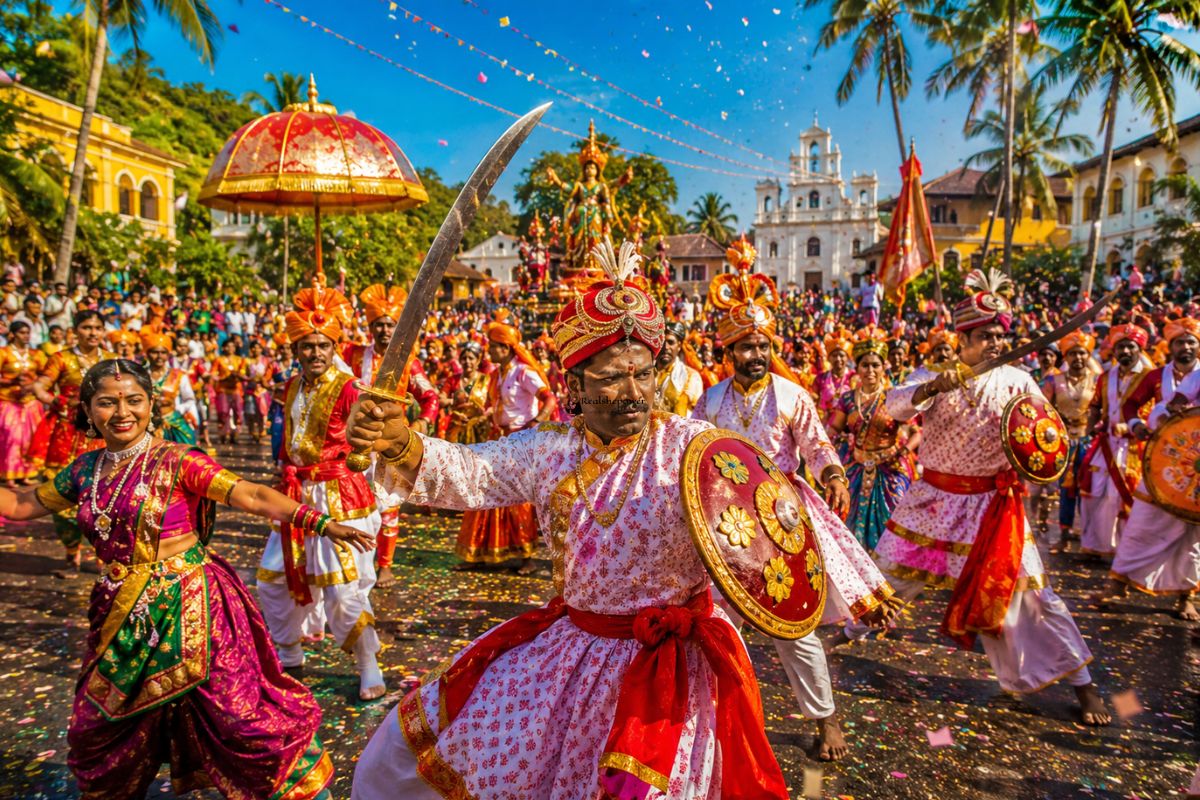
One of the most striking aspects of Shigmo is its vibrant parades.
Floats move through the streets, depicting scenes from mythology, history, and local folklore.
Performers dressed in elaborate costumes dance alongside, creating a sense of movement that feels continuous and immersive.
Each parade is different, reflecting the creativity and identity of the communities involved.
Folk Dances: Stories in Motion

Shigmo is also known for its traditional folk dances, each carrying its own story.
One of the most prominent is the Ghode Modni dance, which depicts warriors riding horses into battle.
Other dances reflect themes of celebration, devotion, and daily life.
These performances are not just artistic. They are narrative. They carry history through movement.
Community and Participation
What makes Shigmo special is its inclusiveness.
It is not limited to specific spaces or audiences. The entire community becomes part of the celebration.
People gather in streets, watch performances, and often join in.
The festival feels open, accessible, and shared.
A Festival of Identity
Shigmo is more than entertainment. It is an expression of Goan identity.
It reflects a blend of influences, traditions, and histories that have shaped the region.
Through its music, dance, and rituals, it preserves cultural memory while adapting to the present.
Experiencing Shigmo
For travelers, Shigmo offers an opportunity to see a side of Goa that is often overlooked.
Panaji, Margao, and other towns host major parades, but smaller villages often provide a more intimate experience.
Evenings are the best time to witness the processions, as lights and performances create a vibrant atmosphere.
To explore how Shigmo fits into the broader cultural landscape, visit
👉 summer festivals in India
A Festival That Expands Your View of Goa
Shigmo reveals a Goa that is rooted, expressive, and deeply cultural.
It moves beyond familiar images and offers something more layered.
It reminds you that every place carries multiple identities.
And sometimes, the most meaningful ones are found in its festivals.
FAQs
What is Shigmo Festival
It is a Hindu spring festival in Goa celebrating harvest, culture, and community.
Where is Shigmo celebrated
Across Goa, especially in towns like Panaji and Margao.
When does Shigmo take place
It usually takes place in March or April.
What makes Shigmo unique
Its parades, folk dances, and strong community participation define the festival.