Authentic Goan Food Trail: Soulful Journey Through Goa’s Kitchens, Taverns, Beaches & Hidden Villages
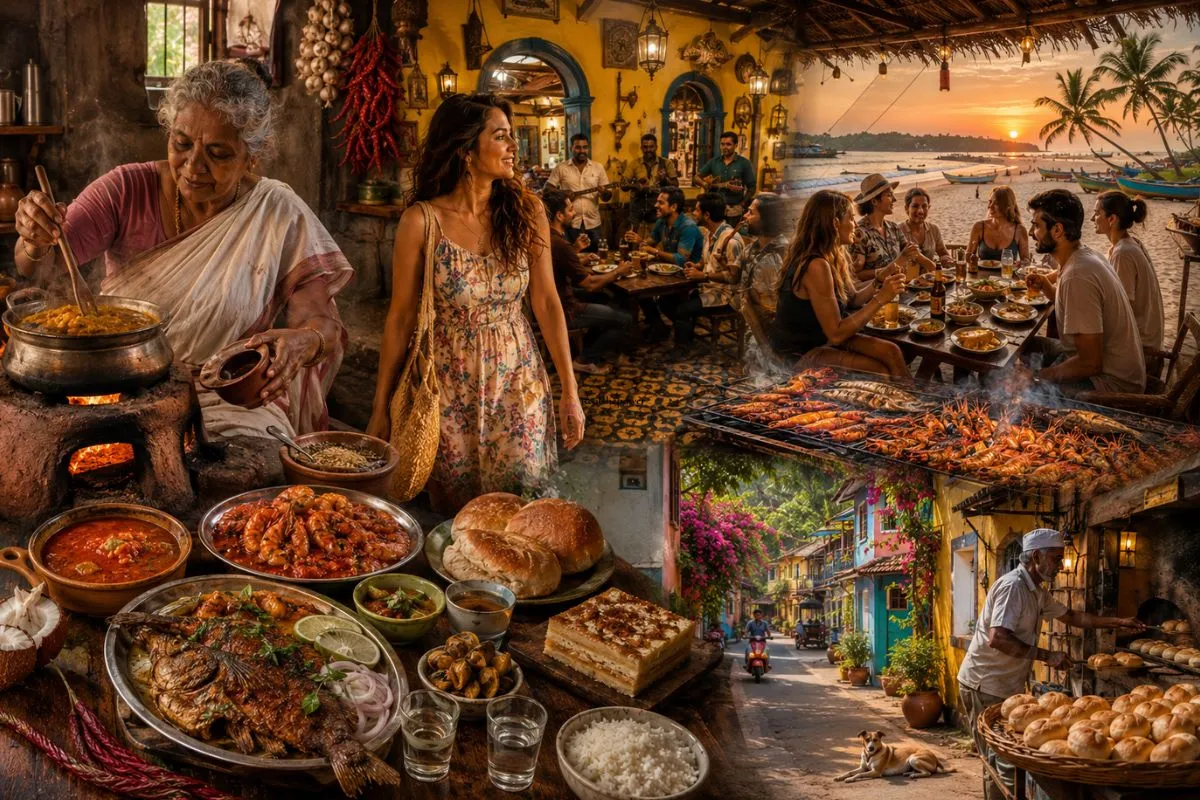
Goa is not just beaches.
Goa is aroma.
It is the smell of fresh poi bread at sunrise.
It is coconut oil crackling in an old Portuguese-style kitchen.
It is the sharp heat of recheado masala.
It is smoky kingfish on a charcoal grill while the Arabian Sea turns gold behind you.
Most tourists come back talking about shacks and sunsets. But the real Goa lives in its food. In tiny family-run taverns. In old Catholic homes where recipes are whispered across generations. In Saraswat kitchens where kokum and coconut create magic without noise. In village bakeries where old wood-fired ovens still survive.
This is not just another “best food in Goa” list.
This is a deeply personal, authentic Goan food trail designed for travelers who want to feel Goa.
Because once you truly eat Goa, a part of Goa never leaves you.
Why Goan Cuisine Feels So Different
Goan cuisine is one of the most layered and culturally rich food traditions in India.
It carries:
- Portuguese influence
- Konkan coastal traditions
- Hindu Saraswat heritage
- Catholic culinary evolution
- Tribal forest ingredients
- Arabian Sea seafood culture
And that is why authentic Goan food tastes unlike anything else in India.
The balance is extraordinary:
- Coconut + vinegar
- Seafood + spice
- Sweetness + smoke
- Tamarind + kokum
- Fiery masalas + cooling rice
Many travelers only eat butter garlic prawns near Baga and think they have experienced Goa. They haven’t.
The real food trail begins when you leave the loud tourist lanes.
🧞♀️ Real SHEE Power Travel Genie Pro Tip
If a Goan restaurant menu has hundreds of dishes spanning multiple cuisines, it’s often a sign that authenticity isn’t the focus. Many of the best Goan restaurants keep their menus concise, preparing a smaller selection of dishes with traditional recipes and fresh local ingredients.
Start Your Morning Like a Local: Poi, Chai & Slow Goa
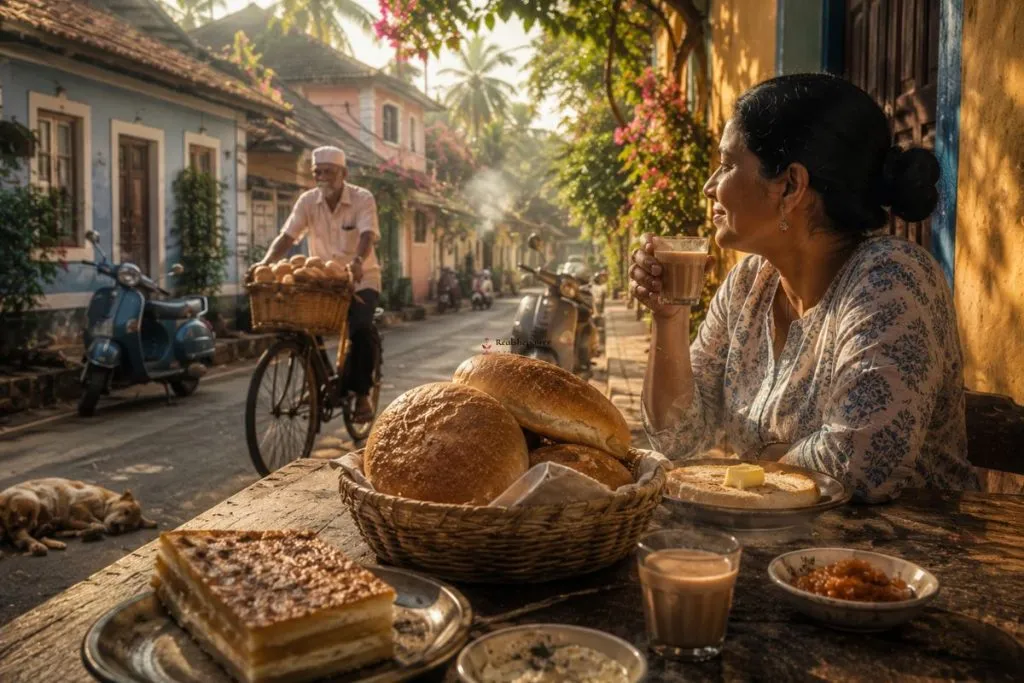
Forget hotel buffet breakfasts for one morning.
Wake up early and walk into a local bakery.
Ask for:
- Poi
- Pao
- Undo
- Kakonn
These are traditional Goan breads baked in wood-fired ovens by village bakers called Poder.
Fresh poi with local butter and hot chai may sound simple. But this is Goa at its purest.
The bread is slightly smoky. Slightly chewy. Warm from the oven. It carries centuries of Portuguese baking influence adapted beautifully into Indian coastal life.
Many locals still buy bread every single morning from cycling bread vendors.
That tradition is disappearing slowly. Experience it while it still exists.
Fish Curry Rice: The Heartbeat of Goa
If there is one dish that defines Goa, it is Goan Fish Curry Rice.
Not fancy seafood platters.
Not Instagram cocktails.
Just fish curry rice.
Simple. Comforting. Emotional.
The curry usually contains:
- Coconut
- Kokum
- Turmeric
- Red chilies
- Freshly ground spices
Served with:
- Steamed rice
- Fried fish
- Sol kadi
- Pickles
This meal is Goa’s emotional center.
Every household cooks it differently.
The Hindu version tastes different from the Catholic version. North Goa differs from South Goa. Village kitchens differ from restaurants.
And that is the beauty of authentic food travel.
Must Read Before Your Goa Trip
If you truly want to experience Goa beyond clubs and clichés, read our complete pillar guide:
👉 Summer Festivals in India
It helps travelers understand how food, festivals, spirituality, and local traditions connect across India’s summer culture.
The Legendary Goan Prawn Balchão
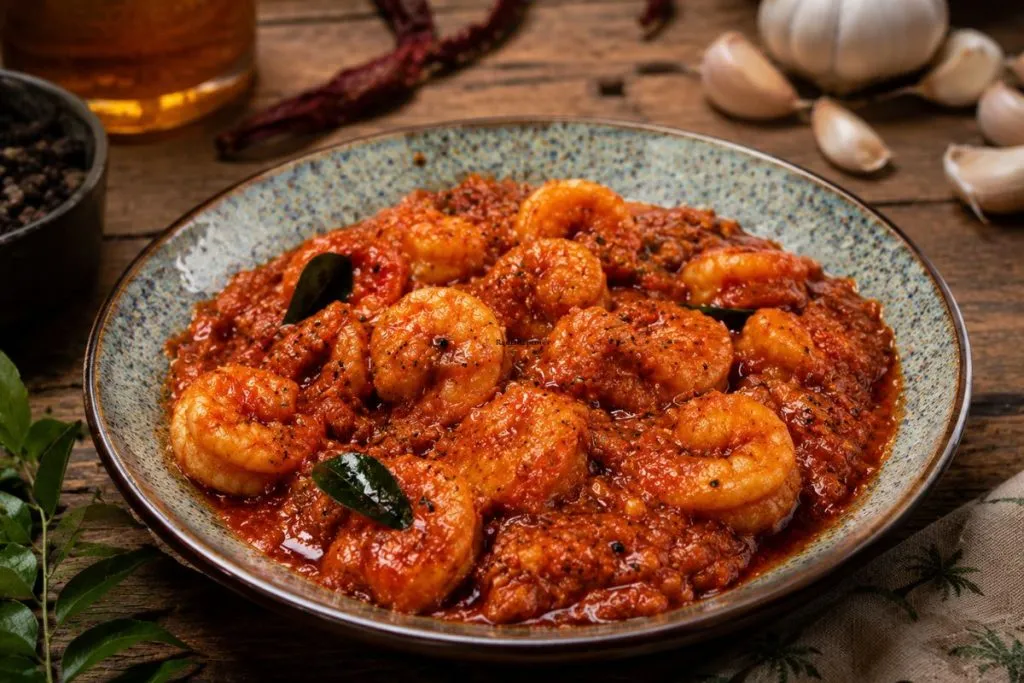
Balchão is not merely a dish.
It is attitude.
Fiery. Tangy. Sharp. Addictive.
Made with:
- Prawns
- Vinegar
- Tomatoes
- Chili paste
- Spices
This Portuguese-influenced pickle-style preparation explodes with flavor.
Authentic balchão should never taste sweet like commercial bottled versions. It should have heat, acidity, depth, and complexity.
Eat it with warm rice and you instantly understand why Goan kitchens are legendary.
The Hidden Magic of Sol Kadi
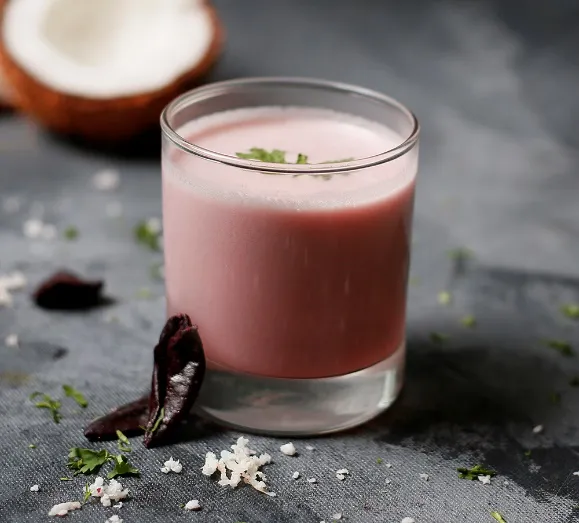
Most tourists underestimate sol kadi.
Huge mistake.
Made from:
- Kokum
- Coconut milk
- Garlic
- Green chili
Sol kadi cools the body naturally in coastal heat. It also aids digestion after heavy seafood meals.
But emotionally?
It tastes like coastal peace.
One sip after spicy fish thali feels almost medicinal.
🧞♀️ Real SHEE Power Travel Genie Secret
Ask local restaurants whether they have a “today’s catch” that’s prepared separately from the regular menu. Many authentic Goan kitchens adapt their recipes to the freshest seafood available that morning, creating dishes that reflect the day’s market rather than a fixed menu.
Vindaloo Is Not What Most People Think
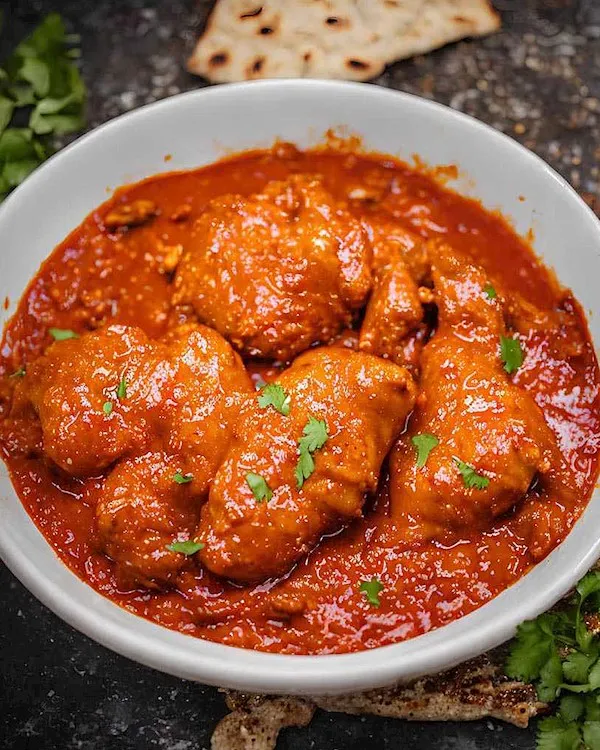
Outside Goa, vindaloo is often destroyed.
Too much oil.
Too much chili.
Too much drama.
Authentic Goan vindaloo is balanced.
The word itself evolved from Portuguese:
- Vinho = wine/vinegar
- Alhos = garlic
Traditional vindaloo combines:
- Vinegar
- Garlic
- Spice
- Slow-cooked meat
Usually pork.
The flavor should feel layered, not aggressively spicy.
A proper Goan pork vindaloo has acidity, richness, sweetness, and warmth working together.
Village Goa Has the Best Food
The further you move from loud tourist strips, the better the food becomes.
In villages:
- Grandmothers still grind masalas manually
- Coconut milk is extracted fresh
- Fish is bought daily
- Recipes remain untouched by tourism trends
Some of the most unforgettable meals in Goa happen in places without branding, influencers, or aesthetic interiors.
Just truth on a plate.
And honestly?
That is luxury.
The Beauty of Goan Catholic Cuisine
Catholic Goan cuisine carries deep Portuguese influence.
Popular dishes include:
- Sorpotel
- Xacuti
- Cafreal
- Balchão
- Bebinca
These recipes evolved over centuries.
Goan Catholics mastered vinegar-based cooking in tropical heat long before refrigeration existed.
That culinary intelligence still survives today.
Chicken Cafreal: Goa’s Green Masterpiece
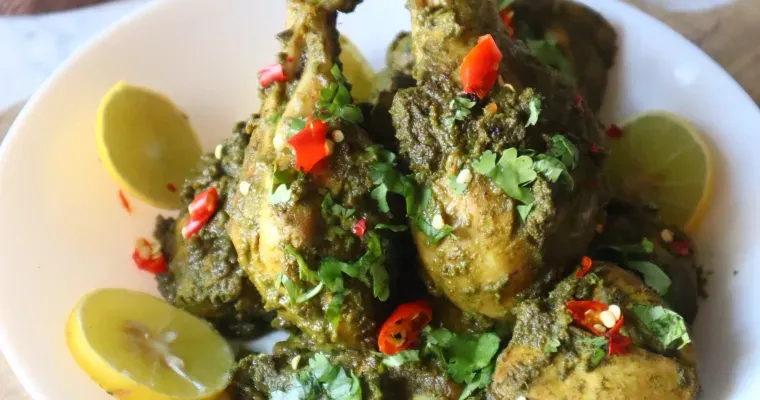
Chicken Cafreal deserves global fame.
Marinated in:
- Coriander
- Pepper
- Green chilies
- Garlic
- Cinnamon
- Cloves
Then roasted beautifully.
The result is earthy, spicy, aromatic, and deeply memorable.
Authentic cafreal is not neon green.
It is herbaceous and balanced.
Many old taverns still prepare extraordinary versions.
Worth Reading
Love stories hidden inside Indian culinary traditions?
You may also enjoy:
👉 Hemis Festival: Mysticism in the Mountains
Because travel becomes unforgettable when culture and food are experienced together.
Bebinca: Goa’s Layered Dessert of Patience
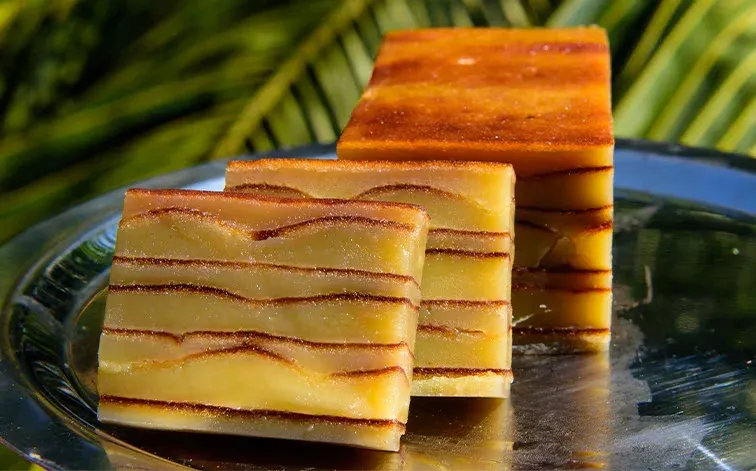
Bebinca is not merely dessert.
It is craftsmanship.
This iconic Goan sweet contains multiple delicate layers made one at a time using:
- Coconut milk
- Egg yolk
- Sugar
- Flour
- Ghee
Traditional bebinca requires patience and skill.
Each layer is baked separately before the next one is added.
The texture becomes rich, caramelized, soft, and unforgettable.
Tourists often buy factory-packed versions.
Don’t.
Eat freshly made bebinca from authentic bakeries or family kitchens.
The difference is enormous.
Feni: Goa’s Most Misunderstood Spirit
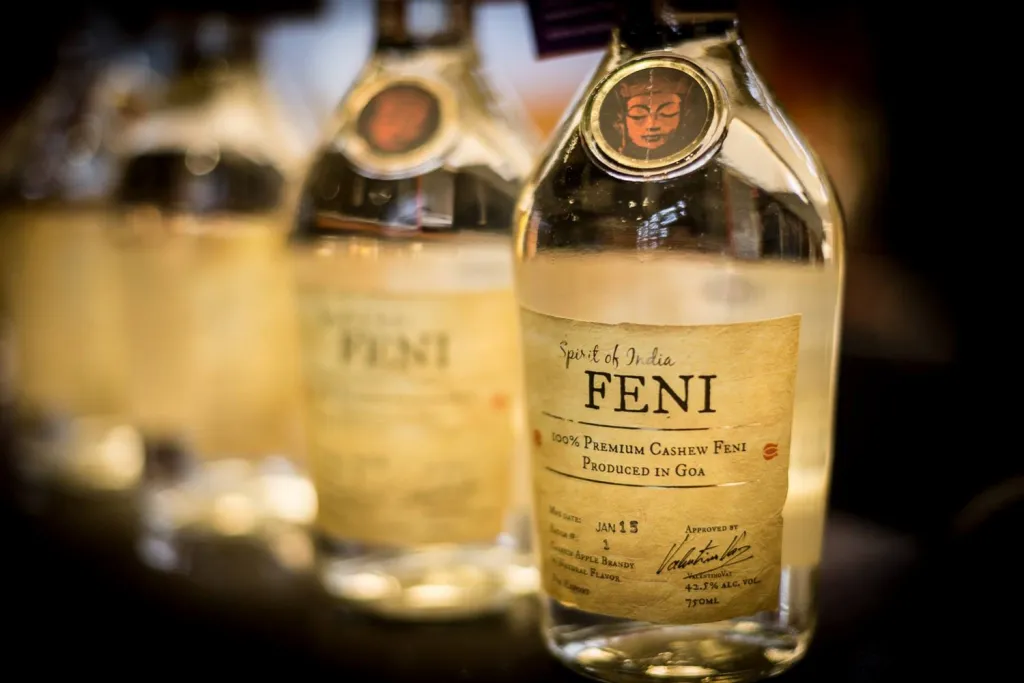
Feni is not just alcohol.
It is cultural heritage.
Made from:
- Cashew fruit
OR - Coconut sap
Traditional feni production is labor-intensive and deeply rooted in village life.
Good feni should never burn harshly. It should feel earthy, fruity, and layered.
Try:
- Cashew feni with lime soda
- Coconut feni in traditional taverns
And always sip slowly.
Feni is about conversation, not intoxication.
💡 Travel Genie Tip #3: Many visitors eat every meal near the beaches, but some of Goa’s most memorable food is found in traditional village home restaurants. Plan at least one lunch away from the coastline to experience fresher seafood, balanced local spices, and genuine Goan hospitality.
Why Goan Seafood Feels Different
Seafood in Goa tastes different because freshness matters here.
Fish often reaches kitchens within hours.
Popular authentic seafood dishes include:
- Kingfish recheado
- Rava fried mussels
- Crab xec xec
- Chonak fry
- Shark ambot tik
- Prawn curry
- Squid sukka
The spices are coastal, not overpowering.
Goan cuisine respects seafood instead of drowning it.
Vegetarian Goa Exists Too — Beautifully
Many travelers wrongly assume Goa is only seafood and pork.
Not true.
Goan Hindu vegetarian cuisine is extraordinary.
Look for:
- Khatkhate
- Mushroom xacuti
- Alsande tonak
- Tendli bhaji
- Mooga gathi
- Patoleo
These dishes carry temple traditions, seasonal wisdom, and coconut-rich coastal flavors.
The simplicity feels grounding.
The Tavern Culture of Goa
Old Goan taverns are disappearing slowly.
And that is heartbreaking.
These taverns were once community spaces where:
- Locals debated politics
- Fishermen relaxed
- Musicians gathered
- Feni flowed freely
- Stories survived
Some still retain old-world charm:
- Wooden chairs
- Vintage bottles
- Faded walls
- Portuguese windows
- Slow conversations
Do not rush through them.
Sit. Observe. Listen.
That atmosphere is part of Goa’s food culture too.
Why Authentic Goan Food Is Emotional
Because it is deeply connected to memory.
Goan food is not obsessed with perfection.
It is obsessed with feeling.
Every family recipe carries:
- Migration stories
- Colonial history
- Religious identity
- Coastal survival
- Celebration traditions
That emotional depth is what tourists remember long after returning home.
Not just flavor.
Feeling.
A Perfect One-Day Authentic Goan Food Trail
Morning
- Poi breakfast from local bakery
- Chai with local snacks
Late Morning
- Visit traditional spice plantation
- Learn about kokum, pepper, nutmeg, cinnamon
Lunch
- Authentic fish thali in village restaurant
- Sol kadi mandatory
Evening Snack
- Cafreal or cutlet pão
Sunset
- Fresh grilled seafood near quieter beaches
Night
- Traditional tavern experience
- Bebinca dessert
- Slow sip of feni
That is Goa.
Not rushed tourism.
Not checklist travel.
Presence.
💡 Real SHEE Power Travel Genie Wisdom: The most memorable meals in Goa are often found away from the busiest tourist spots. Look for restaurants where locals gather, menus are thoughtfully curated, and recipes have been passed down through generations. Authenticity is usually found in tradition, not popularity.
Goa Is Best Experienced Slowly
Modern travel has become too performative.
People arrive. Click photos. Leave.
But Goa does not reveal itself to rushed travelers.
To truly understand Goa:
- Wake up early
- Speak to bakers
- Eat where locals eat
- Explore villages
- Respect silence
- Learn food histories
- Taste slowly
Because authentic Goan food is not just cuisine.
It is memory.
It is resistance.
It is identity.
It is warmth.
And once you experience the real Goa through its kitchens, taverns, seafood markets, bakeries, and family recipes, you stop seeing Goa merely as a tourist destination.
You begin seeing it as a living cultural soul.
That is the Goa RealShePower wants its readers to remember forever.