The World’s Best Dark Sky Reserves for Stargazing & Astrophotography
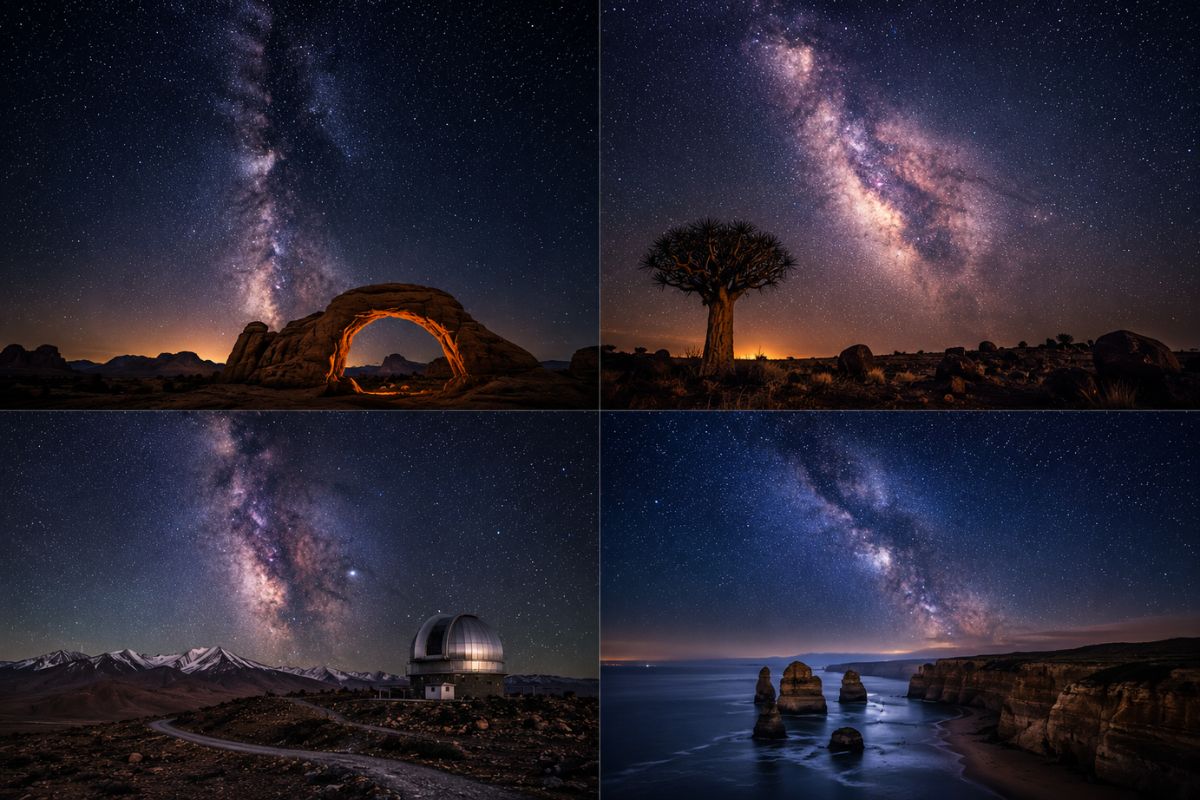
For most of human history, looking up meant seeing the dense, luminous arc of the Milky Way. Today, over 80% of the world’s population lives under light-polluted skies.
Enter Dark Sky Reserves—specially designated core zones protected by strict lighting regulations and surrounded by local communities committed to preserving the night. For travelers, stargazers, and astrophotographers, these locations offer pristine, Bortle Class 1 and 2 skies where the cosmos reveals itself in breathtaking detail.
🌌 What Are Dark Sky Reserves?
Dark Sky Reserves are protected landscapes, covering at least 700 square kilometres, that preserve exceptionally clear, unpolluted night skies. They are officially certified by DarkSky International (formerly the International Dark Sky Association), an organization dedicated to protecting the night from excessive artificial light.
To qualify, these reserves must enforce strict lighting standards, including shielded, downward-facing light fixtures, warmer-coloured lighting, and reduced nighttime illumination. These measures minimize light pollution, allowing stars, planets, and the Milky Way to remain visible without interference from city glow.
✨ Why Do They Matter?
- Protect pristine night skies from light pollution.
- Support astronomy research and exceptional stargazing.
- Help nocturnal wildlife navigate and behave naturally.
- Promote sustainable astrotourism and eco-friendly travel.
🇮🇳 India’s Dark Sky Destinations
Hanle Dark Sky Reserve, located within Ladakh’s Changthang Wildlife Sanctuary, is India’s first Dark Sky Reserve. It was established in collaboration with the Indian Institute of Astrophysics to protect one of the country’s clearest night skies. Separately, Pench Tiger Reserve in Maharashtra has earned recognition as an International Dark Sky Park, highlighting India’s growing commitment to conserving natural darkness.
What Makes a World-Class Dark-Sky Site?
- Bortle Scale Rating: Measures sky brightness from Class 1 (pristine dark sky) to Class 9 (inner-city sky).
- Low Atmospheric Turbulence & Water Vapor: High-altitude and arid environments minimize atmospheric distortion, keeping stars crisp rather than twinkling heavily.
- Zero Light Pollution: True darkness reveals faint deep-sky objects like the Andromeda Galaxy and nebulae to the naked eye.
1. Aoraki Mackenzie International Dark Sky Reserve (New Zealand) 🇳🇿

Photo: Maki Yanagimachi / International Astronomical Union (IAU), via Wikimedia Commons.
Spanning over 4,300 square kilometers on New Zealand’s South Island, Aoraki Mackenzie was the first reserve in the Southern Hemisphere to earn certification from DarkSky International.
- Key Highlights: Home to Aoraki/Mount Cook and Lake Tekapo, where turquoise glacial waters mirror the southern night sky.
- Astro Features: View the Large and Small Magellanic Clouds (satellite galaxies of the Milky Way visible only from the Southern Hemisphere) and the striking Southern Cross.
- Best For: Astrophotographers wanting dramatic alpine reflections with galactic foregrounds.
2. Hanle Dark Sky Reserve, Ladakh (India) 🇮🇳
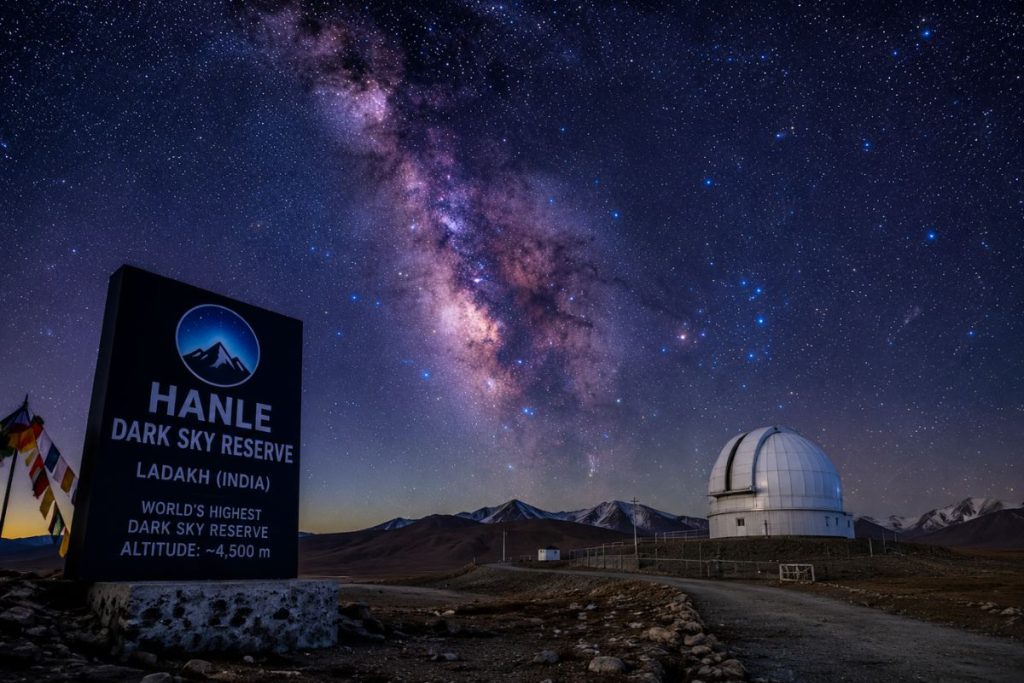
Situated inside the Changthang Wildlife Reserve at an altitude of 14,800 feet (~4,500m), Hanle is India’s first designated Dark Sky Reserve and one of the highest astronomical sites in the world.
- Key Highlights: Bone-dry mountain air, thin atmosphere, and almost zero moisture create legendary Bortle-1 conditions.
- Astro Features: The Milky Way core appears not just as a faint band, but as a textured, glowing river of light casting soft shadows on the high-desert floor. Local villagers trained as Astronomy Ambassadors lead guided telescope sessions.
- Best For: Deep-sky observation, high-altitude landscape astrophotography, and raw wilderness travel.
3. NamibRand Nature Reserve (Namibia) 🇳🇦
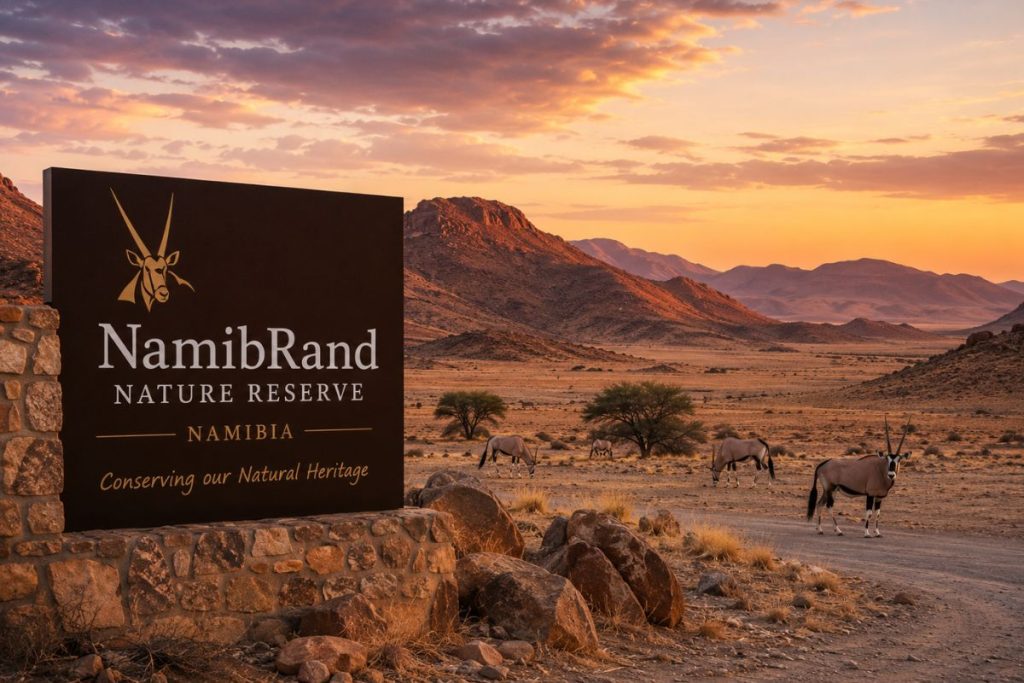
Located in the ancient Namib Desert, NamibRand is designated as an International Dark Sky Sanctuary—a status reserved for the absolute darkest, most remote places on Earth.
- Key Highlights: Red sand dunes, acacia tree silhouettes, and vast gravel plains create iconic compositional elements for night photographers.
- Astro Features: High stability, dry air, and absolute isolation yield pristine horizon-to-horizon visibility. The core of the Milky Way shines directly overhead during southern winter months.
- Best For: Silhouette astrophotography and luxury eco-lodge stargazing safaris.
4. Atacama Desert & Elqui Valley (Chile) 🇨🇱
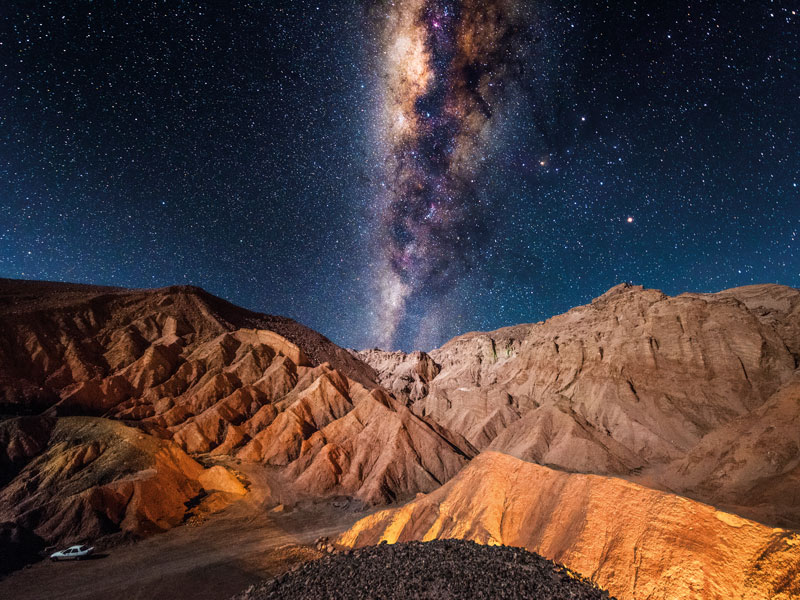
The Atacama Desert is globally recognized as the capital of modern astronomy, housing world-class observatories like ALMA and Very Large Telescope (VLT).
- Key Highlights: Some areas haven’t seen rain in centuries, granting over 300 clear nights a year.
- Astro Features: Unmatched transparency allows photographers to capture intricate details of dust lanes in the Milky Way and distant deep-sky nebulae with shorter exposure times.
- Best For: Professional and amateur astrophotographers seeking high-tech telescope tours and guaranteed clear skies.
Top Destinations Compared
| Destination | Altitude / Location | Best Season | Standout Celestial Feature |
| Aoraki Mackenzie (NZ) | ~700m / Alpine Lake | Oct – Mar (Milder) / Jun – Aug (Clearer) | Magellanic Clouds & Southern Cross |
| Hanle, Ladakh (India) | 4,500m / Cold Desert | May – October | Ultra-crisp Milky Way Core & Andromeda |
| NamibRand (Namibia) | ~1,000m / Coastal Desert | May – September | Desert Silhouettes & Zodiacal Light |
| Atacama Desert (Chile) | 2,400m+ / High Plateau | Year-round | 300+ Clear Nights & Deep-Sky Clarity |
💡 Quick Astrophotography Gear Checklist
1. Camera: Full-frame camera with strong high-ISO performance.
2. Lens: Wide-angle lens ($14\text{mm} – 24\text{mm}$) with a fast aperture ($f/1.8 – f/2.8$).
3. Sturdy Tripod: High winds are common in deserts and mountains; stability is essential for 15–25 second exposures.
4. Red Headlamp: Red light preserves night-vision adaptation (which takes up to 30 minutes to fully develop).