The 300-Million View Pivot: PM Modi’s Late-Night Reels and the Battle for Gen Z Trust
In digital political communication, timing is everything, but format is king.
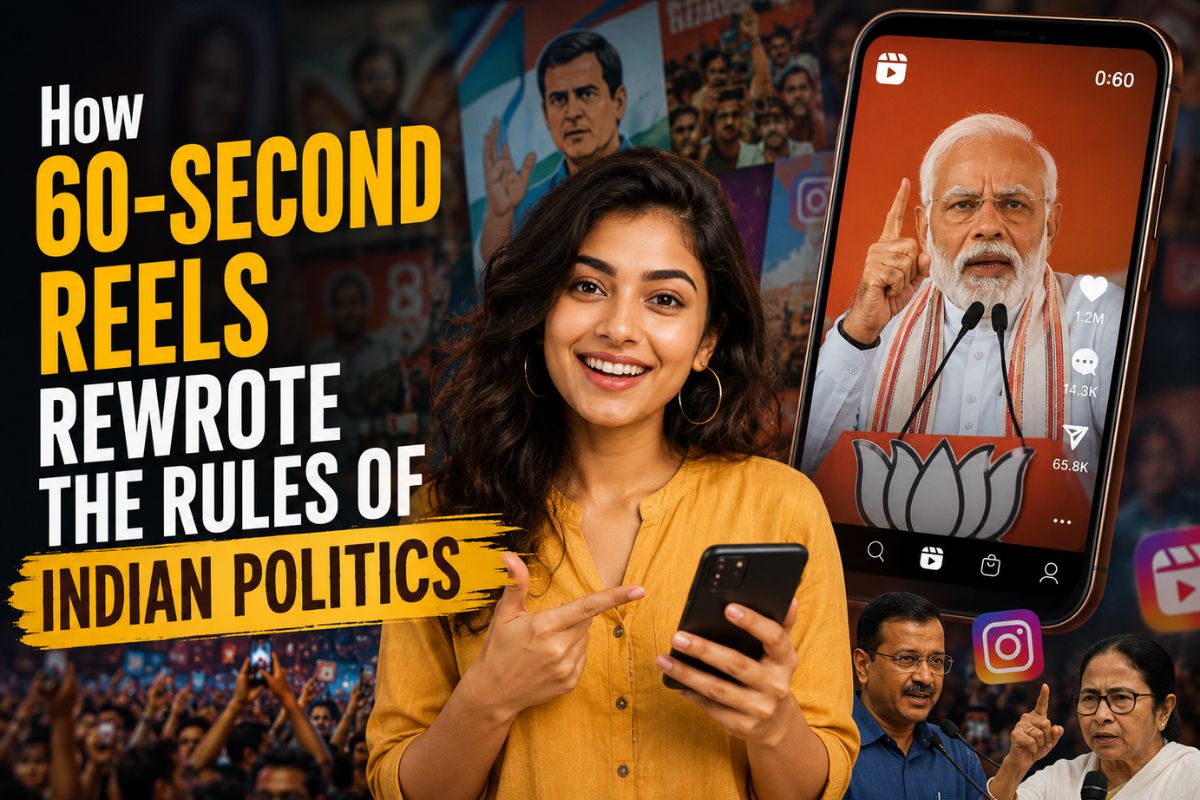
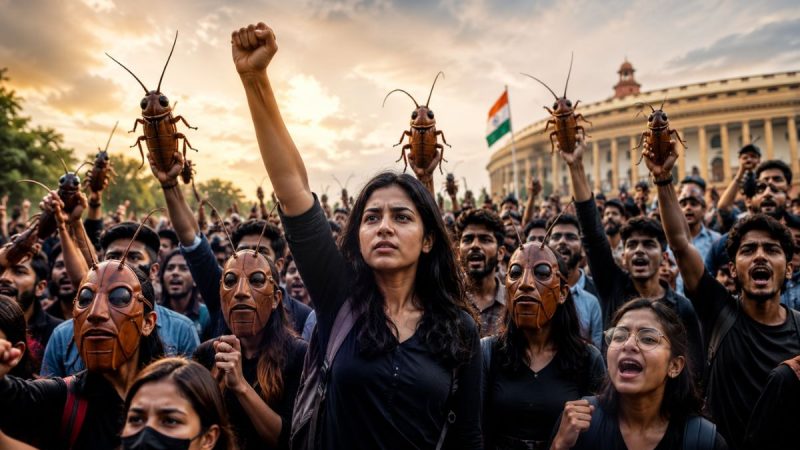
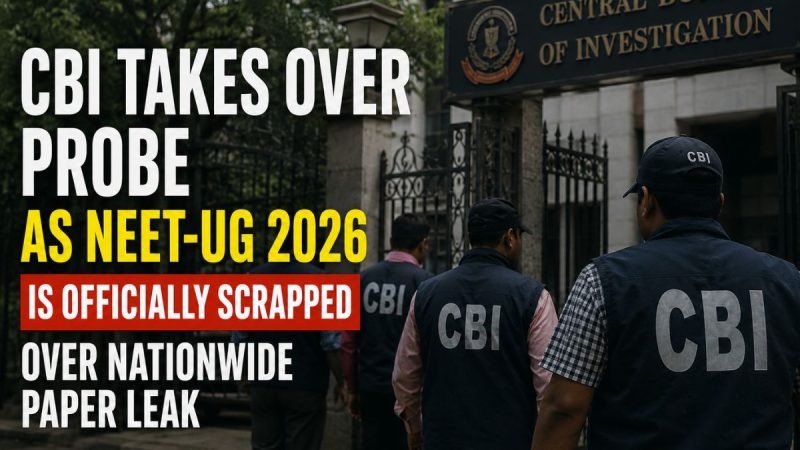
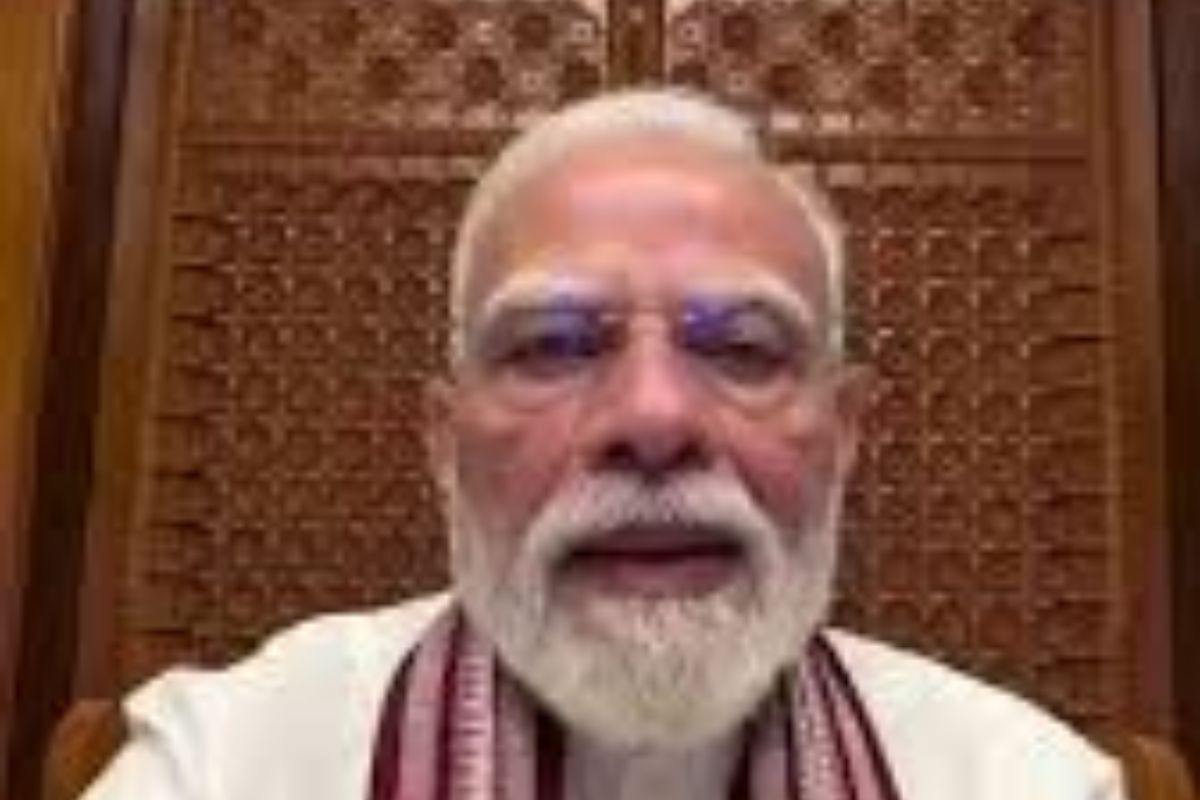
Amid growing student mobilization, parliamentary debates, and ongoing street demonstrations led by the Cockroach Janata Party (CJP) over the NEET paper leak controversy, Prime Minister Narendra Modi did something unprecedented. Instead of issuing a traditional press release or a formal podium address, he posted an intimate, late-night, selfie-style video directly to his Instagram handle.
Beginning with an unusual, casual “Hello friends,” the reel shattered social media records, garnering over 300 million views within 24 hours. But beyond the staggering metrics, the video signals a structural shift in how national leadership manages high-stakes crisis communications in real-time.
1. Direct-to-Consumer Politics in a High-Decibel Era
When political friction peaks especially involving student groups and youth-led movements like the CJP—traditional media formats often dilute executive messaging through endless studio debates and partisan spin.
By bypassing traditional newsroom filters and speaking directly into a smartphone camera at 11:52 PM, the Prime Minister achieved three tactical objectives:
- Shattering the Formal Barrier: A raw, selfie-angle video strips away the rigid distance of official state broadcasts, creating a perceived 1-on-1 direct dialogue with Gen Z voters.
- Owning the Digital Space: With over 102 million Instagram followers, the post immediately dominated feed algorithms, capturing youth attention directly on the platform where public sentiment was actively being formed.
- Disarming the Opposition: Delivering a calm, reassuring message late at night effectively reset the morning news cycle before opposition narratives could lock in.
Traditional vs. Modern Crisis Communication
📺 Traditional Crisis Communications
(High Noise / Friction)
📱 The New Direct-to-Consumer Pipeline
(Raw / Unfiltered Reach)
2. Subsuming Policy into Content Architecture
The content of the video was carefully structured to shift the public narrative from institutional failure to decisive executive action:
- Validation First: The video explicitly acknowledged that paper leaks are “not an ordinary matter” and validated the intense emotional and mental stress experienced by students and parents.
- Highlighting the Retest Effort: It emphasized the logistics of facilitating swift re-examinations for 22 lakh students to prevent the loss of an academic year.
- Forward-Looking Legislation: The reel doubled as a policy teaser, announcing that the Union Cabinet was preparing tougher anti-paper leak amendments featuring fast-track courts, up to 10 years in prison, and ₹10 crore fines.
By translating complex legislative amendments into a 60-second video caption, policy was reframed as a direct, personal promise to the youth.
3. The “Thank You, Friends” Follow-Up Loop
The initial video was followed less than 24 hours later by a second reel captioned “Thank you, friends,” where the Prime Minister thanked students for their comments, engagement, and policy suggestions.
📲 The Two-Part Instagram Loop
🎬 Reel 1: The Announcement
- “Hello friends”
- Acknowledges systemic pain
- Teases strict Cabinet laws
🔄 Reel 2: The Reinforcement
- “Thank you, friends”
- Expresses gratitude for feedback
- Validates community engagement
This two-stage loop turned a static government announcement into an interactive conversation. Shortly after, Cabinet colleagues were advised to deepen their engagement on short-form video platforms, cementing Instagram as a primary battleground for youth outreach.
The Takeaway: Digital Sovereignty in Modern Governance
Whether addressing street protests or parliamentary deadlock, the 300-million-view reel proves that modern political battles aren’t won solely in the House—they are won on the lock screens of 20-year-olds.
By transforming a major political crisis into a high-engagement digital dialogue, the event highlights a new reality of modern statecraft: when institutional trust falters, personal, unscripted communication is the fastest way to build it back.