Charting a New Global South Consensus: Key Takeaways from the 18th BRICS Summit in New Delhi
Article Summary
The 18th BRICS Summit concluded in New Delhi with the historic ‘New Delhi Declaration 2026’, solidifying the bloc’s commitment to the Global South. Key outcomes include advancing MSME integration, enhancing digital security frameworks, and fostering resilient economic cooperation among emerging economies.
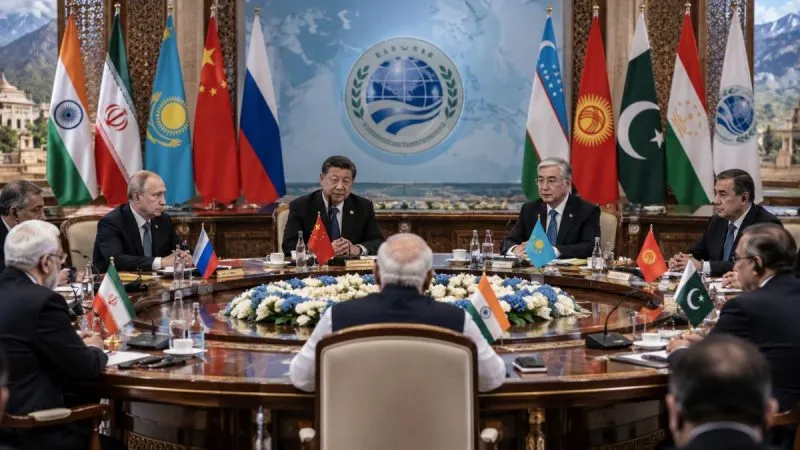
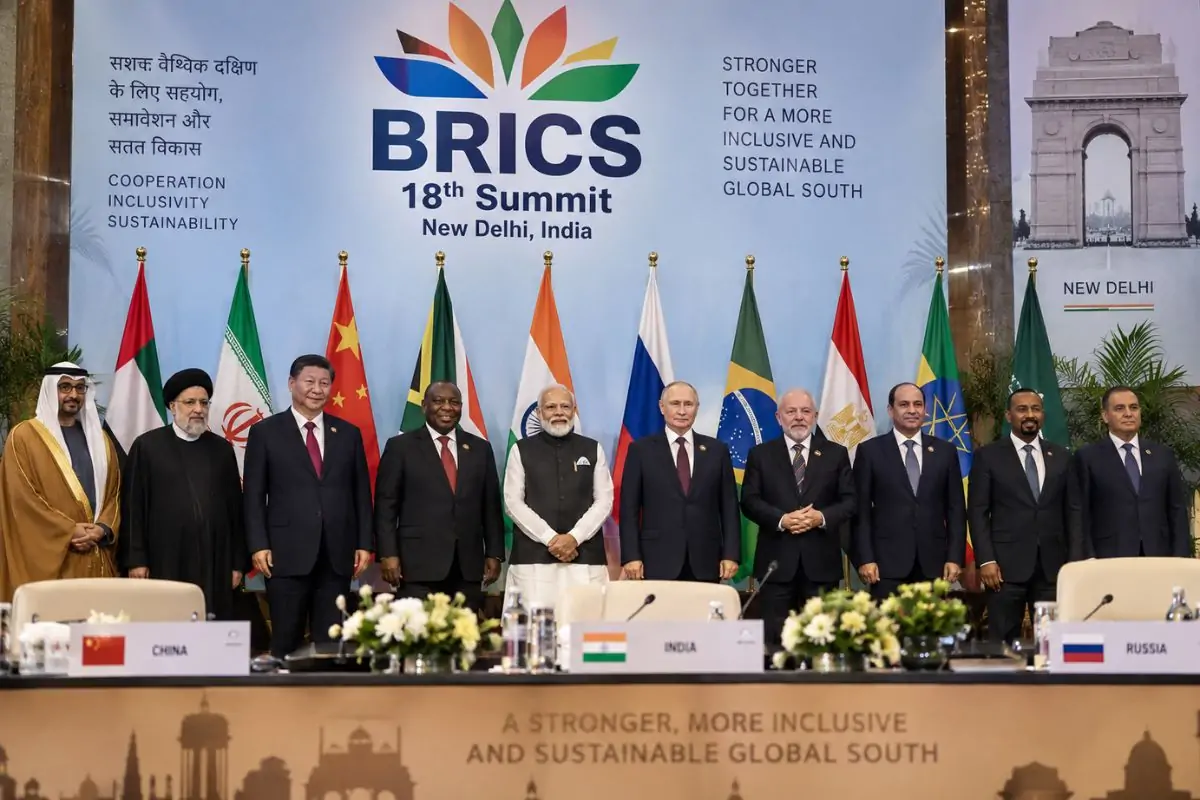
The recent conclusion of the 18th BRICS Summit in New Delhi has marked a monumental milestone in contemporary international diplomacy, placing the priorities of the Global South firmly at the centre of global discourse. Under India’s dynamic leadership and chairship, the two-day summit brought together major emerging economies—Brazil, Russia, India, China, and South Africa—to negotiate solutions surrounding resilience, innovation, cooperation, and sustainability in a rapidly shifting geopolitical landscape. Prime Minister Narendra Modi, in his opening remarks, set an ambitious tone, emphasizing that the New Delhi meet must serve as a catalyst for amplifying the collective voice of developing nations. Analysts note that India’s successful steering of the forum has significantly elevated its strategic stature, proving that multilateral platforms can yield actionable frameworks when guided by inclusive and forward-looking leadership.
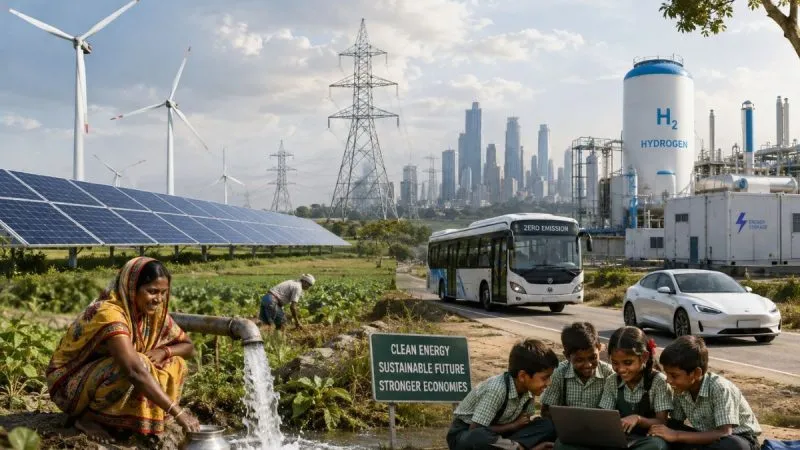
A central highlight of the summit was the formal adoption of theNew Delhi Declaration 2026, a comprehensive document that underscores a unified consensus among member states on crucial geopolitical and economic fronts. Unlike previous declarations that sometimes struggled to find common ground on contentious issues, the 2026 iteration demonstrated a mature alignment of interests, particularly concerning the reform of global financial institutions and the need for a multipolar world order. The declaration expressed deep collective concern over persistent conflicts across West Asia, strongly calling for the immediate protection of civilians and vital civilian infrastructure while advocating for sustained dialogue and diplomacy to foster lasting peace. Furthermore, the declaration strongly reaffirmed the bloc’s commitment to combating climate change through common but differentiated responsibilities, pushing back against unilateral trade measures disguised as environmental policies that disproportionately burden developing nations.
A significant portion of the summit’s agenda was dedicated to tangible economic cooperation, with India utilizing its prominent platform to champion the development and integration ofMicro, Small, and Medium Enterprises (MSMEs).Recognizing MSMEs as the backbone of emerging economies, the leaders endorsed a roadmap for simplifying cross-border trade procedures, enhancing digital literacy for small business owners, and facilitating access to affordable finance. This focus ensures that post-pandemic economic recovery frameworks trickle down to grassroots commercial tiers rather than remaining concentrated among corporate giants. In parallel, the summit addressed the growing vulnerabilities associated with the weaponisation of technology and critical minerals. Prime Minister Modi urged member nations to build robust defenses against technological exploitation, supply chain manipulation, and cyber threats targeting financial infrastructure. Consequently, the declaration included provisions for establishing a BRICS task force on trusted AI and securing critical mineral supply chains, reducing dependence on singular external suppliers.
The successful consensus-building among diverse nations, including those with historically divergent foreign policy stances like the UAE and Iran, highlighted India’s astute diplomatic balancing act. By keeping the focus strictly on developmental goals and mutual economic benefit, New Delhi managed to navigate complex political undercurrents. The event also saw substantial progress on the expanded BRICS+ dialogue, with observer nations from Africa, Latin America, and Southeast Asia participating in sessions focused on infrastructure connectivity and sustainable development financing. As nations begin implementing the mandates outlined in the New Delhi Declaration, the global community looks toward these emerging economies to spearhead a fairer and more resilient post-pandemic financial ecosystem, signaling a definitive shift in the center of gravity toward the Global South.