Global Energy Transition Accelerates as Developing Nations Lead Solar and Infrastructure Investments
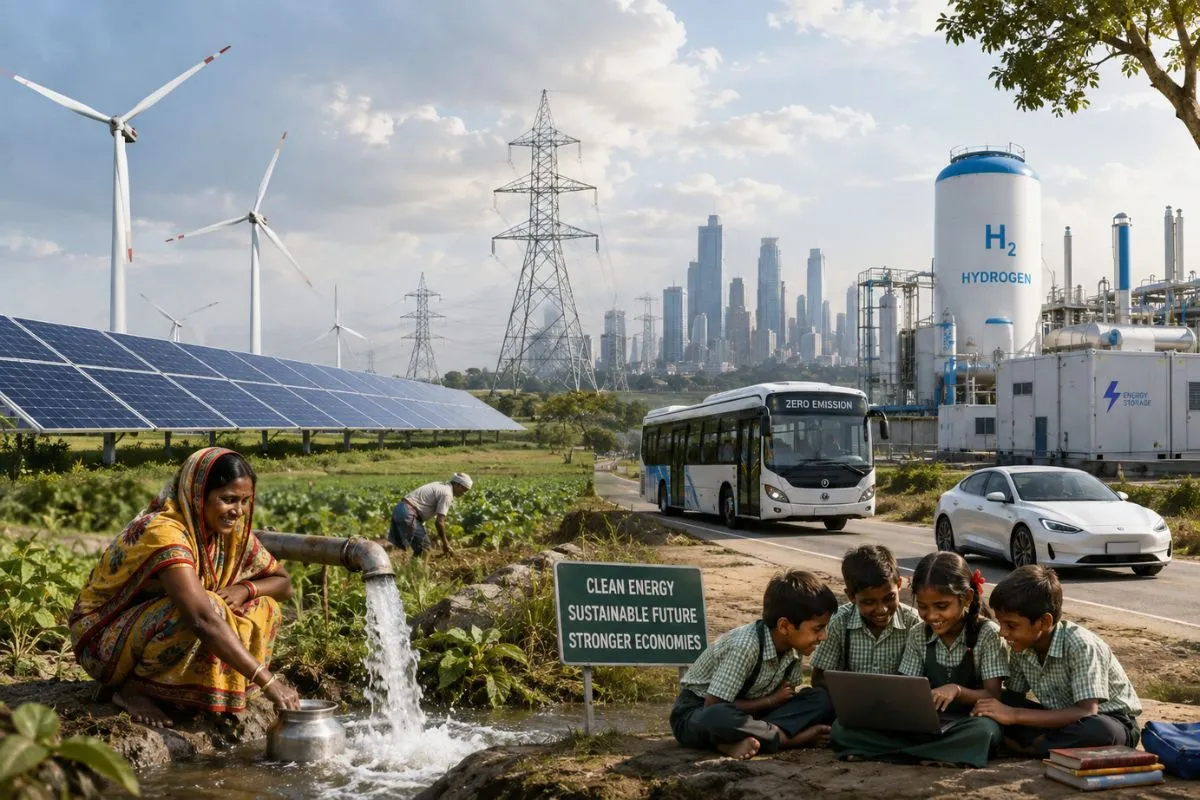
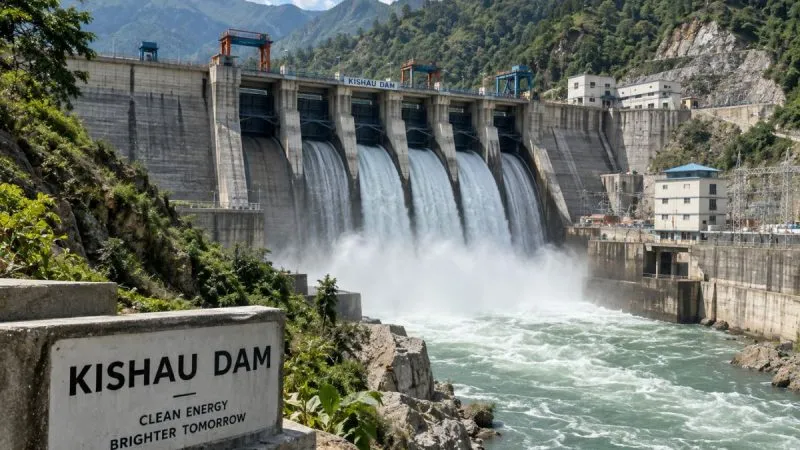
Infrastructure Capital Surge: Public utility sectors across emerging markets are directing record funding toward decentralized solar parks and high-capacity electrical grids.
Economic Resilience: Strong domestic manufacturing and service sector demand are shielding developing markets from global inflationary pressures and trade frictions.
Strategic Energy Independence: Regional energy networks are lowering imported fuel reliance by building out local battery storage systems and cross-border clean power exchanges.
A major transformation is reshaping the international economic landscape as developing nations rapidly scale up their renewable energy capacity to drive long-term industrial growth. Recent central bank reports confirm that strategic public utility investments in solar installations, wind farms, and modernized distribution networks are helping emerging markets outpace earlier global growth forecasts. By coupling clean power development with heavy manufacturing expansion, regional economies are establishing a resilient foundation capable of withstanding broader market volatility.
The main driver behind this structural shift is the need for reliable energy infrastructure that reduces dependence on volatile imported fossil fuels. Governments across Asia, Africa, and Latin America are prioritizing decentralized power networks to supply industrial hubs and expanding urban centers. Advanced battery storage systems and automated grid controls are playing a vital role in balancing supply and demand, ensuring that heavy manufacturing industries maintain continuous operations without experiencing power drops during peak hours.
Beyond strengthening energy reliability, these large-scale clean power initiatives are attracting significant domestic and international capital. The construction of regional solar corridors and green hydrogen production facilities is generating thousands of skilled jobs, fostering local innovation, and reinforcing supply chain self-reliance. As international financial organizations adjust their global economic outlooks, the proactive energy strategy embraced by developing nations stands as a benchmark for sustainable economic expansion.
Suggested Reading List
Global Economic Realities and Diplomatic Shifts Shape the Mid-2020s Landscape
What Japan Credit Rating Agency’s Sovereign Upgrade to A- Means for India
India’s Resilience Tested Yet Unbowed – A CII Perspective on 6.5% Growth in FY26