US House Advances Strict Russia Sanctions Bill Raising Global Trade Concerns
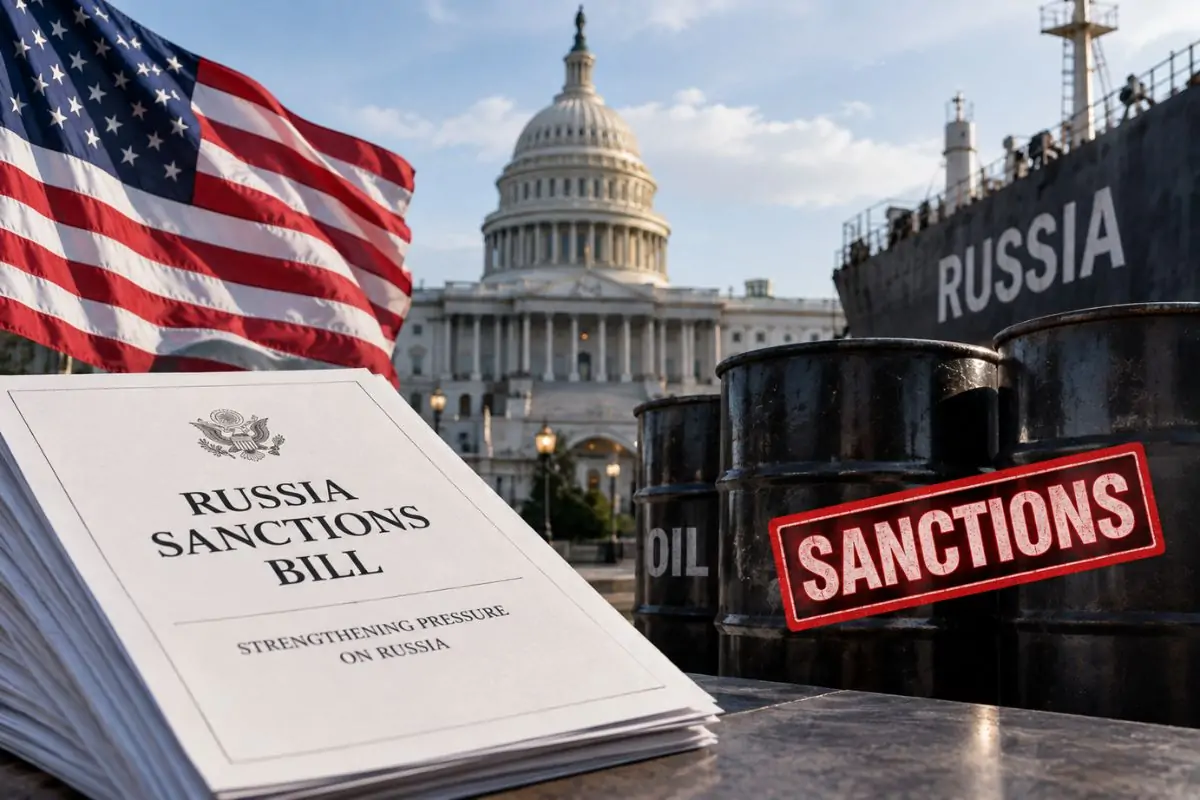
The United States political landscape has shifted dramatically following a high stakes procedural vote in the House of Representatives regarding international energy trade and foreign policy. Lawmakers successfully cleared a major procedural hurdle to advance the restrictive legislative package officially known as the Lindsey O. Graham Sanctioning Russia and Iran Act. The measure, which previously secured an overwhelming bipartisan majority in the United States Senate, aims to dramatically increase economic pressure on Moscow by penalizing major international purchasers of Russian petroleum products.
The vote itself unfolded with dramatic political tension on Capitol Hill, catching congressional leadership off guard.Passing by a narrow margin of 214 to 211, the procedural resolution moved forward after a couple of key Democratic lawmakers broke rank with party lines to support the Republican-backed rule.The unexpected alignment exposed deep internal divisions among Democrats.While members of Congress remain broadly supportive of Ukraine and eager to check foreign aggression, many have expressed deep apprehension over the sweeping executive authorities embedded within the text.
Core Provisions and Legislative Scope
At its core, the legislation is designed to tighten economic chokeholds on the Russian Federation by targeting critical revenue streams that Washington argues continue to finance military campaigns. Beyond direct measures against Russian leadership and major financial institutions, the bill specifically targets the elusive shadow fleet of tankers. These unregistered or poorly regulated vessels have routinely enabled Moscow to bypass western maritime restrictions, transporting crude oil across global waters outside traditional tracking frameworks.
Furthermore, the legislative package extends existing punitive measures against Iran, fusing two major geopolitical enforcement arenas into a single strategic document.Proponents argue that alignment between Moscow and Tehran necessitates a unified legislative response to curb combined threats to global security. However, it is the secondary economic provisions targeting major energy importers that have sparked intense anxiety across international capitals.
The Threat of Punitive Tariffs on Major Importers
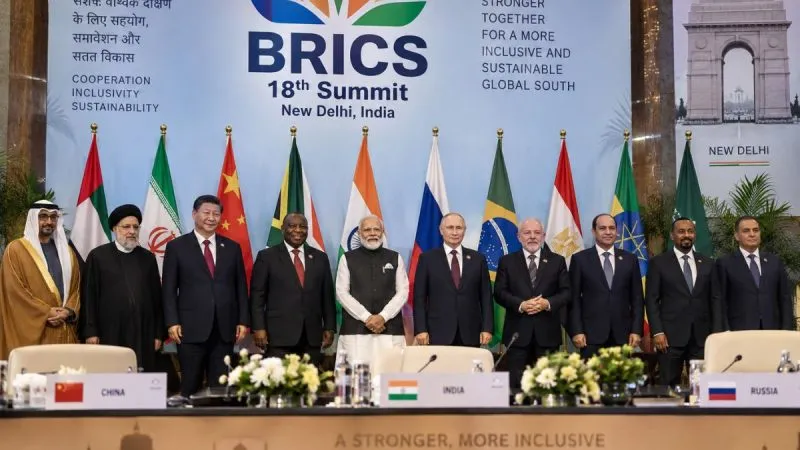
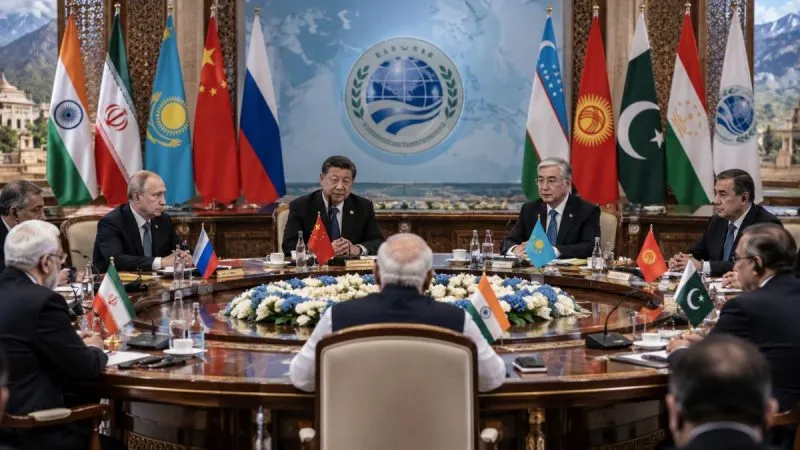
The most contentious element of the approved text grants the executive branch sweeping authority to impose up to 100 percent punitive tariffs on the primary global buyers of Russian crude oil and natural gas.Nations that heavily rely on discounted energy imports to sustain domestic industrial growth find themselves directly in the crosshairs of this policy tool. While the original Senate text referred broadly to the largest volume importers without explicitly naming individual sovereign states, the implications for major developing economies like India and China are profound.
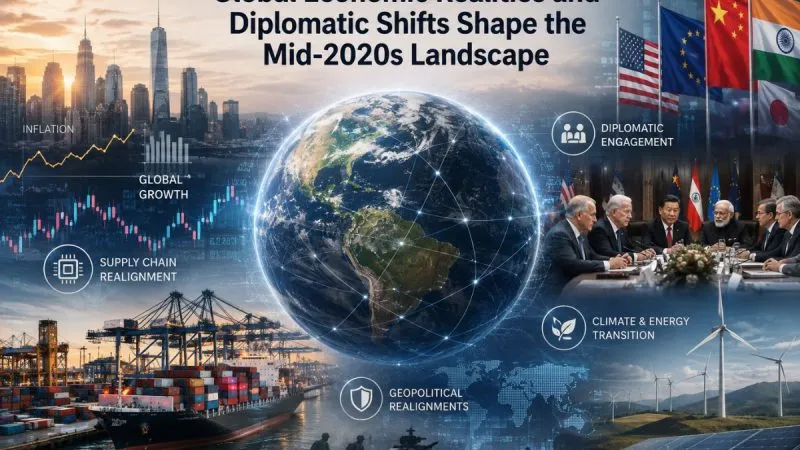
Since international energy markets shifted drastically following the onset of the conflict in Eastern Europe, countries like India have actively balanced national energy security with strategic autonomy, absorbing significant volumes of competitively priced Russian crude.Under the newly advanced framework, these nations risk severe trade penalties if the executive branch chooses to invoke the maximum penalty thresholds authorized by the act.Economists warn that such aggressive secondary tariffs could trigger widespread retaliatory trade measures, disrupt global supply chains, and introduce massive volatility into worldwide petroleum markets.
Domestic Political Resistance and Future Outlook
Within the domestic sphere, opposition to the bill has centered primarily on the expansion of presidential authority rather than the objective of isolating Moscow.Prominent Democratic leaders on foreign affairs committees voiced strong objections, arguing that granting unchecked tariff powers without strict congressional guardrails establishes a dangerous precedent for American trade policy.Critics caution that these broad powers could easily be repurposed beyond their initial geopolitical intent, impacting American consumers through higher imported goods prices and complicating broader diplomatic engagements.
Despite these hurdles, intense lobbying efforts spearheaded by international pro-Ukraine advocacy groups and visiting foreign officials have maintained heavy momentum on Capitol Hill.With the procedural hurdle cleared, the legislation heads rapidly toward a final floor vote before lawmakers break for an upcoming legislative recess.If the chamber grants final approval, the bill will proceed directly to the president’s desk for enactment, setting the stage for a major test of global economic diplomacy and international trade alignment.