Kasar Devi Temple: The Mysterious Himalayan Shrine Where Silence Speaks, Energy Flows, and the Goddess Still Dwells
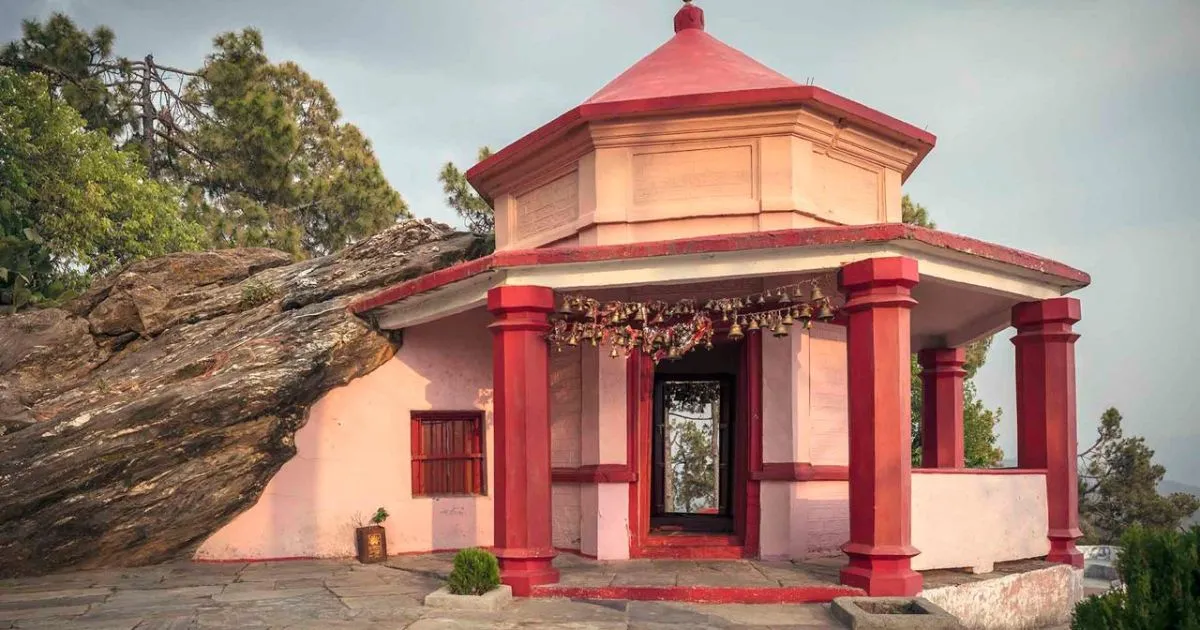
Kasar Devi — The Sacred Silence

The Legend: A Goddess Who Chose the Ridge
They say the Devi came like a storm and a blessing. She arrived when the valley trembled beneath the weight of fear — when shadows had lengthened and the ordinary prayers of villagers failed to hold back the dark. In her compassion she stayed, and where her foot touched the earth the hill glowed. People spoke then of miracles: crops that steadied after a night of drought, a child cured when the village had lost hope, a soundless courage that rose like dawn.
The Temple: Simple Stone, Great Heart
The shrine itself is not ornate; it is a cave of quiet. No gilded spires, no throngs of marble; only a small sanctum where a worn idol rests and a lamp keeps vigil. Pilgrims come with jasmine and cloth, but what the Devi accepts most readily is surrender — the willingness to sit down and be still. In the cool of the sanctuary you feel her not as an image but as a presence, as if the whole rock remembers her name.

Sages, Seekers and the Magnetic Silence
In the hush of the hill, sages came to unburden. A young monk named Swami Vivekananda sat in meditation here and tasted a vastness that changed him. Later, poets and wanderers — Western mystics, writers, and the restless hearts of the 20th century — found their way along the same path. Crank’s Ridge, the nearby cliff of memory, became a quiet enclave for those who sought the inner flame instead of the outer world.
Festivals and the Lamp of Kartik
On the night of Kartik Purnima the temple fills with light. Lamps float like soft stars, and the chants rise and fold into the valley. Pilgrims bring stories and offerings; they leave with a small comb of courage tucked into their pockets. Yet when the lamps gutter and the pilgrims descend, the temple returns to its ordinary miracle: a stillness that does not belong to any single person but to everyone who comes.
Why People Return
There are those who come for miracles, those who come for the view, and those who come to be held. The last return with a change in their step — a slow steadiness, as if some tremor has been soothed. The Devi does not remove sorrow; she teaches how to sit with it. In her presence grief softens into patience, and loneliness finds company in the wind.
The Goddess’ Whisper
Of all the rituals, the simplest is the most true: close your eyes, breathe, and listen. The goddess speaks not in words but in a sudden unclenching of the chest, a memory of home. She answers not by changing your fate but by changing the way you face it. To sit at Kasar Devi is to remember that beneath noise there is a sanctuary; beneath fear there is a hand. That hand is the Devi’s, warm as ember, unending as dawn.
For more such soulful stories and powerful reads, follow RealShePower.