Are Everyday Household Products Secretly Ruining Women’s Hormones?
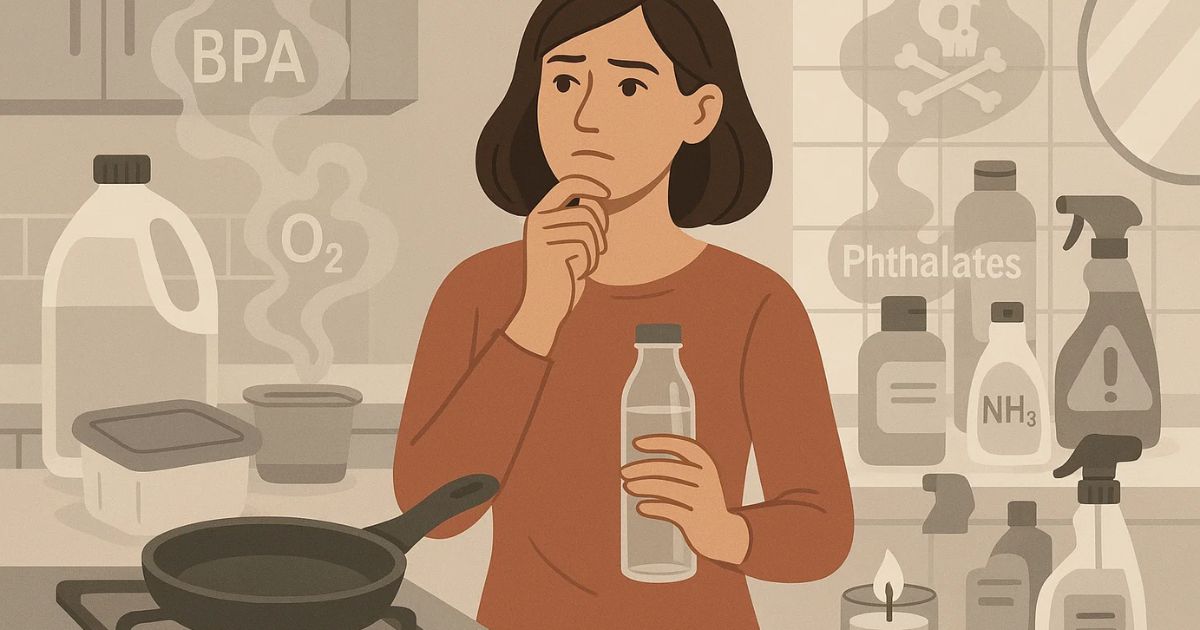
Walk into any home and you will see things that make life feel comfortable and safe. The lavender-scented candle burning on the shelf, the non-stick pan sizzling with dinner, the perfume bottle that feels like confidence in liquid form, or the plastic container holding your leftovers. They appear harmless, even nurturing. Yet, researchers are now sounding an alarm: these ordinary products may not be as innocent as they look.
A quiet revolution in women’s health research is uncovering how everyday household items could be interfering with hormones in ways that affect fertility, mood, weight, and long-term wellness. Women across the world are starting to ask the question: Could the things I use daily be silently sabotaging my body?
Understanding Hormones: The Body’s Invisible Orchestra
Hormones are like tiny messengers that keep the body’s systems in sync. They regulate metabolism, sleep cycles, mood, menstrual health, pregnancy, thyroid function, and even brain chemistry. Imagine them as the conductors of a symphony, when they are balanced, the music of the body flows smoothly. When they are disrupted, chaos creeps in.
Endocrine disruptors are chemicals that mimic, block, or interfere with hormones. They confuse the body into overreacting or underreacting. This disruption is not immediately obvious. It builds silently over time, leaving women vulnerable to conditions like PCOS, thyroid imbalance, infertility, early puberty, endometriosis, and even hormone-sensitive cancers.

The Everyday Culprits Lurking at Home
Scientists have mapped out the most common hormone-disrupting chemicals found in homes:
- BPA (Bisphenol A): Common in plastics and food can linings.
- Phthalates: Found in fragrances, vinyl flooring, and personal care products.
- Parabens: Preservatives in cosmetics and lotions.
- PFAS (“Forever Chemicals”): Non-stick cookware, waterproof fabrics, food wrappers.
- Triclosan: An antibacterial agent in soaps and some cleaners.
Now, let’s look at how they sneak into women’s daily lives:
1. Plastic Containers and Bottles
Most of us heat leftovers in plastic. When plastic is heated, BPA and related chemicals leach into food. Multiple studies have linked BPA to menstrual irregularities, PCOS, and infertility. Women with higher BPA levels in their blood are more likely to have disrupted ovulation cycles.
2. Non-Stick Cookware
PFAS chemicals, nicknamed “forever chemicals” because they do not break down, are used in non-stick pans. A 2023 Harvard study connected PFAS exposure to thyroid disorders and reduced fertility in women. Shockingly, they stay in the body for years.
3. Scented Candles and Air Fresheners
The calming aroma of a candle may be hiding phthalates. These chemicals extend the life of synthetic scents but also mimic estrogen, tricking the body. Research shows phthalates are linked to early puberty in girls and worsening endometriosis.
4. Beauty and Skincare Products
From lipsticks to moisturizers, parabens are everywhere. They act as preservatives but can behave like weak estrogen in the body. Cumulative exposure is the concern here, applying multiple products daily compounds the effect.
5. Cleaning Products
Household cleaning sprays and antibacterial soaps often contain triclosan. This chemical disrupts thyroid hormones, which control metabolism, energy, and even mood.
6. Processed and Packaged Foods
It is not just preservatives but the packaging itself. Food cans lined with BPA and wrappers coated with fluorinated chemicals release disruptors that sneak into meals.
How Hormonal Disruption Shows Up in Women’s Lives
Hormone imbalance is not always catastrophic at first. It seeps in quietly.
- Menstrual Irregularities: Missed or painful periods are often dismissed as “stress-related,” but endocrine disruptors are now being investigated as triggers.
- Unexplained Fatigue: Constant tiredness may link back to thyroid disruption from household chemical exposure.
- Fertility Struggles: More couples are facing unexplained infertility, with environmental factors playing a growing role.
- Mood Swings and Anxiety: Hormones regulate brain chemistry. Disruption increases risks of anxiety and depression in women.
- Early Puberty in Girls: Communities with high phthalate and BPA exposure report puberty onset years earlier than expected.
In India, fertility specialists are beginning to note rising cases of PCOS and delayed conception, often in young women who otherwise appear healthy. Globally, infertility rates are rising, and while lifestyle plays a role, environmental exposure cannot be ignored.

Why Women Are More Vulnerable
This is not about blaming women for using products. It is about acknowledging that women face higher exposure.
- Women use an average of 12 personal care products daily, compared to 6 for men.
- Pregnancy and breastfeeding years are especially sensitive, as exposure can affect both mother and child.
- Social expectations around beauty and cleanliness push women toward more product use.
In short, women’s biology and culture combine to make them the most affected.
Global Case Studies: The Warning Signs
- United States: In 2021, researchers found PFAS in the blood of 98 percent of Americans tested. Women with higher levels had lower fertility rates.
- Denmark: A national study showed girls exposed to high phthalates during pregnancy had earlier puberty onset.
- India: In Delhi, studies found BPA in packaged drinking water samples at levels known to affect reproductive health.
What Can Women Do?
Change starts with awareness. Here are practical steps:
- Switch to glass or stainless steel: for storing food and drinks.
- Choose safe cookware: Stainless steel, iron, or ceramic over non-stick.
- Read product labels carefully: Avoid parabens, phthalates, triclosan, and vague “fragrance” terms.
- Adopt natural cleaners: Vinegar, baking soda, and lemon work wonders.
- Buy fresh food when possible: Reduce exposure from packaged goods.
- Ventilate your home: Indoor air pollution builds up faster than most realize.
The Larger Fight: Policy and Awareness
While individuals can make choices, systemic change requires regulation. The EU has banned several endocrine-disrupting chemicals in cosmetics and household products. The U.S. and India lag behind. Without strong laws, consumers shoulder the burden.
The feminist angle is also crucial: why should women carry the health costs of industries cutting corners? If women are disproportionately impacted, then regulation becomes not just a public health issue but also a gender equity one.
A Generational Wake-Up Call
Women today are more informed and outspoken than ever. Social media platforms are buzzing with conversations around clean beauty, toxic-free living, and hormone health. TikTok and Instagram communities are exposing harmful products and demanding transparency.
But this conversation is not about fear. It is about power. The power to know, to choose, and to demand safer environments for ourselves and future generations.
The Bottom Line
Everyday household products are not neutral. They are active players in shaping women’s health. The silent accumulation of endocrine disruptors affects periods, fertility, mood, and even the next generation.
Women deserve better. Better products, better transparency, and better health protections. Until then, awareness and small daily choices can be our shield.
So the next time you pick up that scented candle or plastic container, pause and ask yourself: Is this convenience worth the invisible cost?
Because when it comes to hormones, what you do not see can hurt you the most.