
The Battle of Kasahrada (1178): Rajmata Naiki Devi’s Triumph – Muhammad Ghori’s First Defeat on Indian Soil

Rajmata Naiki Devi’s Triumph – Muhammad Ghori’s First Defeat on Indian Soil
In the late 12th century, the prosperous Chaulukya (Solanki) kingdom of Gujarat stood as a beacon of wealth and culture in western India, with its grand capital at Anhilwara Patan. Ruled by the young king Mularaja II, who had ascended the throne as a minor around 1175 CE after the death of his father Ajayapala, the realm was governed in practice by his resolute mother, Queen Regent Naiki Devi. This period of regency would soon witness one of the most remarkable defensive victories in medieval Indian history – the Battle of Kasahrada, where Naiki Devi led a confederacy of Rajput forces to inflict a crushing defeat on the invading Ghurid army under Muhammad of Ghor.
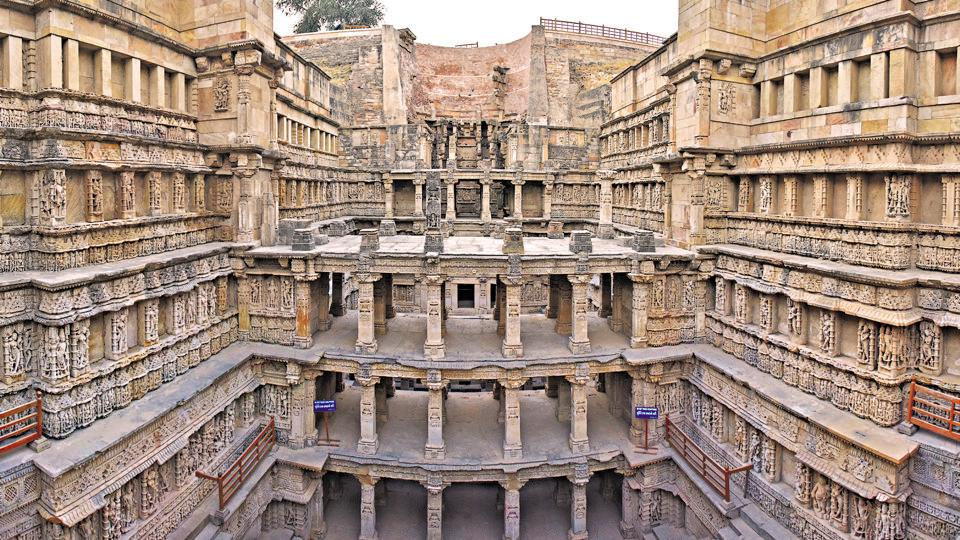
Muhammad of Ghor, having consolidated power in Ghazni and Afghanistan, began his expansions into India in 1175 by capturing Multan and Uch in Sindh. Emboldened by these successes, he turned his ambitions southward in 1178 CE, marching a large army across the harsh Thar Desert toward the rich lands of Gujarat. His route took him through western Rajputana, aiming for Anhilwara Patan, the Chaulukya capital renowned for its temples and prosperity. Gujarat offered not only wealth but a strategic gateway deeper into the Indian heartland.
As the Ghurid forces advanced, exhausting themselves in the desert heat, Naiki Devi mobilized a swift response. Drawing on alliances with neighboring Rajput chiefs – including Kelhanadeva of Nadol (Naddula), his brother Kirtipala of Jalore, and Dharavarsha (Dharnivaraha), the Paramara ruler of Abu – she assembled a confederate army. Contemporary sources, such as the 13th-century Persian chronicle Tabaqat-i Nasiri by Minhaj-i-Siraj, describe the Chaulukya forces as well-equipped, with a formidable contingent of war elephants that played a crucial role in the battle.
The clash occurred at Kasahrada (also known as Kayadara or Gadararaghatta), a rugged pass near the foothills of Mount Abu in present-day Sirohi district, Rajasthan. This terrain favored the defenders, restricting the mobility of Ghori’s cavalry while allowing the Chaulukya elephants and infantry to dominate. According to the 14th-century Jain text Prabandha Chintamani by Merutunga, Naiki Devi herself led the army, reportedly carrying her young son Mularaja on her lap as a symbol of resolve, charging into battle and routing the invaders.
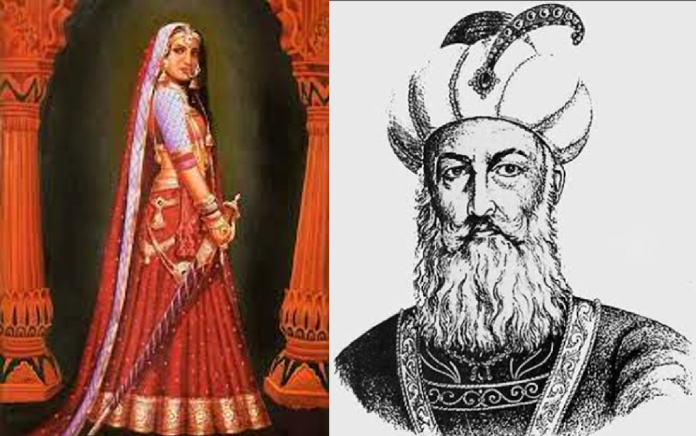
Minhaj-i-Siraj records that despite the youth of the “Rae of Nahrwala” (the Chaulukya king), his army was vast and powerful. In the fierce engagement, the Ghurid forces suffered heavy losses, and Muhammad of Ghor himself was wounded. The invaders were forced into a humiliating retreat back across the desert, with survivors struggling to reach Multan. Later inscriptions, including the Sundha Hill inscription of 1319 CE (Samvat), credit Kirtipala and his allies for routing the Turushka (Ghurid) army at Kasahrada, while a 1178 CE Kiradu inscription notes repairs to a temple damaged by the “Turks,” underscoring the invasion’s impact.
This defeat marked Muhammad Ghori’s first major setback on Indian soil. Shattered in pride and resources, he never again attempted to conquer Gujarat, turning instead northward through the Khyber Pass toward Punjab and the Gangetic plains in subsequent years. Some historians note a minor discrepancy in sources: Muslim chronicles occasionally refer to the defender as “Bhim Dev,” likely conflating with Bhima II, who succeeded Mularaja II shortly after in 1178 CE. However, the consensus from Chaulukya-era accounts and inscriptions attributes the victory to Naiki Devi’s regency and leadership during Mularaja’s minority.





:%20Rajmata%20Naiki%20Devi’s%20Triumph%20–%20Muhammad%20Ghori’s%20First%20Defeat%20on%20Indian%20Soil)