Where Indian Bridal Fashion Really Comes From

The Hidden History of Indian Bridal Fashion: From Banarasi Queens to Bollywood Brides
A civilizational story — not of borrowed opulence, but of indigenous craft, royal ateliers and living traditions that predate any foreign court.

Indian bridal fashion is not a late arrival. It is the progenitor. From hand-spun muslin and temple-gold jewellery to Banarasi brocades and Rajput poshaks, the subcontinent crafted luxury, technique and symbolism long before anyone arrived to admire it.
Photo: Handloom Banarasi weave.
Introduction: India’s Ancient Textile Sovereignty
Long before global trade charts or medieval courts spotlighted Indian crafts, Bharat was a centre of textile sophistication. Vedic texts, archaeological finds and travelers’ records document silk, muslin, gold-thread weaving and gem trade that made India a luxury exporter for centuries. The term Sone Ki Chidiya — the golden bird — didn’t come from nowhere: it reflected a millennia-old reality.
Ancient Aesthetics: Colour, Fabric and Ritual
Red — representing Shakti, fertility and auspiciousness — is the oldest bridal color recorded across the subcontinent. Women adorned themselves with finely woven cottons and silks, gold borders, and jewelry long before any foreign court arrived. Bridal dress was always ritualised: a coded language of identity, region, family and status.
Rajputana: Where the Lehenga Truly Belongs
The ghaghra–choli–odhni — the ancestor of the modern lehenga — finds deep roots in the Rajputana and western Indian cultural sphere. Rajput queens, mercantile households and courtly bards documented these silhouettes in paintings, frescoes and oral histories centuries before external dynasties arrived. Embroidery techniques such as gota patti, bandhani, mirror work and regional motifs are indigenous developments that showcase local aesthetics and climatic adaptations.
What Rajput Bridal Dress Represented
- Ghaghra (skirt) — crafted for movement and ceremony
- Choli (blouse) — fitted, often layered with decorative panels
- Odhni (veil) — symbolic modesty and regional identity
- Poshak — the full regal outfit worn by queens
South India: Kanjeevaram & Temple Gold — Civilisation in Cloth and Metal
The Kanjeevaram tradition — silk woven with gold-zari — and the temple jewellery of the Chola and Pallava eras predate many written records of later courts. Temples themselves were patrons of art and jewellery; deities were adorned with the finest gold and silk, and those patterns migrated into bridal wardrobes. The South’s bridal identity has always been one of gold-rich textiles and artisanal precision.
Banaras: The Loom That Wove Empires
Varanasi (Banaras) was a textile capital centuries before it became a favourite of any foreign court. Banarasi brocades, with their jaal, butidar and kadwa patterns, were woven for Hindu royal households and temple ceremonies. These weaves later gained wider audiences, but their origins are firmly local and ancient.
Colonial Disruption and the Handloom Revival
British colonial policies damaged many indigenous crafts but also inadvertently sparked movements of reclaiming and reviving handlooms. The Swadeshi movement made wearing handloom sarees a patriotic choice. Brides used their trousseaus to assert regional pride: Kanjeevaram, Banarasi, Paithani, Jamdani and Chanderi became symbols of resistance and identity.
Bollywood: Amplifier, Not Originator
Cinema magnified and popularised bridal looks but rarely created them ex nihilo. Movie fashion drew from existing crafts — a Sabyasachi or a Kanjeevaram wasn’t born on a film set; it was rediscovered there. Celebrity brides and film costumes crystallised trends, making certain regional looks pan-Indian, but the creative well remained India’s own artisans and royal households.
Modern Brides: Identity, Storytelling & Sustainability
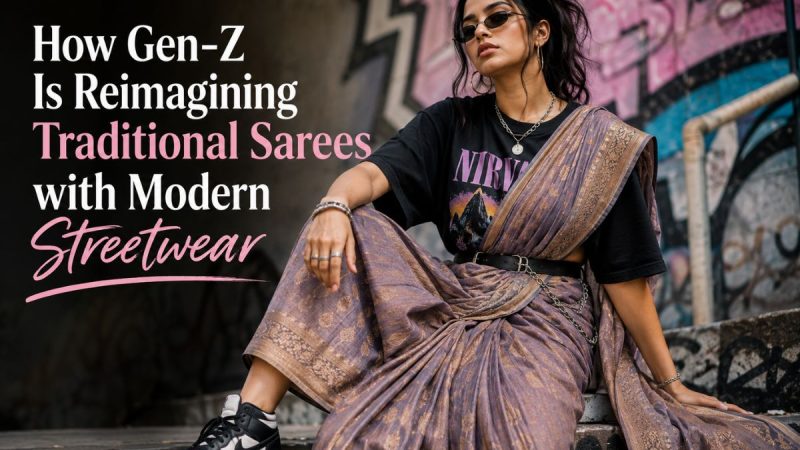
Contemporary brides are curators of meaning. They choose heritage silks, repurposed heirlooms, sustainable artisanal labels and personalised embroidery. The bridal wardrobe of 2025 is less about imported aesthetics and more about layered histories — a saree that belonged to a grandmother, a Banarasi reused as a lehenga, Kanjeevaram paired with modern jewellery.
RealShePower’s Reflection
At RealShePower, we believe truth matters. The story of India’s bridal fashion is a story of our agency, artistry and endurance. When a bride walks to the mandap draped in Banarasi or Kanjeevaram, she carries thousands of years of hands, looms and songs. Our job as storytellers is not to dilute that truth — it is to amplify it.
Suggested Reads: Designers 2025 | Wedding Color Palettes | Jewelry Trends 2025 | Sustainable Wedding Fashion | Main Wedding Style Guide