How to Make Mehendi at Home: A Complete Guide
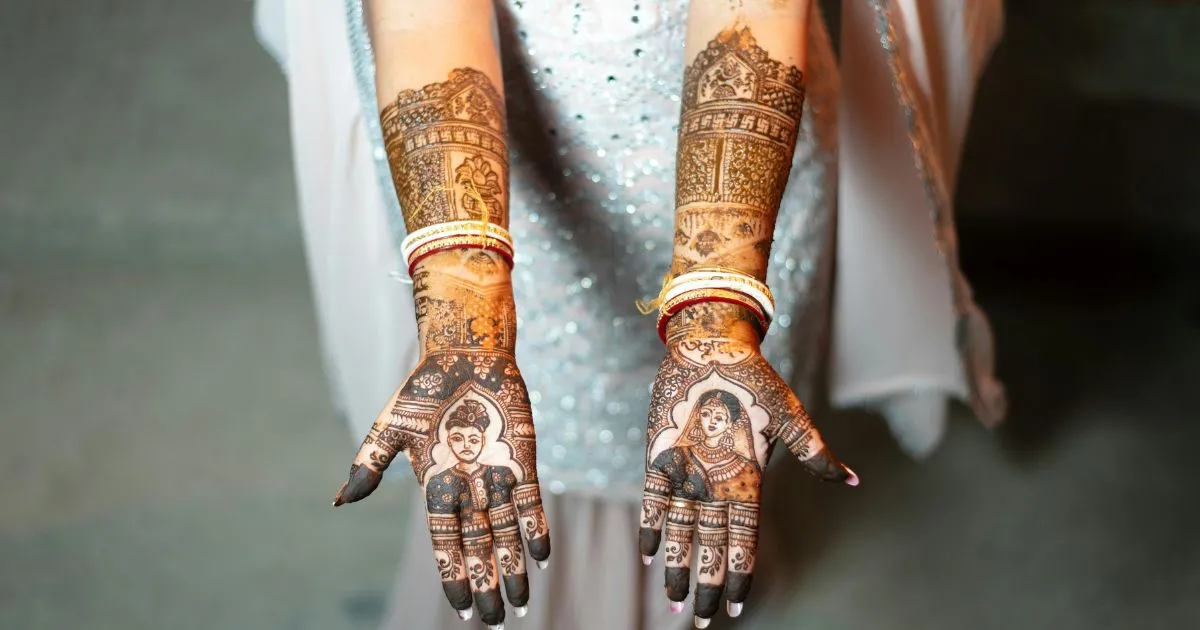
Mehendi (or henna) is more than just a temporary body art. It’s tradition, celebration, and beauty wrapped in one. From weddings and festivals to casual self-care, applying mehendi is a cherished ritual across cultures. And while ready-made mehendi cones are easily available, nothing beats the charm, richness, and safety of homemade mehendi paste.
If you’ve ever wondered how to make mehendi at home that stains beautifully, smells divine, and feels authentic—this guide is for you.
Table of Contents
Why Make Mehendi at Home?
Before jumping into the recipe, let’s talk about why homemade mehendi is worth the effort:
- Natural and Chemical-Free – Store-bought cones often contain artificial dyes or chemicals that may irritate the skin. Homemade mehendi is 100% natural.
- Richer Color – Freshly ground and mixed henna stains better than most pre-packed versions.
- Customizable – You control the consistency, aroma (with essential oils), and shade intensity.
- Budget-Friendly – Mehendi leaves or powder are inexpensive, and you can make large batches easily.
Ingredients You’ll Need
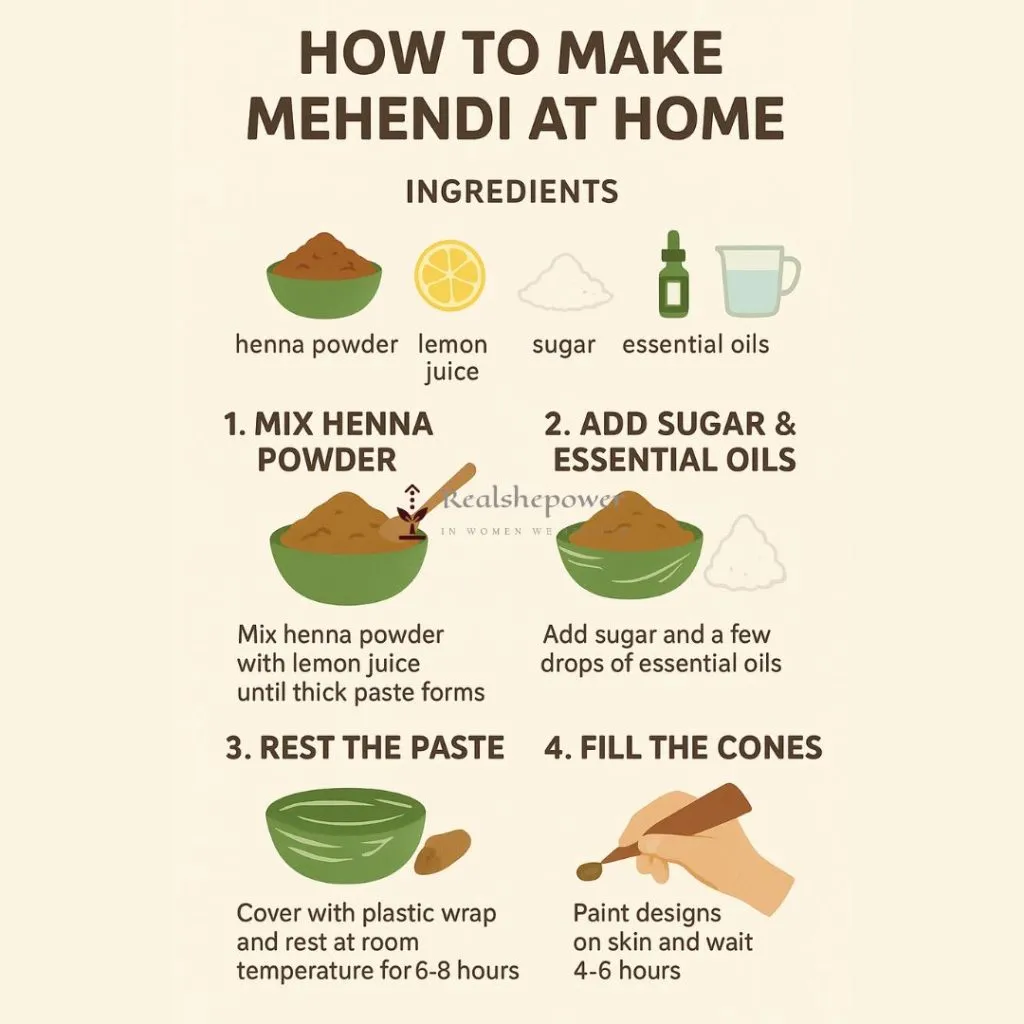
To make mehendi paste at home, you’ll need a few simple ingredients:
- Henna powder (from dried mehendi leaves) – 100 g (or as needed)
- Lemon juice – 2-3 tablespoons (acts as a natural acidic agent)
- Sugar – 1 teaspoon (to help paste stick to skin)
- Essential oils (like eucalyptus, tea tree, or lavender) – a few drops
- Plastic wrap (to cover the mixture while resting)
- Water – as needed to adjust consistency
Optional: If you want darker color, you can also add:
- Black tea decoction (instead of plain water)
- Coffee powder (a pinch)
- Cloves (boiled in water for mixing)
Step-by-Step Method
1. Choose Quality Henna Powder
- If you’re starting from scratch, dry mehendi leaves in shade (not under direct sun, as it dulls the color), and grind them into a fine powder.
- If buying readymade powder, look for 100% natural henna powder with no added chemicals. The greener and finer the powder, the better the stain.
2. Mix the Base Paste
- Take henna powder in a clean glass or steel bowl.
- Add lemon juice gradually while stirring. This acidic medium releases the dye from the powder.
- Keep mixing until you get a thick, toothpaste-like paste.
3. Enhance with Natural Boosters
- Add sugar—it keeps the paste moist and helps it stick to the skin.
- Add a few drops of essential oil (like eucalyptus or tea tree). These oils improve color release and add fragrance.
4. Rest the Paste
- Cover the bowl tightly with plastic wrap.
- Leave it at room temperature for 6–8 hours (overnight is best).
- This allows dye molecules to release fully, ensuring a darker stain.
5. Adjust Consistency
- After resting, check the paste.
- Add water (or tea/clove water) gradually until it reaches a smooth, creamy consistency—like yogurt.
- It should not be too runny or too thick; otherwise, it will either drip or clog the cone.
6. Fill the Cones
- Take a plastic sheet or ready-made empty mehendi cones.
- Fill the prepared paste carefully into the cone.
- Seal the top tightly with tape or rubber bands.
7. Application Tips
- Wash hands thoroughly before applying (no lotion or oil).
- Apply mehendi designs and leave for at least 4–6 hours, preferably overnight.
- Once dried, dab with a mixture of lemon juice and sugar for a darker stain.
- Scrape off the dried mehendi (do not wash with water immediately).
- Avoid contact with water for 12–24 hours for best results.
Natural Hacks to Darken Mehendi Color
- Warm your hands over clove smoke after scraping mehendi.
- Apply a thin layer of mustard oil or balm after removing the dried paste.
- Avoid washing hands with soap for the first 24 hours.
Common Mistakes to Avoid
- Using old henna powder – it loses dye strength.
- Adding too much liquid – results in runny paste that won’t hold patterns.
- Applying on oily skin – mehendi won’t stick properly.
- Not resting the paste – skipping this step means lighter color.
Final Thoughts
Making mehendi at home is not just about creating a paste—it’s about preserving tradition, enjoying a natural art form, and adding your personal touch to celebrations. The process is simple, budget-friendly, and gives you peace of mind knowing what exactly you’re applying on your skin.
So next time you’re preparing for a wedding, Karva Chauth, or simply want to try body art, skip the market cones and mix your own mehendi at home. Trust me, the results will be richer, darker, and far more satisfying!