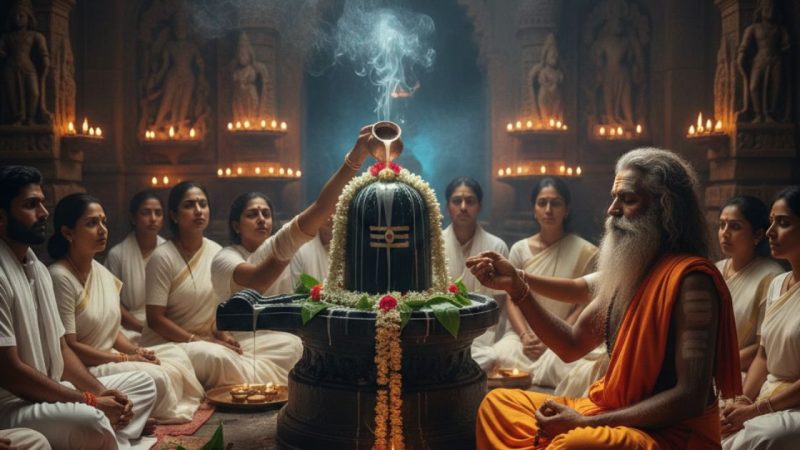
Shakti Peeths: The Sacred Geography of the Divine Feminine
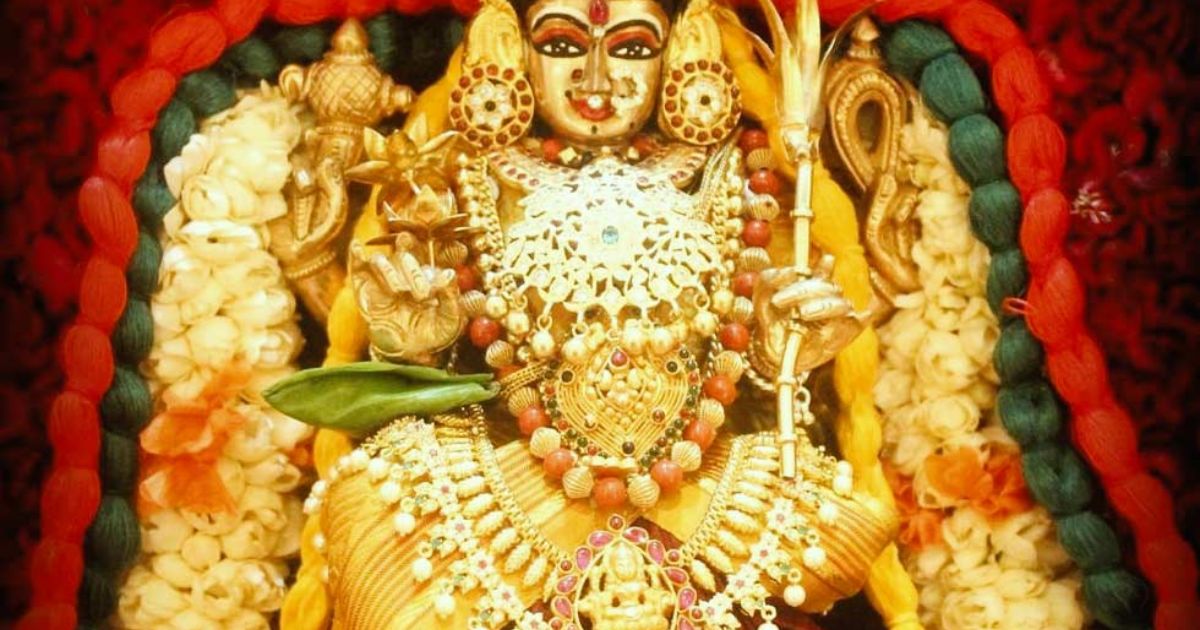


In the spiritual imagination of the Indian subcontinent, Shakti Peeths are not merely temples. They are sites of cosmic memory where grief turned into creation, where loss became power, and where the Divine Feminine anchored herself into the physical world.
To understand Shakti Peeths is to understand Shakti itself: not passive divinity, but raw, generative, destructive, regenerative force.
The Origin Story: When Sorrow Reshaped the Cosmos
The legend of the Shakti Peeths originates from the story of Sati, Shiva, and Daksha.
Sati, daughter of Daksha and consort of Shiva, self-immolated after Daksha publicly insulted Shiva. Enraged and inconsolable, Shiva carried Sati’s charred body across the universe, performing the Tandava a dance so violent it threatened cosmic collapse.
To restore balance, Vishnu used his Sudarshan Chakra to dismember Sati’s body. Wherever a part fell, Shakti Peeths emerged.
These were not random places.
They became energy anchors—points where divine feminine consciousness permanently settled.
What Exactly Is a Shakti Peeth?
A Shakti Peeth is a sacred site where:
- A body part, ornament, or energy aspect of Goddess Sati is believed to have fallen
- The Goddess is worshipped as Shakti
- Shiva is present as Bhairava, her eternal consort and guardian
Together, they represent creation and consciousness, power and restraint, destruction and protection.
How Many Shakti Peeths Are There?
The number varies across texts:
- 51 Shakti Peeths – most commonly referenced (linked to Sanskrit alphabet)
- 52 or 108 – mentioned in certain Tantric and Puranic traditions
Regardless of the count, their geography spans:
- India
- Nepal
- Bangladesh
- Sri Lanka
- Pakistan
- Tibet
This wide spread reinforces one truth:
Shakti transcends borders.
Major Shakti Peeths and Their Significance
Kamakhya Temple (Assam)
- Fallen part: Yoni (womb)
- Symbolism: Creation, fertility, menstruation
Kamakhya is radical. It worships the Goddess not as purity, but as biological power. The annual Ambubachi Mela celebrates the Goddess’s menstrual cycle—a theological rebellion against shame and silence.
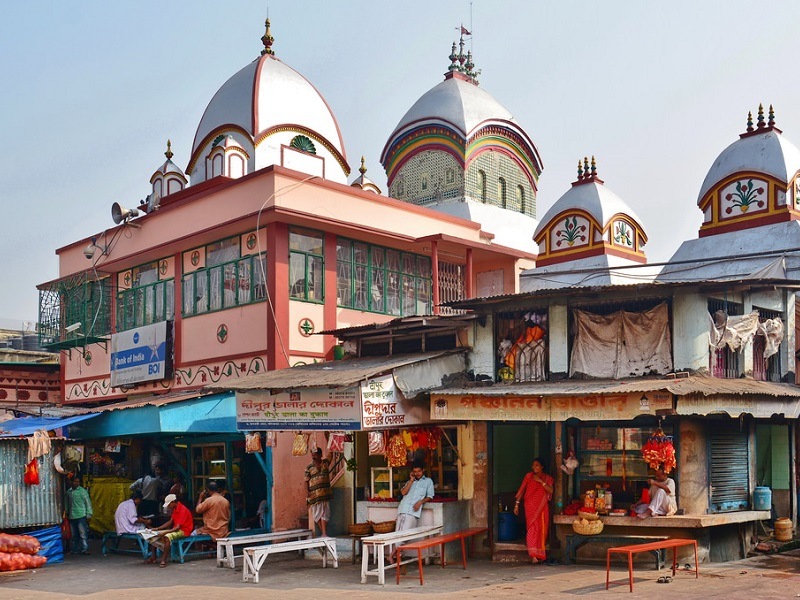
Kalighat Temple (West Bengal)
- Fallen part: Toes
- Symbolism: Time, death, liberation
Here, Kali is unapologetically fierce. Kalighat does not sanitize femininity—it confronts mortality, ego, and illusion head-on.
Vaishno Devi (Jammu & Kashmir)
- Fallen part: Right arm
- Symbolism: Protection, resolve, righteous power
Pilgrims walk miles chanting devotion—because Shakti here is earned through endurance, not spectacle.
Jwalamukhi Temple (Himachal Pradesh)
- Fallen part: Tongue
- Symbolism: Sacred speech, divine fire
No idol. Only eternal flames erupting from the earth. Jwalamukhi reminds us that Shakti does not need form to exist.
Hinglaj Mata (Pakistan)
- Fallen part: Head
- Symbolism: Pilgrimage, survival, ancient continuity
One of the oldest Shakti Peeths, revered even by local Muslim communities. Faith here outlived empires.
The Role of Bhairava: Why Shiva Is Always Present
Every Shakti Peeth includes Bhairava, a fierce form of Shiva.
This pairing matters.
Shakti without Shiva is unchecked force.
Shiva without Shakti is inert consciousness.
Together, they reflect the universe’s deepest law:
Power must be balanced by awareness.
Tantra, Not Just Devotion
Shakti Peeths are central to Tantric practice.
Here, the body is not denied—it is sacred geography.
Desire is not sin—it is energy.
The feminine is not symbolic—it is cosmic authority.
This is why many Shakti Peeths:
- Are active during night rituals
- Emphasize yantras over idols
- Focus on direct experience rather than moral preaching
Why Shakti Peeths Still Matter Today
In a world uncomfortable with female anger, sexuality, autonomy, and power, Shakti Peeths stand as theological counter-statements.
They declare:
- The feminine bleeds and that bleeding is sacred
- Rage can be divine
- Creation is messy
- Power is not polite
Long before modern feminism, Shakti Peeths canonized the truth:
The universe runs on feminine force.
Shakti Is Not Gentle. She Is Necessary.
Shakti Peeths are not soft spiritual tourism spots.
They are energetic fault lines where devotion meets danger, where surrender meets strength.
To bow at a Shakti Peeth is not to ask for blessings alone.
It is to stand before raw power and say:
I am ready to face myself.