The Fall of a Leader: Iran’s 2026 Crisis and the Battle for Power
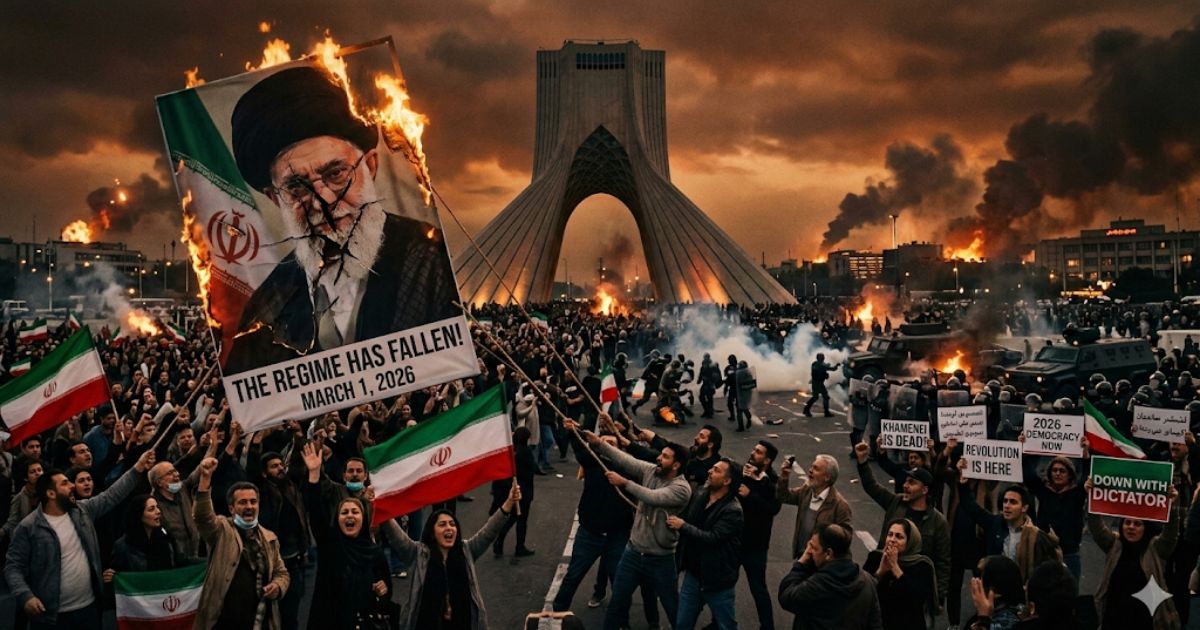
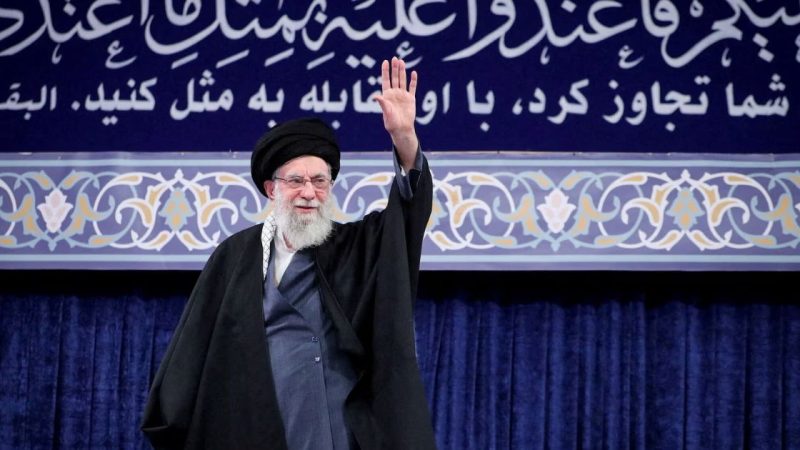
As of March 1, 2026, the Islamic Republic of Iran is facing a collapse of its central authority. Following months of internal revolution and a devastating military strike by the United States and Israel, the Iranian government has officially confirmed the death of Supreme Leader Ayatollah Ali Khamenei.
The death of the 86-year-old cleric, who ruled with an iron fist since 1989, has left the nation in a state of chaotic transition. Here is a breakdown of what happened and who might take control next.
The Events of “Black Saturday”
On February 28, 2026, the U.S. and Israel launched Operation Epic Fury and Operation Roaring Lion. These were not limited strikes; they were a massive, coordinated air campaign targeting Iran’s top leadership and nuclear infrastructure.
President Donald Trump announced the operation on social media, stating that the strikes were necessary to prevent Iran from completing a nuclear weapon. Israeli Prime Minister Benjamin Netanyahu confirmed that Israeli jets targeted the Supreme Leader’s compound in Tehran with “bunker-buster” munitions. Early on March 1, Iranian state media (IRIB) broadcasted the message: “The Supreme Leader has reached martyrdom,” ending decades of his rule.
The Domestic Revolution: “The Merchant Strike”
While missiles fell from the sky, the streets were already on fire. Since late 2025, Iran’s economy had been in a freefall. The rial (Iran’s money) hit a catastrophic low of nearly 1.5 million to the dollar, making food and medicine unaffordable for the average family.
In January 2026, the “Grand Bazaar” merchants—historically a pillar of the regime—closed their shops in protest. This triggered a nationwide uprising. Unlike previous protests, this movement saw a unified front between the working class, students, and even some low-ranking members of the security forces. The regime’s response was brutal; human rights groups like HRANA estimate that over 7,000 people were killed in the first two months of 2026 alone.
The Power Vacuum: Who is Next?
With Khamenei dead, a fierce struggle for the “Throne of the Jurist” has begun. According to the Iranian Constitution, the Assembly of Experts (a group of 88 clerics) must choose the next leader. However, because the country is currently at war, the transition is far from simple.
| Candidate | Background | Outlook |
| Mojtaba Khamenei | The Supreme Leader’s son. | Heavily supported by the IRGC (Revolutionary Guard), but many Iranians view his potential rule as an illegal “monarchy.” |
| Alireza Arafi | Head of Iran’s seminary system. | A traditional hardliner who would represent “Khamenei-ism without Khamenei.” |
| The Leadership Council | A 3-person emergency committee. | Likely composed of the President, the Chief Justice, and a senior cleric to stabilize the country during the war. |
| The People’s Choice | Pro-democracy opposition. | Led by figures like Prince Reza Pahlavi (in exile), calling for a secular referendum and an end to clerical rule. |
The Military Factor
The most dangerous player in this transition is the Islamic Revolutionary Guard Corps (IRGC). They control the country’s missiles, its major businesses, and its internal security. With the clerical leadership in shambles, many analysts believe the IRGC might stage a military coup to prevent the government from collapsing entirely. This would turn Iran from a “Theocracy” (rule by religion) into a “Stratocracy” (rule by the military).
What Happens Now?
The world is now waiting for a “Counter-Strike.” Iran has already fired dozens of missiles at U.S. bases in the Gulf and at Israeli cities. If the military continues to retaliate, the U.S. has threatened to “annihilate” the Iranian Navy and further degrade its military capacity.
For the people of Iran, the next few days are a gamble. They are celebrating the end of a dictator while simultaneously hiding from airstrikes and the IRGC’s crackdown. The “Greatest Chance” for democracy that President Trump spoke of has arrived, but it has come at a staggering cost in human lives.
MUST READ
The Fall of a Leader: Iran’s 2026
Key developments in Iran’s political crisis and leadership shift after the dramatic regional escalation in 2026.
The Battle for Power: Key Dynamics and Contenders
The power vacuum is real but contested—analysts describe it as diffuse, with no clear heir Khamenei publicly designated. Succession is complicated by ongoing strikes, making it hard for the Assembly of Experts (88 clerics) to convene safely.
- Hardline/IRGC faction dominance — Many observers warn the Islamic Revolutionary Guard Corps (IRGC) could seize effective control, especially after losing top commanders but retaining deep economic/military networks. A more aggressive military-led regime is a real risk.
- Clerical continuity — Figures like Alireza Arafi or others from the Guardian Council/Assembly of Experts could push for a swift clerical successor to maintain the status quo.
- Potential moderates/pragmatists — Names like judiciary head Mohseni-Ejei, Ali Asghar Hejazi (Khamenei’s former chief of staff), or even Hassan Khomeini (grandson of the revolution’s founder) have circulated, but experts say true moderates are unlikely in the current hardline system.
- Broader risks — No major defections yet; some streets see celebrations (fireworks in anti-regime areas), others mourning/counter-protests. Protests could surge if strikes persist, but the regime’s coercive apparatus remains resilient. Scenarios range from quick hardline appointment → IRGC takeover → prolonged chaos/civil strife.
Broader War Context
- ran continues missile/drone retaliation across the region (hits in Israel, Gulf US bases, Saudi Arabia, etc.), with threats to close the Strait of Hormuz fully.
- US/Israel strikes expand (e.g., into Lebanon against Hezbollah), oil prices surge, and markets slide amid fears of prolonged disruption.
- Trump signals the campaign could last “weeks” (4–5 or more), rejecting talks with current leadership but open to a “new” one—while emphasizing regime change hopes via Iranian people rising up.
Iran’s regime appears battered but not collapsed yet—its decentralized power structure (designed post-Khomeini to avoid single-point failure) is being tested in real time amid war. The coming days/weeks will reveal if clerical hardliners consolidate, the IRGC asserts dominance, or internal fractures widen under bombardment. The battle for Iran’s future is far from over.