
Authentic Tibetan Po Cha (Butter Tea)
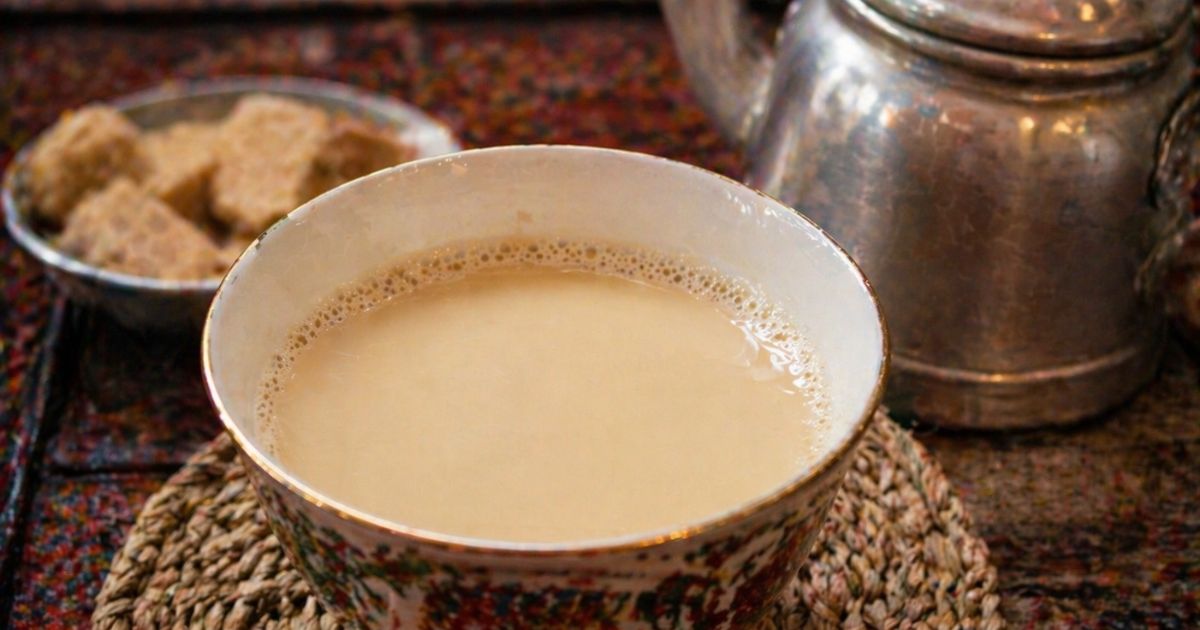
Authentic Tibetan Po Cha (Butter Tea) is less of a tea and more of a warm, salty, high-calorie soup. While you won’t find yak butter in a typical supermarket, you can replicate the specific mouthfeel and gamey, funky undertones by combining high-quality dairy with one surprising secret ingredient.
The Supermarket Substitutes
To mimic the rich, fermented profile of yak butter, use this combination:
- Grass-fed Butter: Use an unsalted, high-fat butter (like Kerrygold). Grass-fed varieties have the yellow hue and higher beta-carotene levels similar to yak milk.
- Heavy Cream: Adds the silkiness of yak milk, which has much higher fat content than cow milk.
- The Secret: A tiny pinch of Blue Cheese or Goat Cheese. Yak butter is often slightly fermented/aged; a crumb of pungent cheese provides that authentic, slightly “funky” back-note that plain butter lacks.
Ingredients
- Tea Base: 2 tbsp Pu-erh tea or any strong loose-leaf black tea (Pu-erh mimics the fermented “brick tea” used in Tibet).
- Water: 4 cups.
- Fats: 2 tbsp Unsalted grass-fed butter + 1/4 cup Heavy cream.
- Salt: 1/2 tsp (adjust to taste—it should be distinctly savory).
- The Funk: 1 tsp of softened Goat Cheese (optional, for realism).
The Method
Traditional Po Cha is made in a Chandong (a long wooden churn), but a modern blender or a large thermos will give you the same frothy emulsion.
- The Concentrate: Boil the tea in 4 cups of water. Reduce heat and simmer for at least 10–15 minutes until the liquid is dark and pungent. Strain out the leaves.
- The Emulsion: Pour the hot tea into a blender. Add the butter, salt, cream, and cheese.
- The Churn: Blend on high for 30 seconds. You are looking for a thick, frothy “head” on the tea, similar to a latte.
- The Serve: Pour into small bowls or mugs. In Tibet, it is often served alongside Tsampa (roasted barley flour).
Etiquette Note: If you are serving this to others, remember the “Rule of Refills.” In Himalayan culture, a guest’s cup should never be empty. As soon as a sip is taken, the host traditionally tops it back up to the brim.



)