Rabindra Jayanti: The Polymath’s Brand Strategy
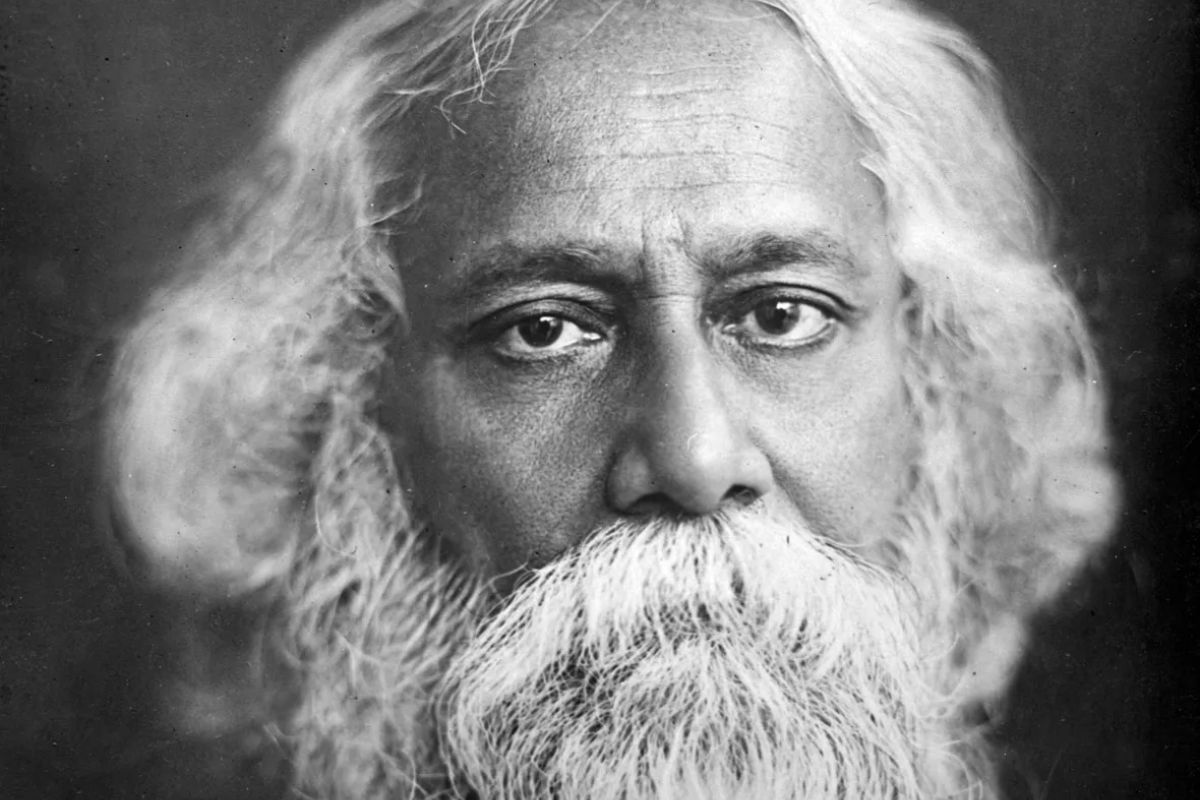
On May 9, 2026, we celebrate Rabindra Jayanti, the birth anniversary of Gurudev Rabindranath Thakur. While he is universally revered as a poet and the author of “Gitanjali,” Thakur was, in professional terms, the architect of the modern Indian “Cultural Export.” He didn’t just write literature; he designed a global brand for Indian thought that transcended borders and centuries.
The Global Nomad: Culture as Diplomacy
Long before the term “Soft Power” was coined, Rabindranath Thakur was its most effective practitioner. Between 1878 and 1932, he traveled to over 30 countries across five continents. He wasn’t just a tourist; he was treating Culture as Diplomacy.
By engaging with thinkers like Einstein, Yeats, and Romain Rolland, he bridged the chasm between the mystical East and the industrial West. He understood that for India to be respected globally, it had to export its intellectual and spiritual depth, not just its raw materials. He turned the “Indian Identity” into a premium global brand of universal humanism.
The Educational Disruptor: Shantiniketan as a “Startup”
Rabindranath Thakur’s most daring venture was Visva-Bharati in Shantiniketan. In an era of rigid, colonial “factory-model” schooling designed to produce clerks, Shantiniketan was his Educational Startup.
He envisioned a modular, nature-aligned learning environment where the classroom had no walls. Thakur’s “disruption” was rooted in the belief that true innovation happens when the mind is “without fear.” Today, in 2026, as we pivot toward “Green Schools” and holistic learning models to combat the burnout of the digital age, we are finally catching up to the blueprint Rabindranath Thakur drew over a century ago.