The Slow Travel Guide to Dehradun: A 48-Hour Heritage & Soul-Food Itinerary
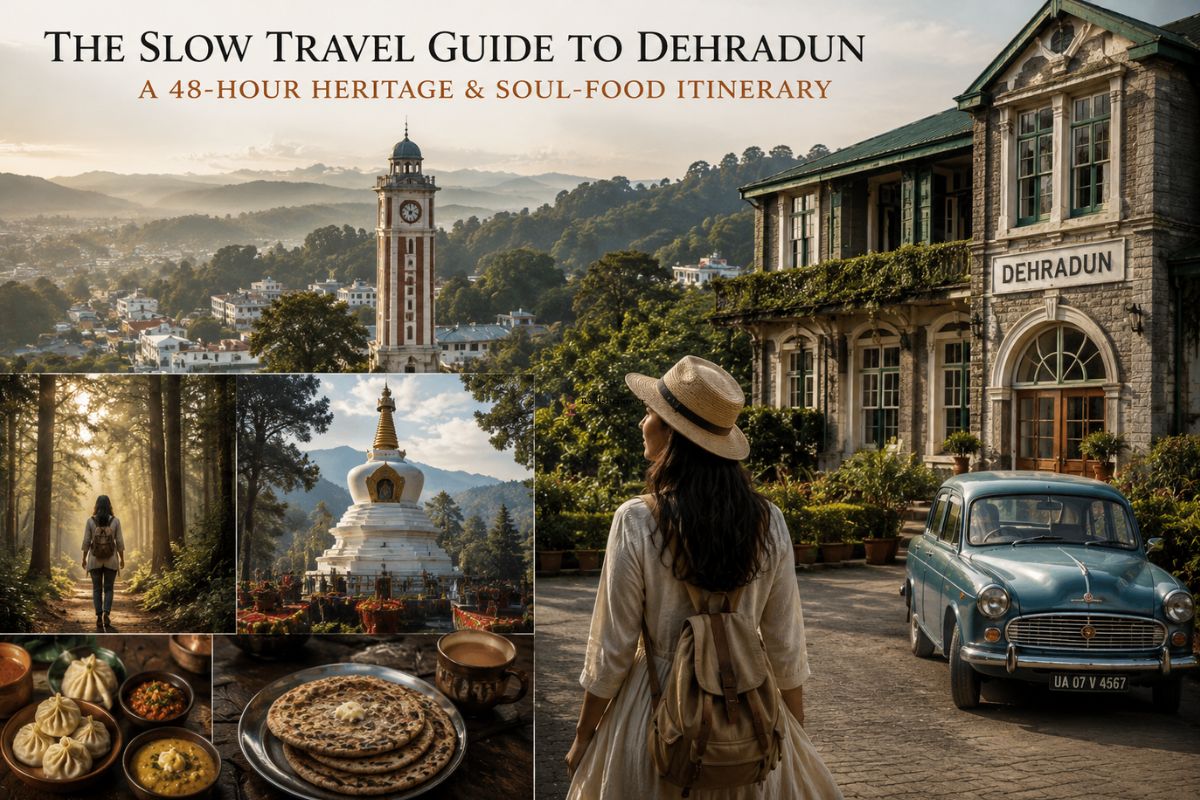
Reclaiming the Valley of Doon
For decades, Dehradun suffered the “transit curse” a mere pitstop where travelers stretched their legs before ascending to the colonial heights of Mussoorie. But as we move through 2026, a seismic shift has occurred in the way we traverse the mountains. The modern traveler is no longer chasing “checkpoints”; they are chasing “contexts.”
Welcome to the era of Slow Travel. In the Doon Valley, this movement is defined by a refusal to rush. It is about trading the high-decibel tourist traps of Rajpur Road for the whispered secrets of the Tirthan-like serenity found in Dehradun’s peripheral foothills. To truly experience this region is to engage with its “Genie” spots—places where authenticity, sustainability, and the raw flavors of Uttarakhand converge. This 48-hour guide is designed to help you peel back the layers of the valley, moving beyond the surface to find the soul of the Shivaliks.
Day 1: Heritage, Literary Whispers, and High-Altitude Bites
Morning: The Intellectual Awakening at Maulyar BookCafe
Your slow-travel journey begins not with a sight, but with a story. Tucked away in the quiet, tree-lined residential expanse of Vasant Vihar, Maulyar BookCafe acts as the unofficial guardian of Dehradun’s literary heritage.
In a world of digital noise, Maulyar is a sanctuary of silence. The architecture encourages a “stay a while” philosophy.
- The Ritual: Order a pot of locally sourced Rhododendron (Buransh) tea and browse their curated collection of Himalayan folklore. Understanding the myths of the mountains—the legends of the Acheris (fairies) or the history of the Chipko movement—changes how you view the landscape later in the day.
- Why it’s Slow Travel: It forces you to disconnect from your itinerary and reconnect with the local narrative.
Afternoon: The Ascent to Orchard
By mid-afternoon, it’s time to move toward the northern edge of the city, where the urban sprawl gives way to the sal forests. Orchard, located near MDDA Park, is a masterclass in “hidden” gastronomy.
As discussed in our Hidden Gastronomy Guide, Orchard isn’t just about the food; it’s about the geography. Perched on a cliffside, the restaurant offers a panoramic view of the valley that remains largely untouched by commercial hoardings.
- The Flavor: While their Tibetan specialties are legendary, try the Khow Suey. The slow-simmered coconut broth mirrors the pace of your trip—rich, layered, and comforting.
- Genie Pro-Tip: Don’t just leave after lunch. There is a narrow, lesser-known walking trail near the entrance of MDDA Park. Take a 20-minute stroll here to observe the changing flora of the valley; in May, the air is heavy with the scent of ripening lychees and blooming jasmine.
Evening: Sunset at the Edge of the World
End your first day by driving further up the Mussoorie road to First Gear Cafe. The name is literal—the incline to reach this spot is so steep that most vehicles require first gear. This physical “barrier to entry” keeps the loud crowds at bay.
- The Experience: Watching the sunset from here is a transformative experience. As the orange hue dips behind the mountains, the thousands of lights of the Doon Valley begin to twinkle like a fallen galaxy.
- The Comfort: Pair the view with their signature ginger-lemon-honey tea. It’s simple, humble, and perfectly aligned with the mountain lifestyle.
Day 2: The Culinary Soul and Conscious Living
Morning: Empowered Flavors at Chhaya Cafe
Your second day begins with a focus on “Conscious Consumption.” Chhaya Cafe, situated toward the quieter end of Rajpur, is more than a culinary destination; it is a social enterprise.
In 2026, the mark of a great traveler is the impact they leave behind. Chhaya supports local women’s collectives and prioritizes a “farm-to-fork” supply chain.
- The “Wow” Breakfast: Order the Buckwheat (Ogal) Pancakes topped with local honey. Buckwheat is a staple of high-altitude Uttarakhand, and here it is served with a contemporary twist that proves traditional grains belong on modern plates.
- The Vibe: The cafe’s garden setting allows for deep conversation, making it a favorite for “Change Makers” and thinkers in the valley.
Afternoon: The Main Event at Pahadi Rasoi
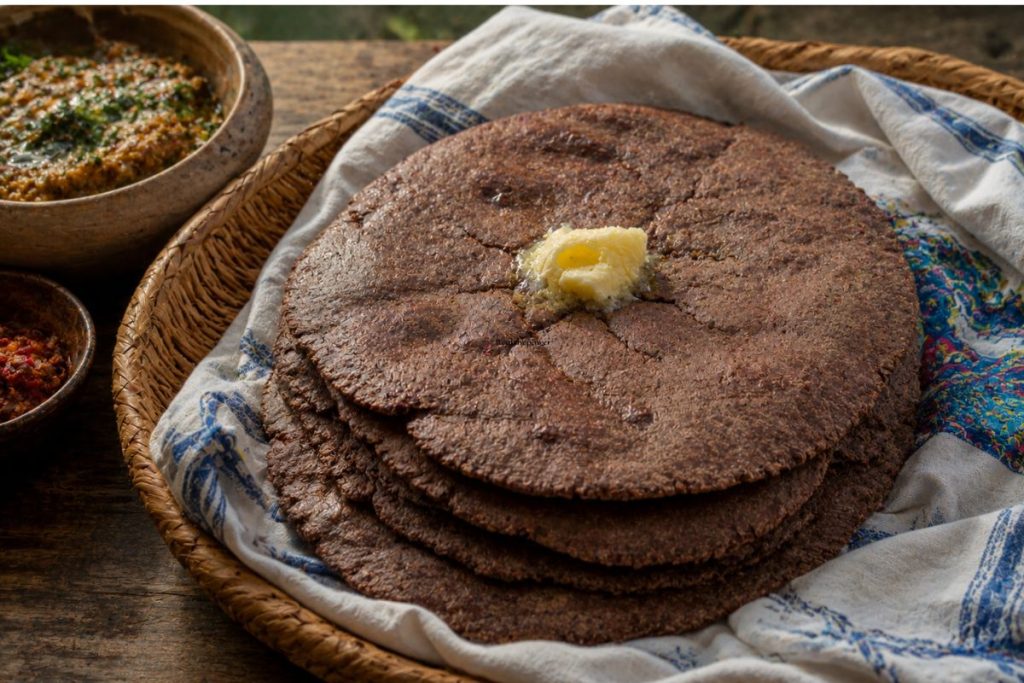
Lunch on Day 2 is a pilgrimage to the heart of Garhwali identity. To truly say you have “tasted” Dehradun, you must visit Pahadi Rasoi.
As we highlighted in our exclusive taste feature, the star of the show is the Kandalee ka Saag.
- The Science of the Stinga: This dish is made from the stinging nettle plant. The leaves are meticulously harvested, boiled to neutralize the sting, and then mashed into a velvety green curry.
- The Pairing: You must eat this with Mandua ki Roti (Ragi/Millet bread). The earthy, slightly bitter notes of the millet perfectly complement the buttery richness of the nettle. It is a meal that connects you to the resilience of the mountain people—turning a defensive plant into a source of life.
Evening: Artistic Reflections at Yellow Marigold
Before you conclude your 48 hours, visit the Yellow Marigold Experience Studio and House Cafe in Race Course. This is where Dehradun’s aesthetic future lies.
- The Space: Part design studio, part cafe, this spot celebrates Himalayan craftsmanship.
- The Parting Sip: Try their Himalayan Grain Bowls or a simple Jhangora (Barnyard Millet) Kheer. It is a sophisticated end to a journey that has been defined by the soil and the soul.
Why “Slow Travel” is the Future of the Doon Valley
In 2026, the definition of luxury has changed. It is no longer about marble lobbies; it is about exclusivity of experience. Sustainable tourism in Uttarakhand is witnessing a resurgence because travelers are realizing that the “lesser-known” spots are the ones that preserve the culture.
When you choose to eat at a cafe that supports women’s empowerment or a restaurant that serves forgotten indigenous grains like Mandua and Jhangora, you are participating in the preservation of mountain biodiversity. You are ensuring that the “Women Change Makers” of the hills have a platform to showcase their heritage.