Places to Visit Near Gandikota: The Ultimate Rayalaseema Day-Trip Circuit
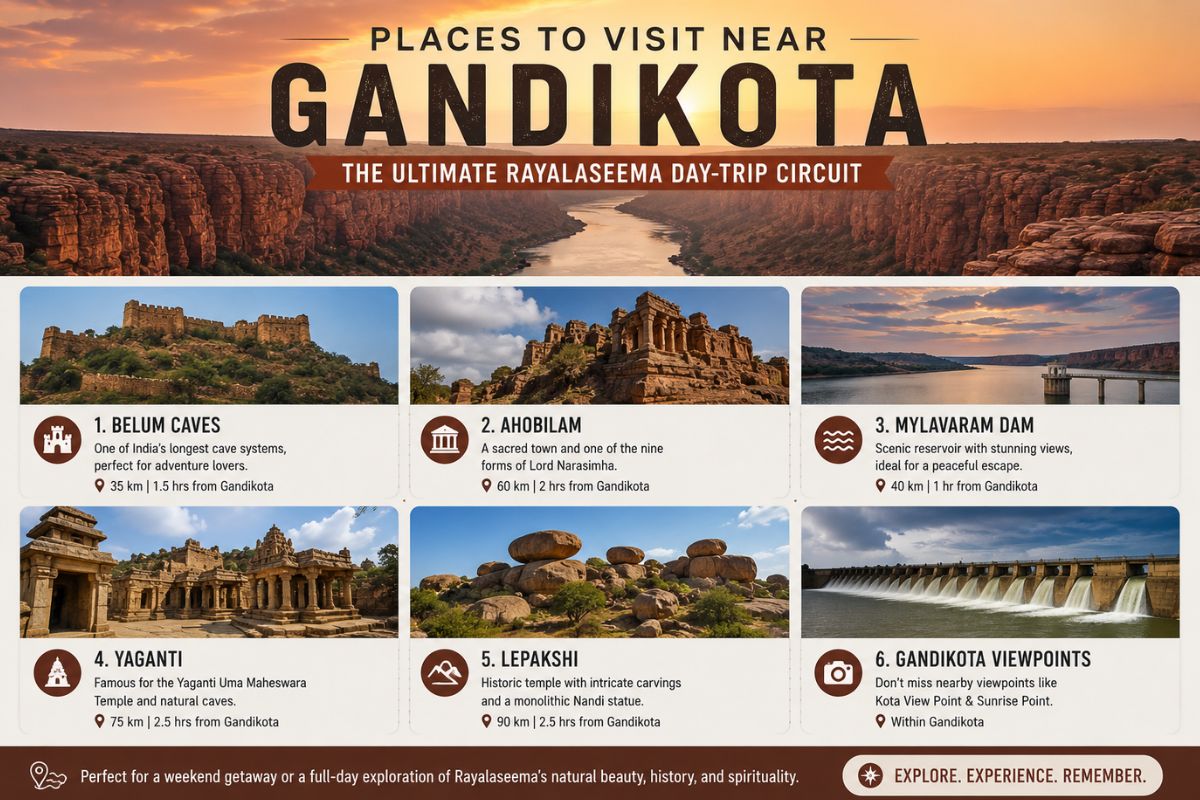
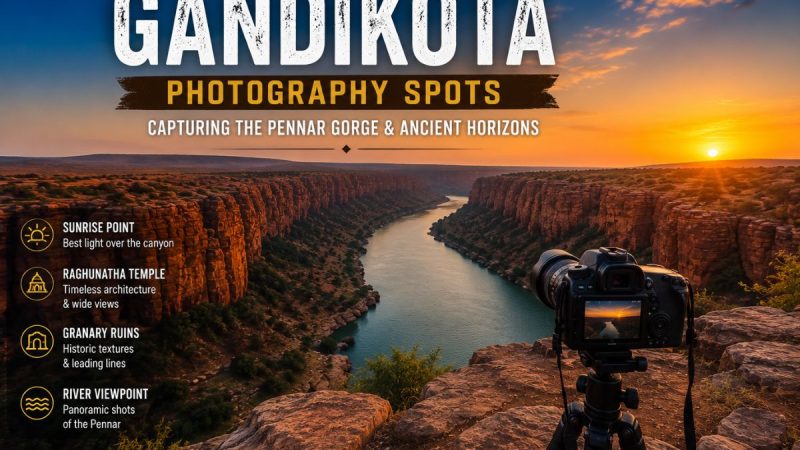
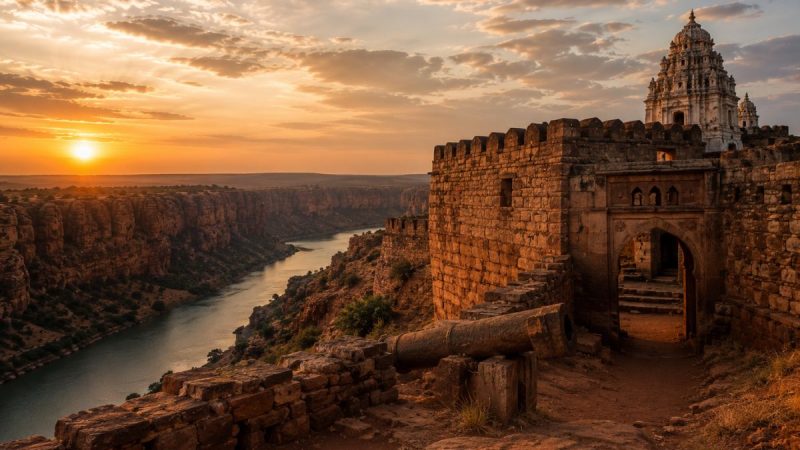
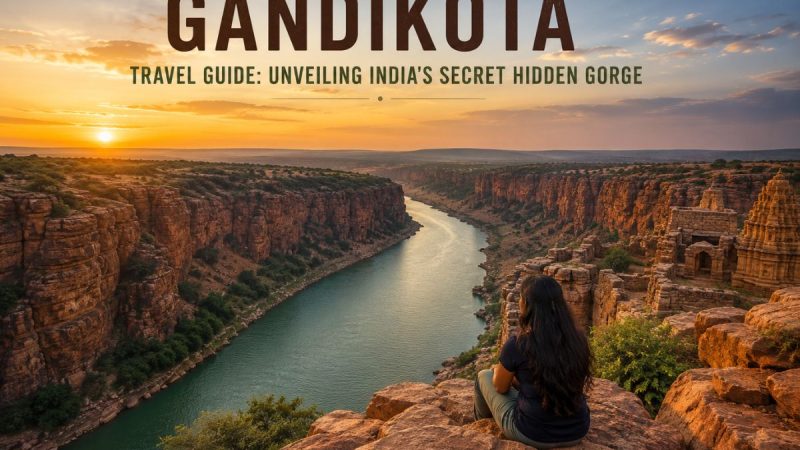
While the grand red sandstone gorge is enough to anchor your travel plans, mapping out the best places to visit near Gandikota reveals that the surrounding Rayalaseema region is packed with subterranean wonders and architectural enigmas.
Instead of treating the canyon as an isolated pitstop, you can easily combine it with subterranean paths carved out by ancient rivers and mysterious temples built right into natural rock facades. A well-planned 48-hour itinerary lets you jump seamlessly from the rim of India’s Grand Canyon right into the deep chambers of its largest accessible cave system.
The Rayalaseema Circuit At A Glance
To optimize your driving routes and avoid backtrack transit, execute your day trips out of Gandikota using this logical geographical loop:
| Destination | Distance from Fort | Ideal Time to Spend | Key Landscape / Attribute |
| Mylavaram Dam | 12 km (North) | 1 Hour | Serene embankments, boating, and proximity to Jammalamadugu. |
| Belum Caves | 61 km (North-West) | 2 to 3 Hours | Subterranean limestone passages, sinkholes, and deep springs. |
| Yaganti Temple | 78 km (North-West) | 2 Hours | Natural cave shrines and a growing monolithic Nandi statue. |
| Ahobilam | 125 km (East) | 1 Full Day | Dense Nallamala forest trails and 9 ancient shrines. |
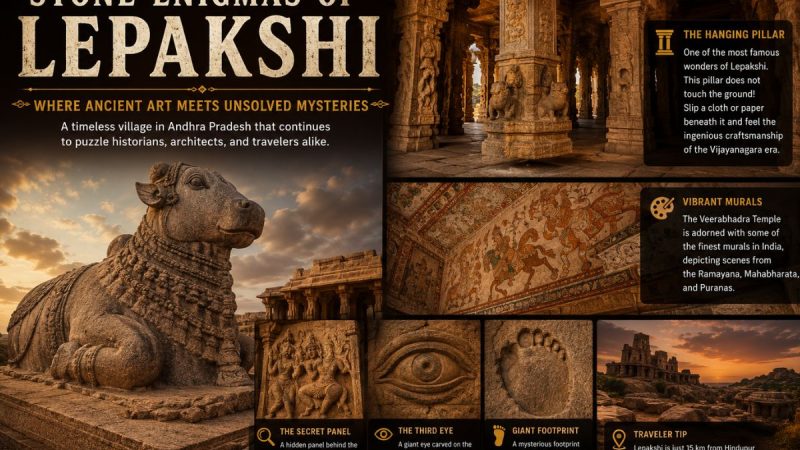
| Lepakshi | 200 km (South-West) | 3 to 4 Hours | Vijayanagara architecture, the hanging pillar, and a giant Nandi. |
1. Belum Caves: Descending into India’s Underground Maze
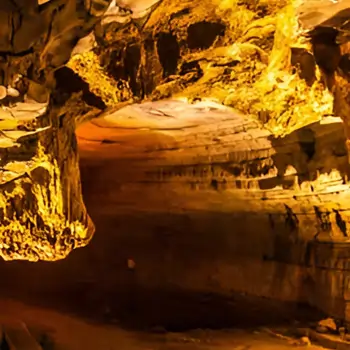
Formed over a million years by the chemical weathering of underground water currents on black limestone strata, Belum Caves is the second-longest cave system in the Indian subcontinent. The Archeological Survey of India (ASI) has cleared and illuminated a 1.5-kilometer path for travelers, creating a surreal walking route down beneath the surface of the earth.
🗓️ Logistics Update: Belum Caves
Key Formations to Track Inside:
- The Entry Sinkhole: A dramatic, vertical drop where the flat surface of the Deccan plateau opens up into a massive underground cavern.
- Saptaswaralu Guha (Chamber of Seven Notes): A section where the natural stalactite formations emit metallic, musical tones when tapped gently with your knuckles.
- Patalaganga: The deepest accessible point of the cave system (46 meters down), where a mysterious, perennial underground stream surfaces before disappearing back into the limestone cracks.
2. Yaganti Uma Maheswara Temple: Shadows, Sages, and Science
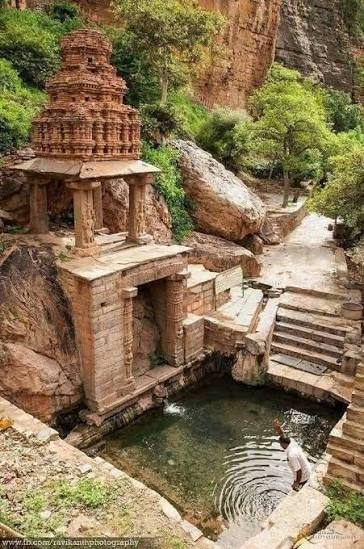
Nestled deep within the jagged folds of the Yerramala hills, the 15th-century Yaganti Temple is an architectural masterpiece constructed under the direct patronage of King Harihara Bukka Raya of the Vijayanagara Empire. Unlike typical temple designs that sit on flat plains, Yaganti is built natively around natural rock caves and overhangs.
The Mysteries of Yaganti:
- The Growing Nandi: Devotees and geologists alike have long tracked the central stone Nandi (bull) statue. The Archaeological Survey of India has verified that the specific type of biomorphic rock used to carve the idol naturally expands over time. Staff even had to remove a structural pillar because the growing stone bull was physically encroaching on the walkway space.
- The Perennial Pushkarini: A holy water tank fed by a hidden natural spring cascading down from the rocky crags. The water flows out of a stone Nandi mouth and stays perfectly cool, clear, and at a constant level through the peak dry seasons.
- The Absence of Crows: Due to an ancient curse attributed to Sage Agastya, who was disturbed by cawing during his intense penance, crows are entirely absent from the temple premises. Because crows are the traditional transit animal (vahana) for Shani Deva, local folklore holds that Saturn’s negative astrological energies cannot enter the valley.
The Transit Takeaway: The roads connecting Gandikota to Belum and Yaganti are largely two-lane state highways that cut through rural cotton fields and limestone quarries. Start your day early by 8:00 AM to beat the midday interior heat, wear lightweight footwear for walking inside the humid cave chambers, and ensure your vehicle’s fuel tank is full, as highway gas stations can be sparse.
3. Owk Reservoir: The Perfect Golden Hour Break
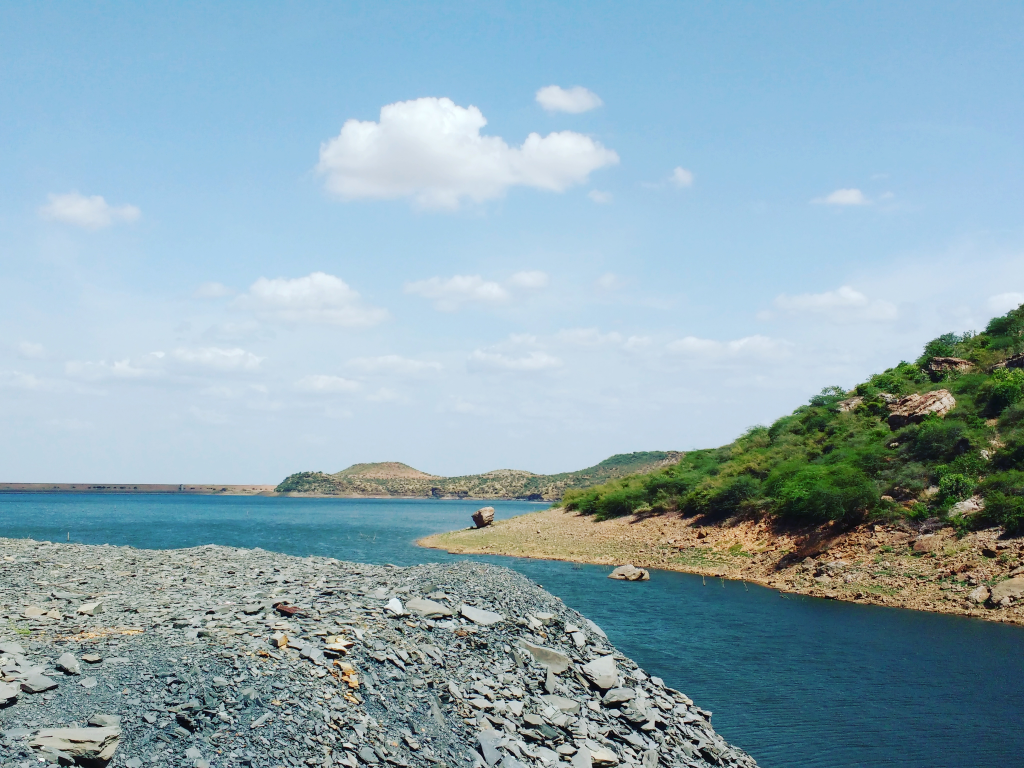
Located midway between Gandikota and Belum Caves, the Owk Reservoir is a massive engineering project built across the Paleru River. The road runs right along the top of the sweeping earthen dam embankments, offering panoramic views of deep blue water contrasting against the arid, rocky red hills of the Kurnool district.
It makes for the ultimate late-afternoon rest stop to park your car, unpack a picnic basket, and watch the sunset reflect off the water before driving back to your camp base on the Gandikota gorge rim.
4. Mylavaram Dam: The Immediate Backyard Escape
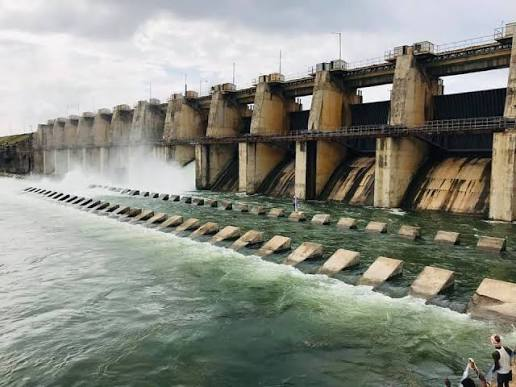
Located just a short drive from the main fort gates, Mylavaram Dam is a massive reservoir project constructed across the very same Pennar River that cuts through the Gandikota gorge. It serves as the ultimate, low-friction evening getaway when you want to unwind after a long day of scrambling over canyon boulders.
The area features a quiet, beautifully maintained park and a dedicated water sports center where travelers can go boating. Walking along the expansive dam masonry structures at sunset allows you to watch the sky turn brilliant shades of pink and gold, mirroring flawlessly against the massive, calm sheet of stored river water.
5. Lepakshi: The Zenith of Medieval Stone Enigmas
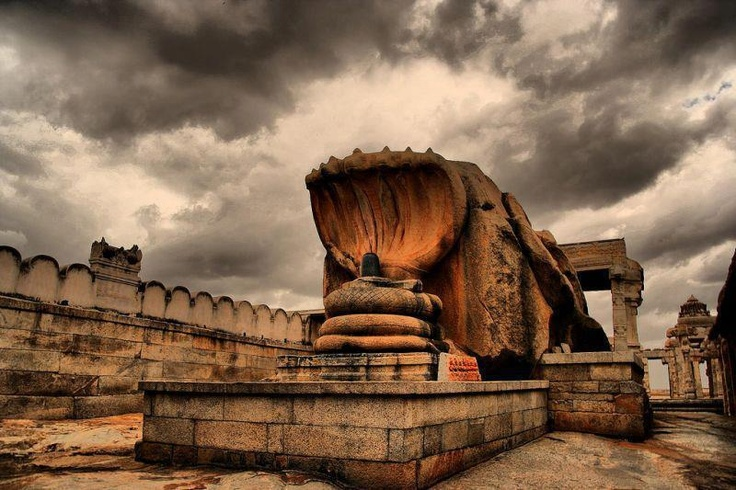
Though it requires a longer driving commitment toward the Karnataka border, Lepakshi is an absolute crown jewel of historical travel. The 16th-century Veerabhadra Temple here represents the ultimate design peak of Vijayanagara artistic expression, showcasing stone carvings that seem to defy gravity.
The Architectural Marvels of Lepakshi:
- The Hanging Pillar: Out of the 70 massive stone pillars supporting the temple’s main hall, one legendary pillar does not fully touch the ground. A small gap exists beneath its base, allowing travelers to pass a thin piece of cloth or paper completely underneath it to test its balance.
- The Monolithic Nandi: Sitting nearly 200 meters away from the main temple complex is a giant, single-stone carving of Nandi. Sculpted from a single massive granite boulder, it stands 15 feet high and 27 feet long, making it one of the largest monolithic bulls on earth.
- The Multi-Headed Naga: A spectacular, giant stone sculpture of a seven-headed serpent (Nagalinga) shielding a dark granite Shiva Lingam, carved with breathtaking precision out of a single rock face in the outer courtyard.
6. Ahobilam: Wild Jungle Treks to Nine Sacred Shrines
For travelers seeking a heavy dose of raw wilderness adventure combined with historic heritage, Ahobilam is the ultimate day-trip destination. Situated amidst the dense, hilly terrains of the Nallamala Forest, this sacred valley is split into two distinct zones: Lower Ahobilam and Upper Ahobilam
Ahobilam is unique because it houses the Nava Narasimha shrines—nine distinct temples dedicated to the lion-man avatar of Lord Vishnu. Reaching all nine requires trekking through deep forest paths, crossing seasonal mountain streams, and climbing steep stone steps cut directly into mountain cliffs.
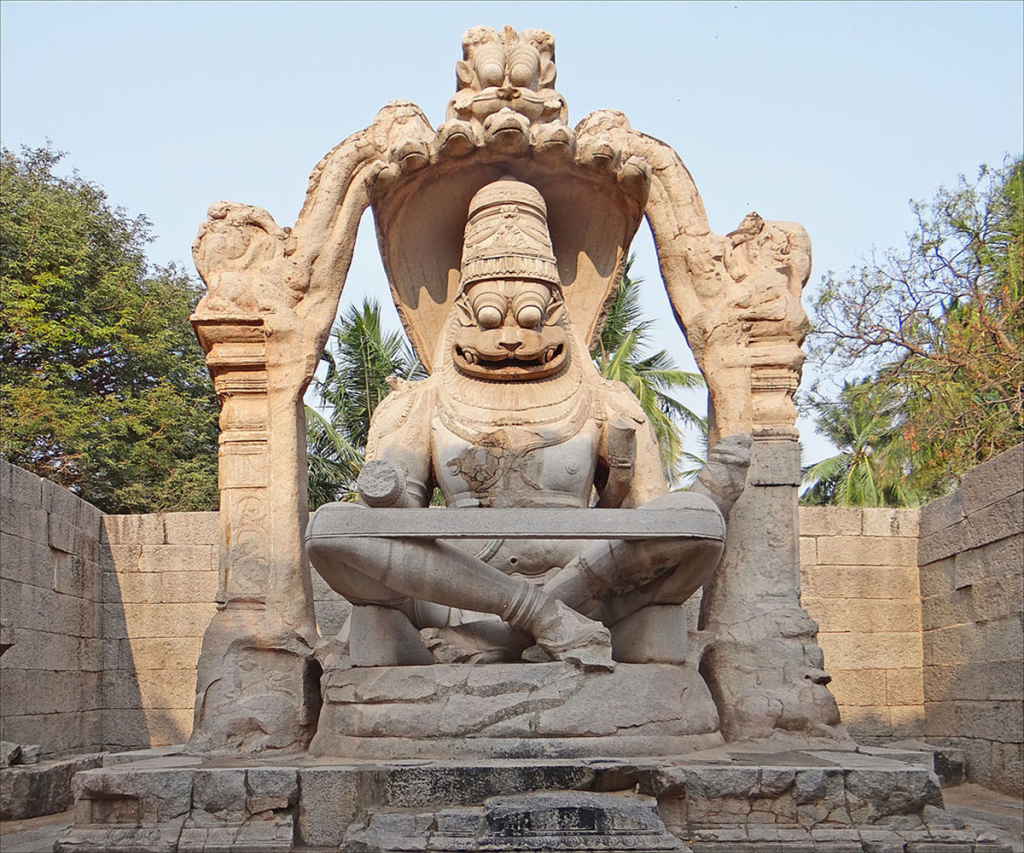
The trek to the Ugra Narasimha shrine in Upper Ahobilam and the vertical climb to Jwala Narasimha (perched on a narrow ridge beneath a natural waterfall) are intensely rewarding, offering sweeping views of the untouched jungle canopy stretching across the Eastern Ghats.
The Highway Transit Tip: To smoothly link Gandikota, Ahobilam, and Lepakshi into a fluid journey, it is best to utilize your own vehicle or a private rental taxi. The roads transitioning toward Lepakshi shift onto the flawless, multi-lane National Highway 44 (Bangalore-Hyderabad Highway), making the driving legs fast and exceptionally comfortable. Always carry basic trekking gear and plenty of drinking water, as options inside the forest tracks of Ahobilam are entirely rustic.