The Edge of the Map: Surviving Paradise in the Least Visited Country on Earth TUVALU

Imagine a country so narrow that you can stand in the middle of the main street, look to your left to see the roaring waves of the open Pacific Ocean, and look to your right to watch the placid, bright turquoise waters of a massive coral lagoon.
Welcome to Tuvalu.
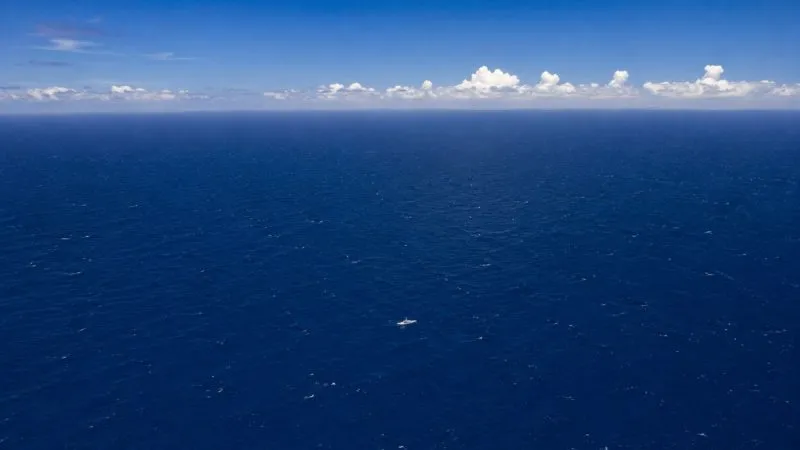
Tucked away in the vast expanse of Polynesia, roughly halfway between Hawaii and Australia, this tiny coral atoll nation holds a striking title: the least visited country on planet Earth. Welcoming fewer than 3,000 travelers a year, Tuvalu doesn’t have a single franchise restaurant, zero traffic lights, no domestic flights, and exactly one ATM (which only takes local cash).
If you are looking for an untouched, raw travel experience, this is the ultimate frontier.
The Arrival: An Airstrip That Double-Lives as a Playground
Your adventure begins before you even touch down. Flying into Funafuti International Airport on a tiny propeller plane from Fiji is a thrill in itself. As the plane approaches, a loud siren echoes across the entire capital island. Because the island is so narrow, the runway takes up a massive percentage of the land. When planes aren’t landing (which is almost all the time, as there are only a few flights a week), the runway magically transforms into the country’s largest public square.
By 4:00 PM every evening, the heat breaks, and the asphalt airstrip comes alive. Hundreds of locals gather to play volleyball, race motorcycles, set up soccer matches, and sleep out in the open air to catch the cool ocean breeze. As a traveler, walking onto the runway to join a pickup game of soccer is the ultimate welcome.
The Adventure: Exploring the Funafuti Conservation Area
Tuvalu isn’t a place for structured resort excursions; it’s a place for raw exploration. Rent a scooter for about $10 a day and ride down the single main road that connects the atoll.
The crown jewel of the nation is the Funafuti Conservation Area, a massive marine sanctuary encompassing six uninhabited islets.
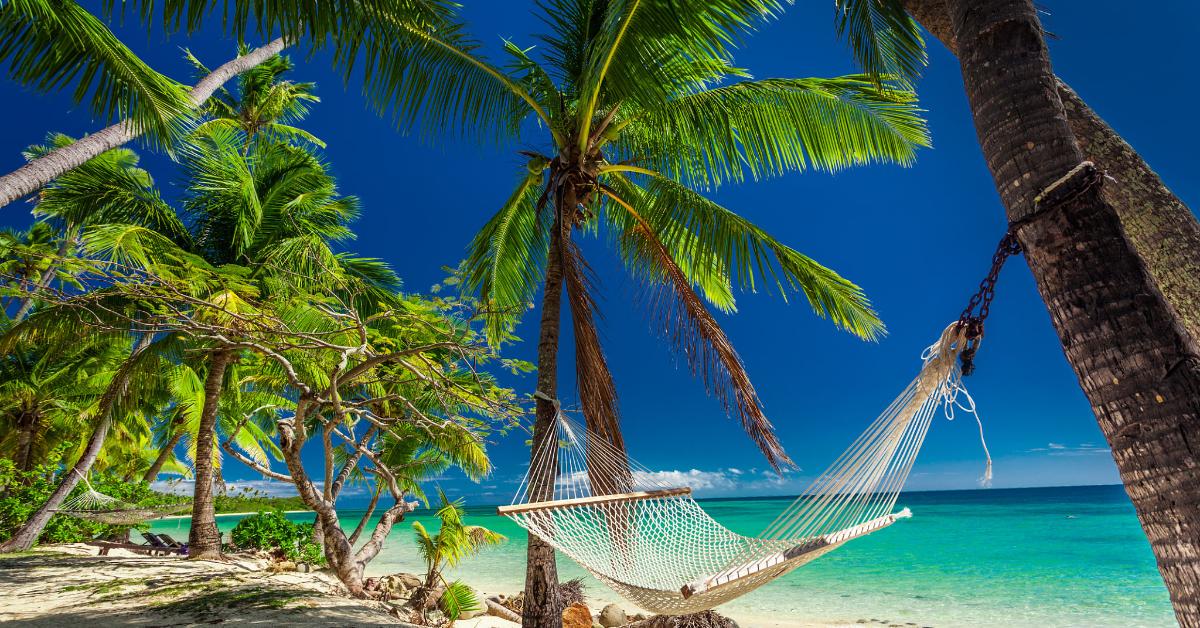
Hire a local fisherman to take you across the lagoon on a small motorboat to Afelita Islet. Here, the water is so shockingly clear that you can see reef sharks, manta rays, and brilliant purple coral formations from the boat before your goggles even touch the water. You will likely be the only tourist on an entire island, stepping onto soft sand lined with coconut palms, feeling like a true castaway.
The Blueprint: Essential Guide to Visiting Tuvalu
Because Tuvalu receives so little tourism, visiting requires a bit of old-school planning:
| Travel Element | What to Expect | Insider Tip |
| Getting There | Flights depart exclusively from Suva, Fiji (Fiji Airways) | Book months in advance; flights are limited and fluctuate based on weather. |
| Currency | Australian Dollar (AUD) / Tuvaluan Coins | Bring 100% Cash. Credit cards are completely useless here, and there are no operational tourist ATMs. |
| Where to Stay | Small, family-run guesthouses (e.g., Filamona Lodge) | Stay near the airstrip to be right in the center of local evening life. |
| Connectivity | Highly limited, satellite-based internet | Buy a local prepaid SIM card at the Telecom office, but prepare to enjoy a digital detox. |
The Urgent Reality: A Nation Against Time
There is a poignant undertone to traveling here. With its highest point sitting a mere 15 feet above sea level, Tuvalu is officially one of the most vulnerable nations on Earth to rising sea levels.
To visit Tuvalu is to witness a vibrant, incredibly warm Polynesian culture that is actively fighting to preserve its home. The locals don’t look at their country with sadness; they live with an exuberant, welcoming joy that infuses every evening dance session (Fatele) and community feast.
It is a place that redefines what travel means. You don’t go to Tuvalu to be pampered; you go to stand on a tiny thread of sand in the middle of the world’s largest ocean, discovering a paradise that few eyes will ever get to see.