Gandikota Photography Spots: Capturing the Pennar Gorge & Ancient Horizons
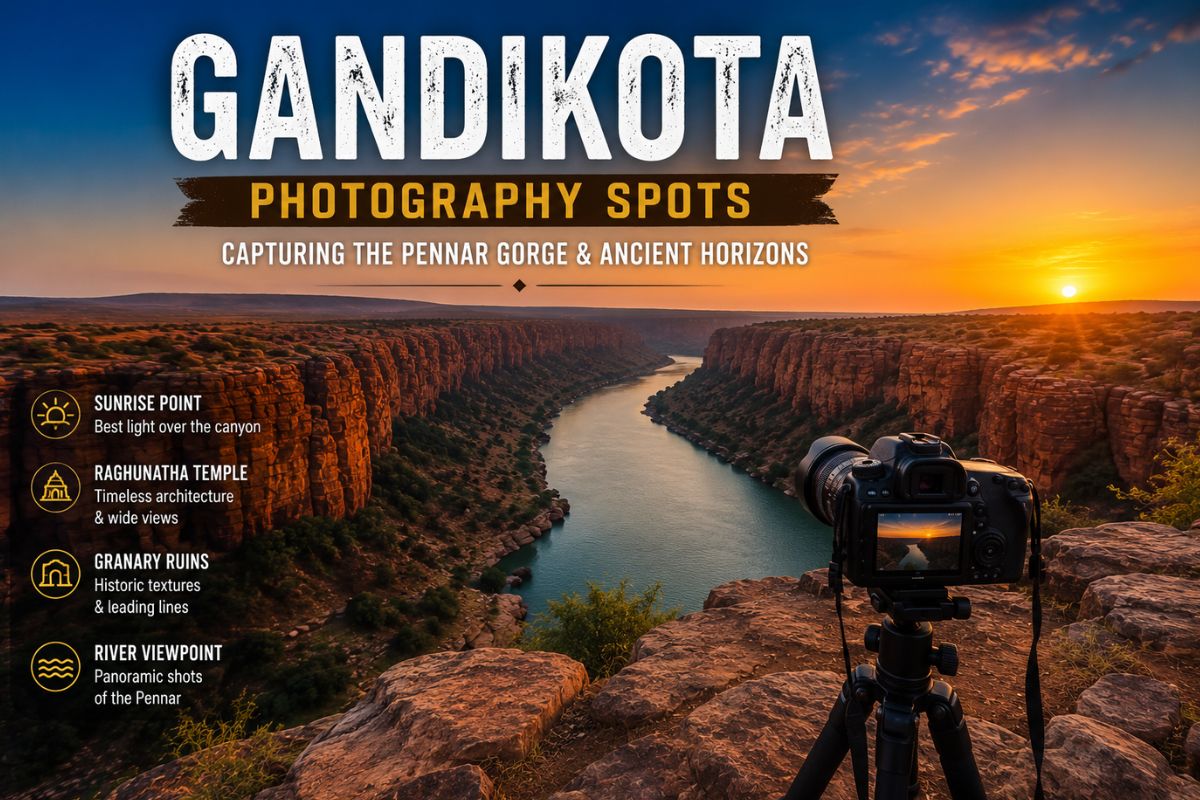
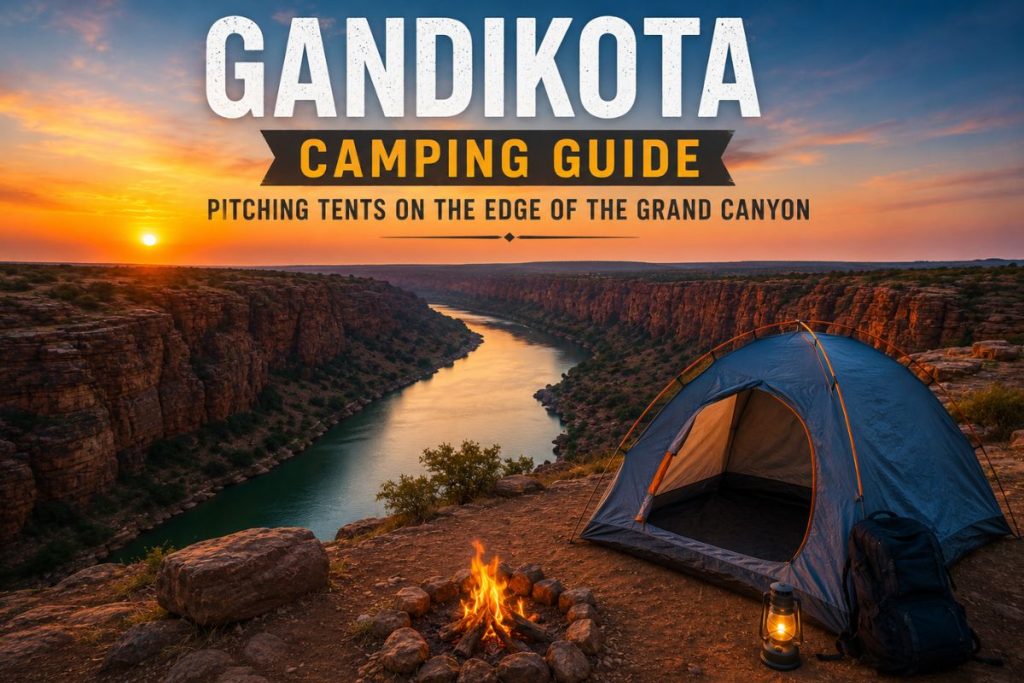
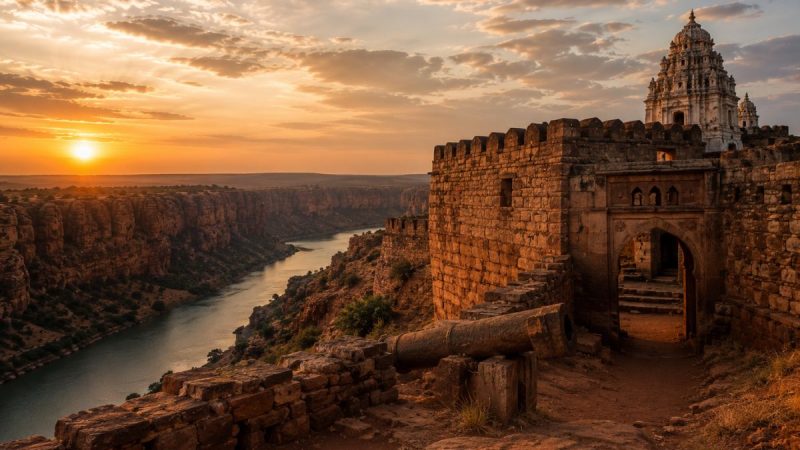
A specialized manual on the best gandikota photography spots is essential if you want to capture the true scale of India’s most visually dramatic landscape. The contrast between the sheer, geometric red sandstone cliffs and the deep turquoise curve of the Pennar River creates a dream canvas for landscape and travel photographers.
However, because the sun angles here are extreme and the open rock reflects light intensely, shooting blindly at midday will result in washed-out colors and flat shadows. To capture standard-shattering images, you need to know exactly where to plant your tripod legs and when to press the shutter.
📍 The Ultimate Viewpoint Breakdown
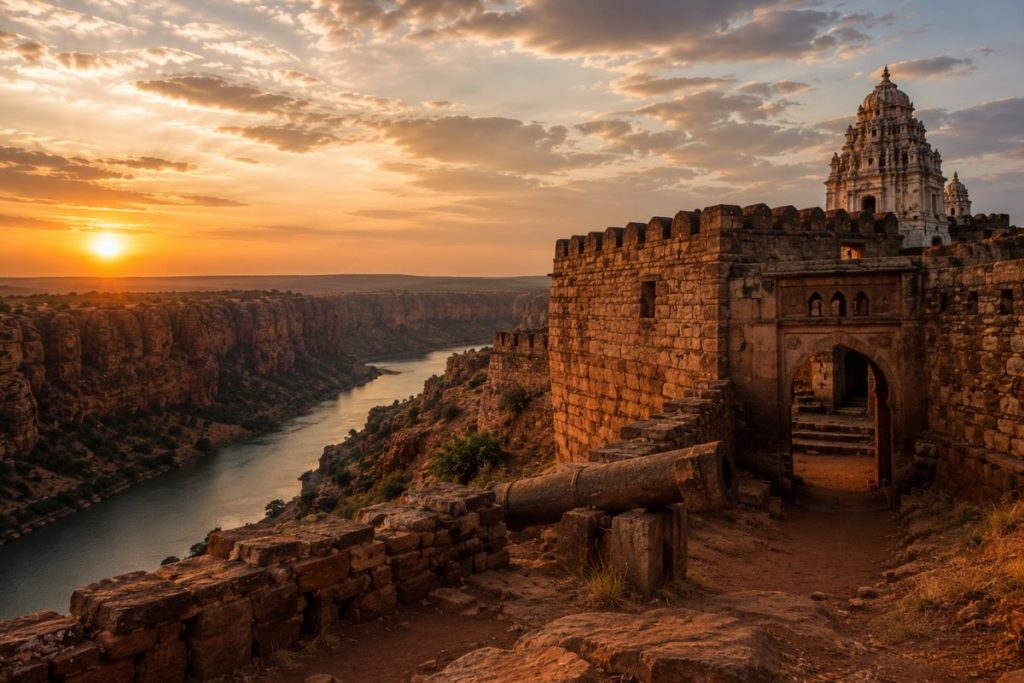
To build a diverse visual portfolio of your journey, map out your shooting schedule across these three primary locations inside the citadel perimeter:
1. The Main Gorge Rim (The Postcard Shot)
Located just a short walk past the boulders behind the Raghunatha Swamy Temple complex. This is the classic, panoramic framing of the entire river bend.
- Best Time: Sunrise (Golden Hour). The sun rises directly across the gorge, casting a warm, glowing light on the rock faces opposite you.
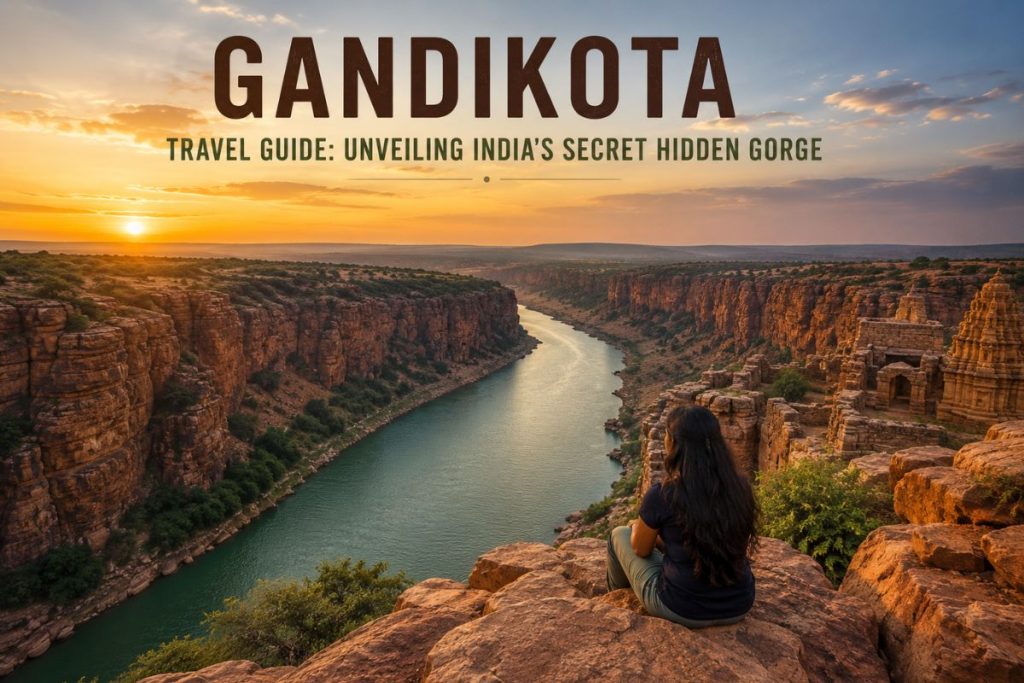
- Composition Tip: Use a wide-angle lens (16mm to 24mm) and position a silhouette of a person on a safe projecting rock in the lower third of your frame to give the viewer an immediate sense of scale.
2. The Charminar & Masjid Alignment
Located in the heart of the fort ruins, this flat clearing offers an incredible study in architectural symmetry and historic shadow lines.
- Best Time: Late Afternoon (3:30 PM to 5:00 PM). The low-angled sun streams through the arched gateways of the Jama Masjid, creating long, dramatic shadow paths across the stone floors.
- Composition Tip: Look for the water reflection pool in the courtyard. Drop your camera down to water level to capture a perfect mirror image of the towering minarets against the sky.
3. The Outer Fortifications
The winding stone pathways and massive wooden entry gates along the western outer wall.
- Best Time: Blue Hour (20 minutes immediately after sunset).
- Composition Tip: Use a sturdy tripod and a long exposure setting (5 to 10 seconds). The deep blue ambient sky provides a moody contrast against the heavy, ancient red sandstone masonry blocks.
⚙️ Recommended Gear & Technical Camera Settings
Because Gandikota is a high-contrast, dusty environment, adjusting your technical settings on the fly is key to preserving raw image data:
| Target Subject | Lens Choice | Recommended Settings | Key Tool |
| Deep Canyon Panorama | Ultra-Wide (12-24mm) | f/8 to f/11, ISO 100, Shutter Auto | Circular Polarizer (CPL): Cuts the harsh surface glare off the river water and deepens sky blues. |
| Ruins & Pillar Carvings | Prime (35mm or 50mm) | f/2.8 or wider, ISO 100, Fast Shutter | Lens Hood: Essential for preventing stray side-light from creating unwanted lens flare on details. |
| Canyon Astro-Photography | Wide & Fast (14mm f/1.8) | f/1.8, ISO 3200, 15-second exposure | Sturdy Tripod: Strong night winds on the rim will cause minor camera shake on flimsy setups. |
🛩️ Drone Laws and Aerial Scouting
If you plan to bring a drone to capture the vertical drop of the Erramala cliffs from above, you must adhere strictly to regional aviation parameters.
The area directly inside the ancient fort boundaries is monitored by the Archaeological Survey of India (ASI). Ensure your drone is fully registered via the Digital Sky platform, check for updated local no-fly zones, and never fly directly over or near active tourist paths on the boulder edges to prevent safety hazards.
The most dramatic drone footage is captured by executing a slow, vertical reveal: fly low inside the canyon bed right above the water line, then slowly ascend vertically until the vast expanse of the upper fort ruins and the surrounding Deccan plateau suddenly breaks across the frame.
The Creator’s Takeaway: The magic of photographing Gandikota lies in patience. Don’t pack up your gear the second the sun dips below the horizon line. The residual heat in the atmosphere often creates a rich purple and deep orange afterglow that stays locked inside the canyon walls for nearly half an hour, offering the cleanest, most dramatic light of the entire day.