NBFCs vs Fintech Apps – A Simple Comparison
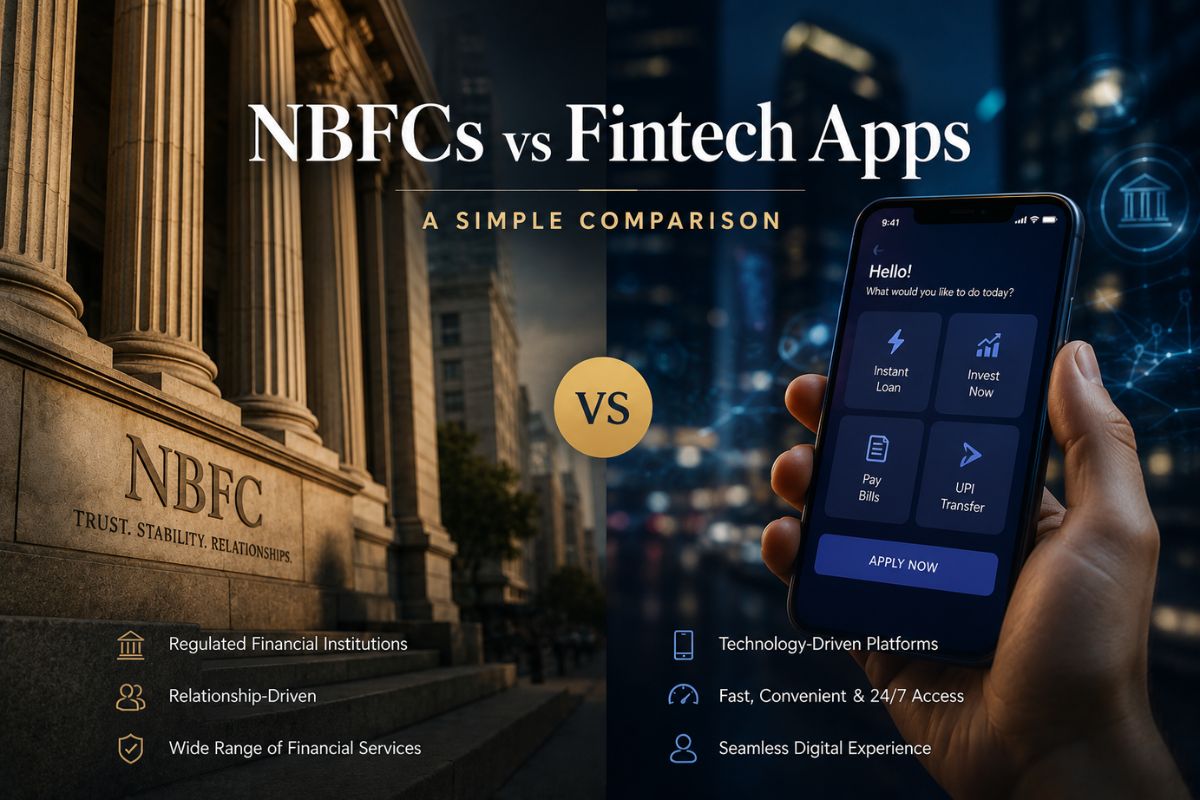
Both NBFCs and fintech apps help people get loans and financial services, but they are quite different in structure, regulation, and how they operate.
Quick Overview
| Aspect | NBFC (Non-Banking Financial Company) | Fintech App |
|---|---|---|
| What it is | A registered financial company that lends money and provides credit products | A technology platform/app that offers financial services (often loans) |
| Main focus | Lending, risk management, and balance-sheet growth | User experience, speed, convenience, and technology |
| Regulation | Strictly regulated by RBI | Varies – lighter if only a platform; stricter if it holds an NBFC licence |
| Can lend its own money? | Yes – it uses its own capital and borrowed funds | Often No – many just connect users to NBFCs/banks |
| Capital requirement | High – must maintain minimum capital and follow RBI norms | Low if pure tech platform; high if it becomes an NBFC |
| Risk ownership | Takes full credit risk on its books | Usually does not take credit risk (unless it is an NBFC) |
| Examples | Bajaj Finance, Jio Credit, Mahindra Finance, Tata Capital | PhonePe, Google Pay, CRED, Groww, Paytm, some pure digital lenders |
| Physical presence | Often has branches + digital channels | Mostly app/website only |
| Loan approval speed | Fast (especially digital NBFCs), but more process-oriented | Extremely fast – often minutes |
Detailed Comparison
1. Legal & Regulatory Status
- NBFC: Must be registered with the Reserve Bank of India. Follows strict rules on capital, lending limits, provisioning for bad loans, and customer protection.
- Fintech App: Many are pure technology companies. They do not need an NBFC licence if they only act as a marketplace or facilitator. However, if a fintech wants to lend its own money, it must become an NBFC.
2. How They Give Loans
- NBFC: Raises money from banks, investors, or bonds and then lends it directly to customers. The loan sits on the NBFC’s balance sheet.
- Fintech App: In most cases, the app collects your details, runs credit checks using AI/algorithms, and then partners with an NBFC or bank that actually disburses the loan. The app earns a fee or commission.
3. Technology & Customer Experience
- NBFC: Many traditional NBFCs were slower, but modern ones (like Jio Credit) are highly digital. Still, processes can involve more documentation.
- Fintech App: Built for mobile-first experience. Features like one-tap applications, instant approvals, UPI integration, and gamified rewards make them more user-friendly.
4. Risk & Responsibility
- NBFC: Fully responsible if the borrower does not repay. Must maintain strong risk management systems.
- Fintech App: Usually shifts the credit risk to the partner NBFC or bank. This is why many fintech apps can grow very fast with lower capital.
5. Strengths of Each
NBFC strengths:
- Stronger regulatory backing and trust
- Ability to hold large loan books
- Better access to long-term funding
- Can offer a wider range of products (secured loans, business loans, etc.)
Fintech App strengths:
- Superior user interface and speed
- Lower operating costs
- Excellent at customer acquisition through apps and digital marketing
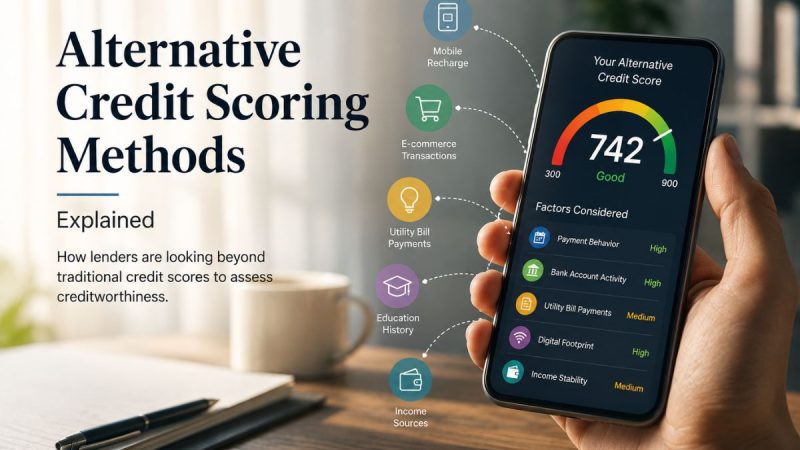
- Innovative credit scoring using alternative data (UPI history, mobile usage, etc.)
Real-World Overlap
The line between the two is blurring:
- Many fintech companies have applied for and received NBFC licences, becoming “digital NBFCs”.
- Traditional NBFCs are launching their own advanced apps to compete with pure fintech players.
- Partnerships are common: A fintech app + an NBFC working together (the app brings customers, the NBFC provides the money and regulation).
Simple Analogy
- An NBFC is like a specialised finance shop that owns the products it sells and takes full responsibility.
- A fintech app is often like a smart online marketplace that connects you to those finance shops and makes the buying experience smooth and fast.
Which is Better for Customers?
It depends on your need:
- Want maximum speed and convenience → Fintech app
- Prefer dealing with a fully regulated lender that owns the loan → NBFC
- Best of both → Many modern digital NBFCs or app + NBFC partnerships
In short, NBFCs are regulated financial institutions, while fintech apps are technology platforms. The most successful models today combine the regulatory strength of NBFCs with the digital convenience of fintech apps.
Suggested Reading
NBFCs, Fintech & the Shape of Credit in India
Six pieces on how lending outside traditional banks actually works, who the players are, and what the Jio–Bank of America deal signals about where it’s headed.
- 01 Jio Financial–Bank of America Deal: What It Means for Jio Credit→ Deal Explainer
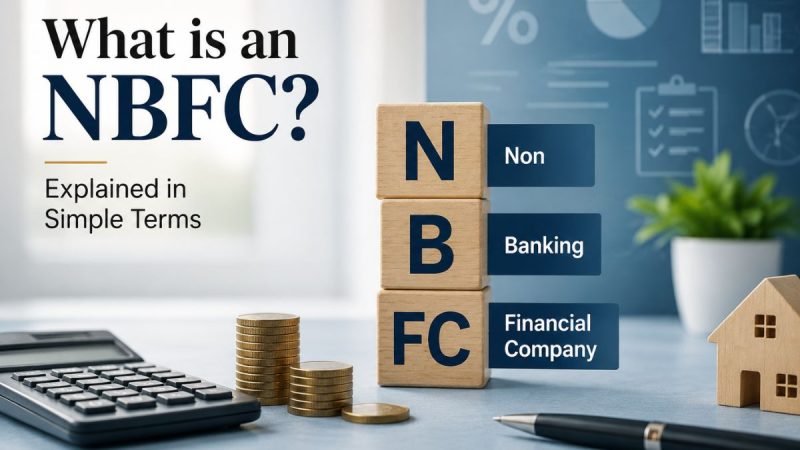
- 02 What Is an NBFC? Explained→ Fundamentals
- 03 NBFCs vs Fintech Apps: A Simple Comparison→ Comparison
- 04 Alternative Credit Scoring Methods, Explained→ Fundamentals
- 05 Top 10 NBFCs in India as of Mid-2026→ Market Landscape
- 06 NBFC vs Bank Lending Rates in India 2026→ Comparison