Reinvent Yourself After Divorce and Embrace New Confidence and Growth

For Indian women rebuilding life after divorce, the separation often brings two battles at once: the private grief of endings and the public judgment that follows. The social stigma of divorce in India can show up as questions, silence, gossip, and pressure to “adjust,” while gender bias in Indian society quietly limits work options, safety, and respect. This mix can make even simple decisions, where to live, how to earn, how to be seen, feel heavier than they should. Reinvention after marital breakdown is still real, and it begins with treating confidence as something that can be rebuilt.
Understanding Reinvention After Divorce
Reinvention after divorce is not a sudden makeover. It is a steady process of rebuilding emotional resilience, choosing new beliefs about what is possible, and practicing confidence in small, repeatable ways. This kind of personal development can touch how you think, earn, heal, and show up in relationships.
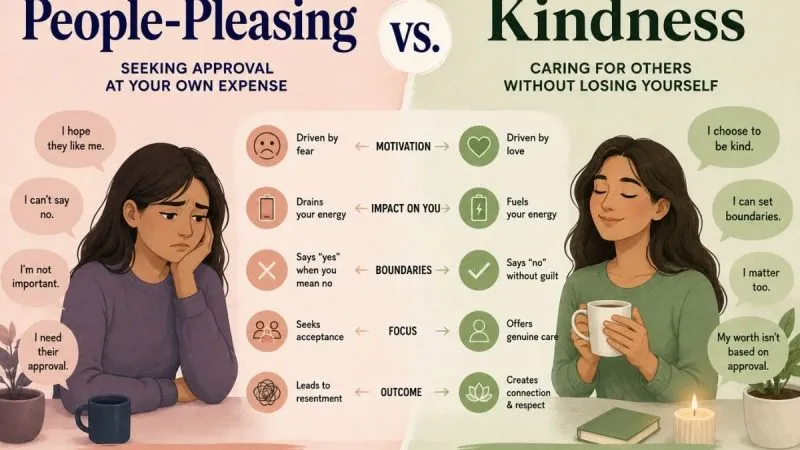
Why it matters is simple: when you treat growth as a process, you stop measuring yourself by one painful chapter. You start making calmer decisions, setting boundaries without guilt, and trusting your own voice again.
Imagine you are learning to ride a scooter again after years of being told not to. You wobble, you practice, and you improve because you keep showing up. Like body, mind and spirit strengthening together, resilience builds with each attempt. With this mindset in place, small goals and support systems become easier to choose and stick to.
Start Reinventing: 7 Practical Moves You Can Take This Month
Reinvention doesn’t require a big, dramatic makeover. It’s built through small, repeatable choices that strengthen emotional resilience, widen your options, and help you trust yourself again.
- Choose one “small-win” goal for the next 30 days: Pick one goal that’s measurable and gentle, like “walk 20 minutes, 4 days a week” or “apply to 5 roles by month-end.” The idea is to build proof that you can keep promises to yourself, which supports a growth mindset when everything feels uncertain. Remember that goals work in small increments, so you’re not “thinking small”, you’re building consistency.
- Write a “new chapter” boundary list and practice one line out loud: Make two columns: “What I won’t accept” (late-night calls, insults, financial pressure) and “What I will do instead” (reply in the morning, end the call, ask for written communication). Then rehearse one sentence: “I’m not available for this conversation, please message me.” Boundaries reduce emotional drain and protect the energy you need for rebuilding.
- Create a support circle with three roles (not one person): Choose one person for emotional support, one for practical help (childcare swaps, paperwork, local leads), and one for growth (a mentor, teacher, or senior colleague). This prevents overloading a single relationship and makes support more reliable. If you feel isolated, start with one community space, an alumni group, women’s collective, or a class, and attend twice this month.
- Do a “money clarity hour” once a week: Set a timer for 60 minutes and list your fixed costs, variable costs, and any immediate legal/child-related expenses. Then choose one adjustment that eases pressure this month: pausing a subscription, shifting to a smaller grocery plan, or setting a weekly cash limit. Financial clarity isn’t about being perfect, it reduces fear and increases decision-making power.
- Run a 14-day body-and-mind reset: Pair a short movement habit (10–20 minutes of walking, stretching, or dance at home) with a mental habit (5 minutes of journaling, prayer/meditation, or a grounding breath). Evidence suggests combined exercise-psychological interventions can have a strong impact on well-being, which matters when confidence feels shaky. Keep it simple enough that you can do it even on heavy days.
- Make one career move that increases your options, this week: Choose one: update your resume headline, collect two work samples, message one former colleague for leads, or spend 45 minutes learning a job skill. If returning to work feels intimidating, start with “low-stakes visibility” like helping a friend’s business for a weekend or volunteering your expertise for a community group.
- Refresh your identity with a “confidence audit”: List five strengths you used to survive the last year (patience, negotiation, persistence, budgeting, caring for family). Then choose one small lifestyle shift that reflects who you are now, new haircut, rearranged room, a simple kurta you feel good in, or joining a class you always postponed. These cues remind your brain you’re moving forward.
Small, steady actions like these make it easier to build a weekly rhythm that protects your self-worth, even when emotions come in waves.
Habits That Build Confidence After Divorce
Habits matter because they create stability when emotions rise and fall. For Indian women rebuilding after divorce, small rituals can quietly restore agency, self-respect, and confidence through consistent action.
Morning Self-Respect Check-In
- What it is: Write one sentence: “Today I choose to protect my peace.”
- How often: Daily
- Why it helps: It anchors your choices to your values, not others’ opinions.
Two-Minute Calm Reset
- What it is: Use deep breathing for ten slow breaths before reacting to stress.
- How often: Daily, and before difficult calls
- Why it helps: It lowers reactivity and helps you respond with clarity.
Evidence Notebook
- What it is: Note one brave thing you did, however small.
- How often: Daily
- Why it helps: It trains your mind to notice progress, not only pain.
Confidence Visualization
- What it is: Spend 60 seconds to picture yourself succeeding in one upcoming situation.
- How often: 3 times a week
- Why it helps: It makes new identities feel familiar and reachable.
Weekly Growth Appointment
- What it is: Block 30 minutes for learning, networking, or portfolio work.
- How often: Weekly
- Why it helps: It keeps your future moving, even during messy weeks.
Pick one habit this week and shape it around your family’s rhythm.
Don’t miss: The Quiet Habits That Make Women Unforgettable — Without Being Loud, Flashy, or Try-Hard

Your Reinvention Questions, Answered
Q: How can I regain my confidence and sense of identity after going through a divorce?
A: Start by separating your worth from society’s labels, because stigma can be harsh, even framing divorce as a dishonor. Rebuild identity through proof, choose one value (peace, independence, learning) and take one action daily that matches it. Keep boundaries with people who reduce you to your past.
Q: What are practical steps to manage stress and emotional overwhelm while rebuilding my life post-divorce?
A: Reduce decisions when you feel flooded: pick three daily non-negotiables like sleep, nourishment, and one small task. Do a 60-second pause before replying to triggering messages, then answer only what is necessary. If emotions feel unmanageable, consider a counselor or a trusted support group.
Q: How do I overcome feelings of being stuck or uncertain about my future after a major life change like divorce?
A: Treat uncertainty as a planning problem, not a personal failure. Choose a 30-day experiment, one income step, one health step, one connection step, and review weekly. Momentum often returns when you measure effort, not outcomes.
Q: In what ways can I simplify my life to create space for personal growth and empowerment after divorce?
A: Remove one drain at a time: a draining commitment, a guilt-based expense, or a relationship that repeats shame. Create a simple routine for mornings and evenings so your mind is not negotiating all day. Simplifying is also emotional: stop debating with anyone who implies you are branded for life.
Q: What should I consider if I want to gain new leadership and management skills to open up growth opportunities after my divorce?
A: Start with a gap check: which roles you want, and which skills they actually require (people management, communication, budgeting, stakeholder handling). Choose a flexible learning path you can sustain with your current responsibilities, and take a look at this for an example of what advanced business and leadership coursework can cover. Track results in numbers and stories so you can confidently present your growth in interviews.
Rebuild Confidence and Career After Divorce, One Clear Next Step
Divorce can leave a woman carrying grief, judgment, and the pressure to “start over” while still holding family and financial responsibilities. The way through is the reinvention mindset: embracing new life chapters, treating learning as self-respect, and finding empowerment through change instead of fighting it. With hope and a growth mindset, doubts start to feel like information, and inspiration after divorce becomes fuel for steady decisions that create a fulfilling life post-divorce. Your “after” story begins the moment you choose yourself on purpose. Choose one next step today: write down a role to explore and one skill to learn, then block a small weekly study slot. This matters because small, consistent choices build stability, resilience, and a life that feels like your own.
Read: Dowry Deaths: The Silent Slaughter of India’s Women