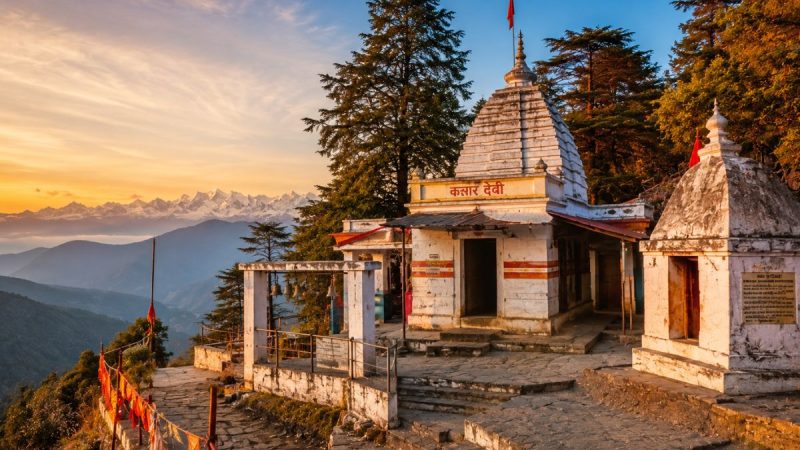
Ambubachi Mela: When the Earth Rests and the Sacred Turns Inward
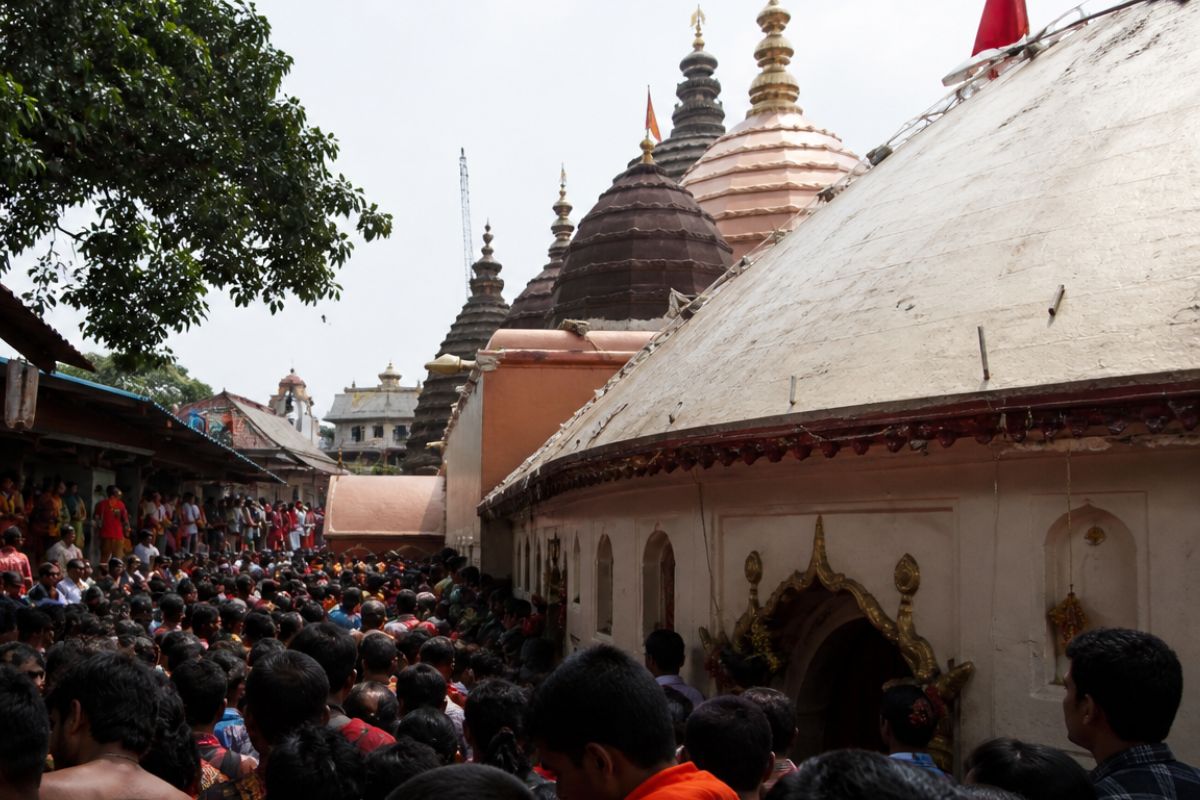
Ambubachi Mela: A Festival That Begins with Silence
In most traditions, festivals are marked by sound, movement, and ritual. Ambubachi Mela begins with something else entirely. It begins with stillness.
Held at the sacred Kamakhya Temple in Assam, this festival is one of the most unusual and deeply symbolic observances in India.
It does not celebrate an external event. It acknowledges a natural cycle.
Among the many summer festivals in India, Ambubachi Mela stands apart for the way it integrates the rhythms of the body, the earth, and the sacred into a single experience.
What Is Ambubachi Mela: A Festival Rooted in Natural Cycles
Ambubachi Mela takes place every year during the Assamese month of Ahaar, usually in June, coinciding with the onset of the monsoon.
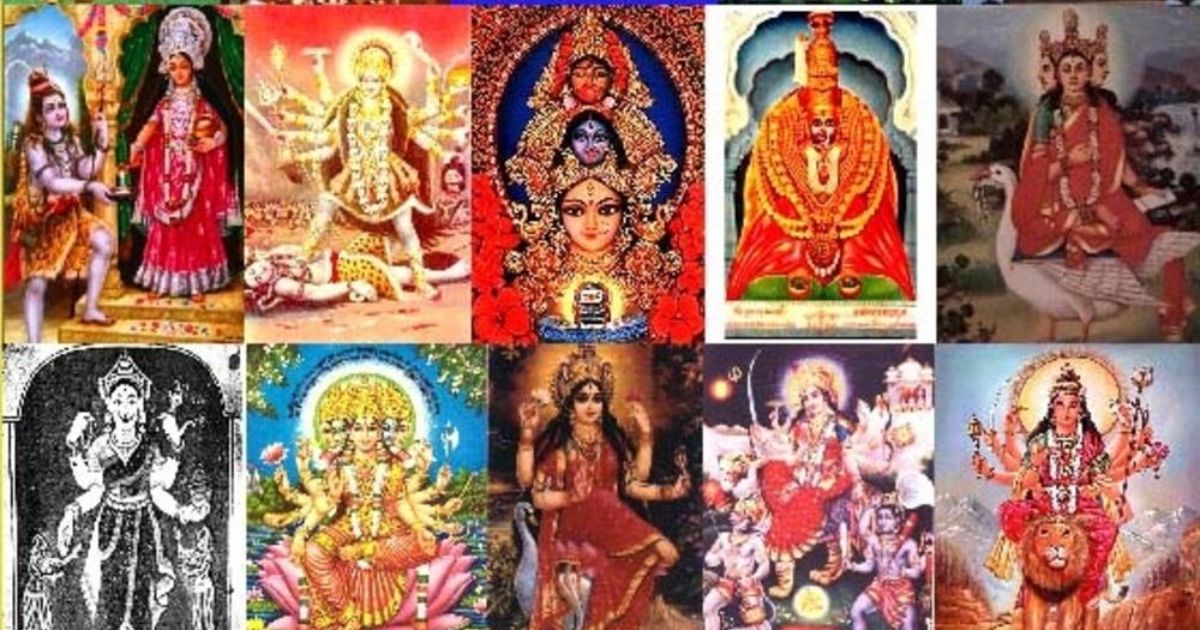
The festival is associated with the annual menstruation of Goddess Kamakhya, who is revered as a powerful form of the divine feminine.
During this period, the temple remains closed for three days. No daily worship, rituals, or offerings are performed. This pause is intentional. It signifies rest, regeneration, and withdrawal.
On the fourth day, the temple reopens, marking the end of the cycle and the return of active devotion.
This structure is unique in Indian religious practice. It places a natural biological process at the center of spiritual observance.
Look no further — you’re exactly where you need to be. Real Shee Power is your ultimate travel genie, granting your wanderlust wishes with everything you need to know for the perfect journey.
Historical and Scriptural Context

Kamakhya is one of the most important Shakti Peethas in India. According to tradition, these are sites where parts of the goddess Sati’s body are believed to have fallen.
At Kamakhya, it is believed that the yoni, or womb, of the goddess is enshrined.
Unlike many temples that house an idol, Kamakhya does not have a conventional deity form. The primary object of worship is a stone representing the generative aspect of the feminine, kept moist by an underground spring.
This connection to fertility, creation, and the earth makes Ambubachi Mela particularly significant.
The festival also holds importance in tantric traditions, where Kamakhya is considered a central site for spiritual practice.
The Period of Closure: What Happens During the Three Days

During the three days of closure, the temple doors remain shut.
No priests enter the sanctum. No rituals are conducted. Agricultural activities in the surrounding region are also traditionally paused, reflecting the belief that the earth itself is resting.
Devotees continue to gather on the Nilachal Hills, waiting for the reopening.
This waiting becomes a form of participation. It shifts the focus from action to anticipation.
The Gathering of Ascetics and Practitioners

Ambubachi Mela is also known for the large number of ascetics, tantrics, and spiritual practitioners who gather at Kamakhya during this time.
Many of them belong to traditions that are not commonly visible in everyday religious practice.
The festival provides a rare opportunity to witness diverse spiritual paths and practices.
Temporary camps are set up, and the hill transforms into a space where multiple forms of devotion coexist.
The Reopening: A Moment of Release and Renewal

On the fourth day, the temple reopens.
The reopening is marked by rituals that signify purification and renewal. Devotees are allowed to enter and receive blessings.
One of the most significant aspects of this phase is the distribution of prasad. This often includes small pieces of red cloth believed to carry the energy of the goddess.
The transition from closure to openness creates a powerful emotional shift. It feels like a cycle completed.
Symbolism: Beyond Ritual
Ambubachi Mela carries multiple layers of meaning.
At one level, it is a recognition of the menstrual cycle as a natural and sacred process.
At another level, it reflects the agricultural cycle, where the earth rests before renewal.
At a deeper level, it invites reflection on the idea that creation requires periods of withdrawal.
This perspective challenges common narratives that associate constant activity with productivity.
The Landscape: Kamakhya and the Nilachal Hills

The physical setting of Kamakhya adds depth to the experience.
Located on the Nilachal Hills near Guwahati, the temple overlooks the Brahmaputra river.
The elevation creates a sense of distance from the city, allowing the space to feel both connected and separate.
The natural surroundings reinforce the themes of the festival.

Experiencing Ambubachi Mela: Practical Insights
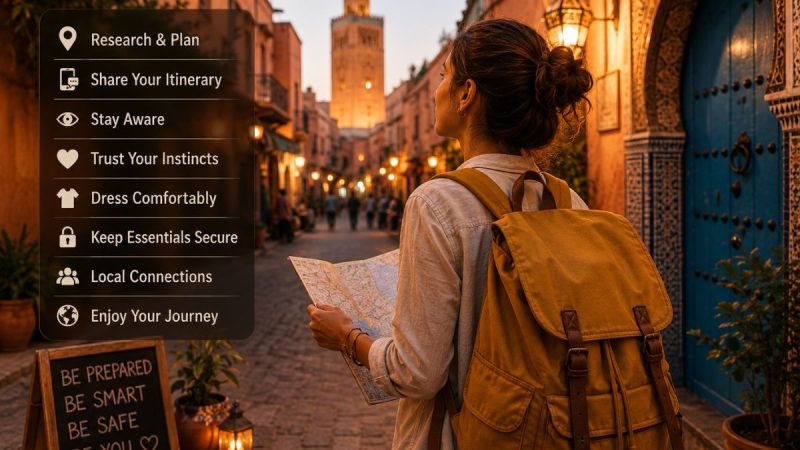
Attending Ambubachi Mela requires preparation and awareness.
Crowds can be large, and accommodation may be limited. Early planning is essential.
Light clothing, hydration, and patience are important, especially during the waiting period.
Respect for local customs and sensitivity to the nature of the festival are equally important.
For those exploring diverse cultural experiences across India, this festival offers a unique perspective within the broader landscape of
👉 summer festivals in India
A Festival That Redefines Sacred Time
Ambubachi Mela does not follow the usual rhythm of celebration. It interrupts it.
It shows that rest can be sacred, that cycles are essential, and that absence can hold meaning.
In recognizing the feminine not as abstraction but as process, it offers a perspective that feels both ancient and deeply relevant.
It reminds us that creation is not continuous. It comes in phases.
And sometimes, the most powerful phase is the one where everything pauses.
FAQs
What is Ambubachi Mela
It is a festival at Kamakhya Temple marking the annual menstruation of the goddess and a period of temple closure.
Where is Ambubachi Mela celebrated
It is celebrated at Kamakhya Temple in Assam.
When does Ambubachi Mela take place
It usually takes place in June during the monsoon onset.
Why is the temple closed during Ambubachi
The closure symbolizes the goddess resting, reflecting natural cycles of regeneration.