
Are We Glorifying Obesity In The Name Of Acceptance?
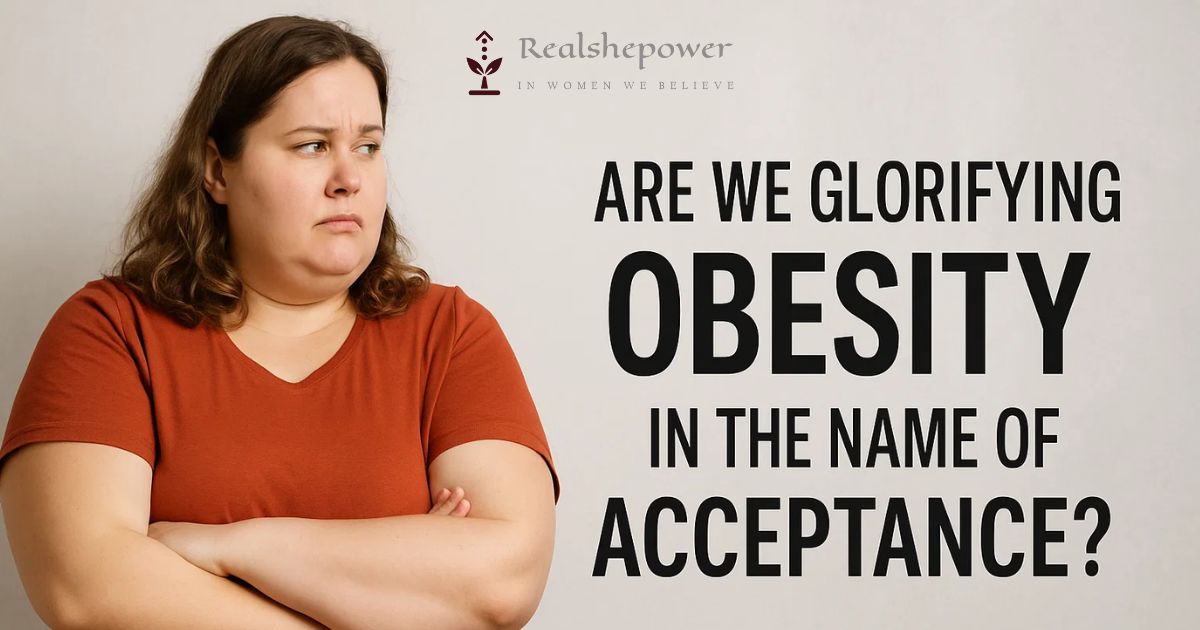
The body positivity movement, which encourages people to embrace their bodies regardless of size, shape, or appearance, has sparked both admiration and controversy. On one hand, it champions self-love and challenges unrealistic beauty standards; on the other, critics argue it risks normalizing unhealthy lifestyles and even obesity. The question is whether body positivity is a force for acceptance or an inadvertent endorsement of unhealthiness. The truth, as usual, lies in a messy middle.

Want That Dream Body? Here’s What Nobody Tells You!
Discover the untold fitness hacks, nutrition truths, and daily rituals that celebrities swear by. These secrets to a perfectly toned body go beyond the gym—and they’re finally revealed!
💪 Read the Secrets Now →Let’s start with the movement’s strengths. Body positivity has been a lifeline for many, particularly those marginalized by mainstream beauty ideals—people of color, those with disabilities, or anyone who doesn’t fit the airbrushed mold of a magazine cover. It’s rooted in the idea that self-worth isn’t tied to physical appearance, a radical stance in a world obsessed with perfection. Studies, like one from the Journal of Consulting and Clinical Psychology (2018), show that body-positive interventions can reduce body dissatisfaction and improve mental health outcomes, especially among women.
For individuals battling eating disorders or chronic self-esteem issues, this movement offers a counter-narrative to toxic diet culture and fat-shaming. It’s hard to argue against empowering people to feel comfortable in their own skin.

Smarter, Stronger, Faster: Your AI Gym at Home
Upgrade your workouts with Aroleap X – the all-in-one AI-powered strength training machine that adapts, tracks, and optimizes every rep. Say goodbye to guesswork and hello to data-driven fitness for both men and women!
🔥 Train Smart with Aroleap X →But here’s where the criticism bites. Some argue body positivity, in its zeal to celebrate all bodies, glosses over the health risks of obesity. The CDC reports that obesity is linked to higher risks of diabetes, heart disease, and certain cancers, with 42% of U.S. adults classified as obese in 2020. Critics contend that by framing every body as “healthy,” the movement can downplay these risks, potentially discouraging people from pursuing necessary lifestyle changes.
Anecdotes abound of influencers promoting body positivity while sidestepping questions about health, creating a perception that any critique of weight is inherently hateful. This can feel like a slippery slope toward excusing inaction, especially when the movement’s messaging veers into “health at every size” without nuance.
The tension boils down to intent versus impact. Body positivity’s intent—to foster acceptance—is noble, but its impact can sometimes blur lines between self-love and self-care. Health isn’t just about weight, of course; it’s about nutrition, exercise, and mental well-being. Yet, the movement often shies away from these discussions, perhaps fearing they’ll be weaponized into fat-shaming. This avoidance can alienate those who see health as a legitimate concern, not a judgment.
Smarter, Stronger, Faster: Your AI Gym at Home
Upgrade your workouts with Aroleap X – the all-in-one AI-powered strength training machine that adapts, tracks, and optimizes every rep. Say goodbye to guesswork and hello to data-driven fitness for both men and women!
🔥 Train Smart with Aroleap X →So, is body positivity promoting unhealthiness? Not inherently, but it can when it prioritizes feelings over facts. Is it promoting acceptance? Absolutely, but it risks losing credibility if it ignores health altogether. The solution isn’t to scrap the movement but to evolve it. Imagine a body positivity that celebrates all bodies while encouraging holistic well-being—mental, physical, and emotional. It’s not about policing people’s choices but about balancing self-love with self-respect. We can love our bodies as they are while still striving to care for them. That’s not contradiction; it’s maturity.
The movement’s future depends on its ability to embrace this complexity. If it can champion acceptance without dismissing health, it’ll be a powerful force for good. If not, it risks becoming a feel-good echo chamber, drowned out by its own excesses.
Want That Dream Body? Here’s What Nobody Tells You!
Discover the untold fitness hacks, nutrition truths, and daily rituals that celebrities swear by. These secrets to a perfectly toned body go beyond the gym—and they’re finally revealed!
💪 Read the Secrets Now →