
The Invisible Load: Why Women Carry More Than Anyone Realizes
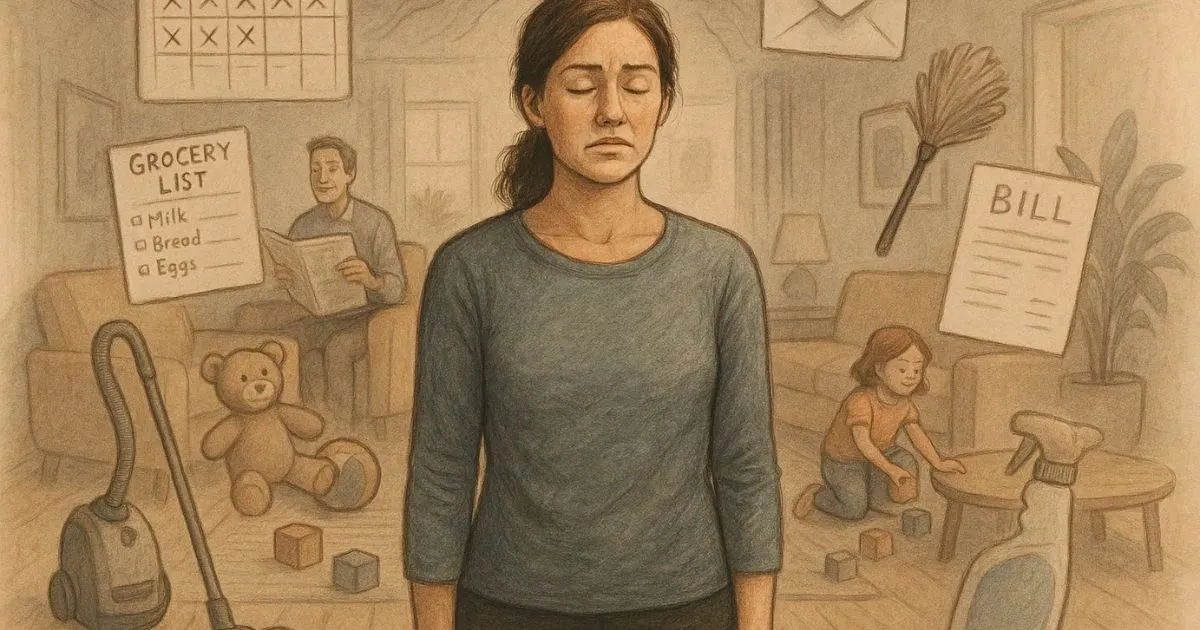
If you ask most women how their day went, they might shrug and say, “Busy, as always.” But underneath that simple reply lies something researchers and sociologists now call the invisible load. It is not just the physical work of jobs, childcare, or household chores. It is the constant mental weight of remembering, planning, anticipating, and worrying that women often carry in silence.
What is the Invisible Load?
The invisible load is everything women do that goes unnoticed. It is remembering birthdays, planning meals, checking the fridge before groceries run out, scheduling the doctor’s appointment, calming a child’s tantrum, managing family WhatsApp groups, or even making sure guests are comfortable. These tasks rarely show up on a to-do list, but they occupy mental space every day.
Psychologists call this cognitive labor. Unlike visible chores, it is not measured or easily divided. Which is why, even when men and women both “share the workload” at home, women still report feeling more exhausted.
Why Women Carry It More
Part of the reason is cultural conditioning. From an early age, girls are trained to be caretakers, organizers, and peacemakers. Society applauds women who are “thoughtful” or “selfless,” but rarely notices the cost of being constantly alert.
Even in modern households where couples share chores, studies show women still manage the mental load—tracking what needs to be done, reminding others, and ensuring nothing slips through.
The Science Behind It
Neuroscience confirms that multitasking and constant mental vigilance exhaust the prefrontal cortex—the decision-making hub of the brain. Over time, this leads to burnout, brain fog, and even resentment. That is why so many women feel drained even when they are “just at home.”
Honest Voices
On Reddit’s parenting forums, many women share that they feel like “household managers” rather than equal partners. One woman wrote, “My husband will help if I ask, but why do I always have to be the one keeping track of everything? The asking itself is work.”
Another woman put it bluntly: “It’s not the dishes, it’s remembering the dishes.” That constant vigilance is what makes the invisible load so heavy.
Breaking the Cycle
So how do we shift this? The first step is naming it. Once we call it “the invisible load,” it becomes real and not just a vague sense of unfairness.
The second step is redistribution. Partners, family members, and even workplaces must stop applauding women for “handling it all” and start sharing responsibility. This means not waiting to be asked, but actively noticing, remembering, and planning.
Finally, women need to allow themselves rest without guilt. It is not selfish to step back. It is survival. The brain, like any organ, needs recovery time to function.
Why It Matters
The invisible load is not a women’s issue; it is a human issue. Families run smoother, children thrive, and relationships deepen when the load is shared. Most importantly, when women are freed from this constant background noise, they have more energy to invest in their passions, careers, and dreams.
🌟 Takeaway
The invisible load is everywhere, but it does not have to be inevitable. By naming it, sharing it, and respecting it, we can create homes and workplaces where women are not silently carrying more than their share.