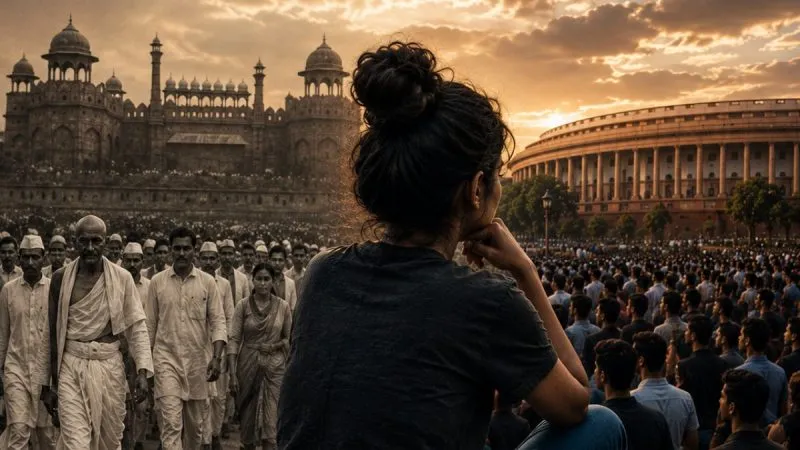
Rajput Women Chose the Flames of Jauhar to Defend Their Dignity Pride and Unbreakable Courage Against Every Invader
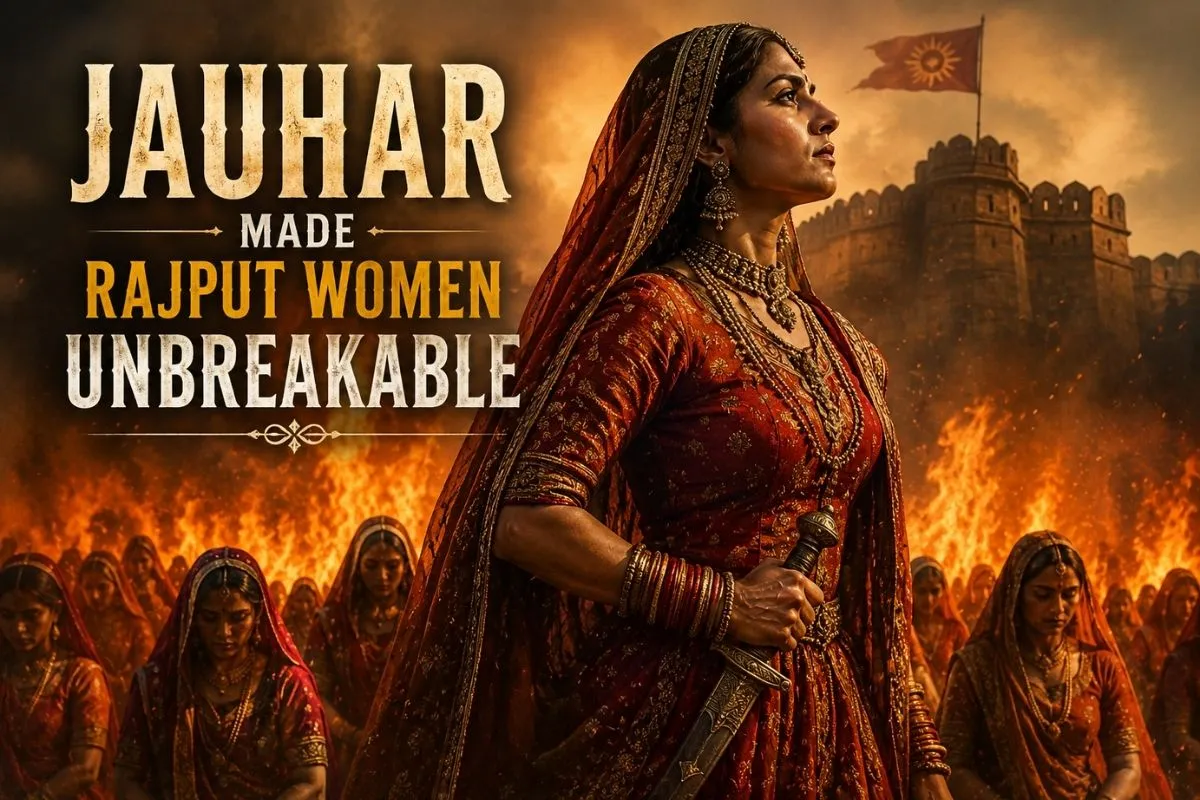
Swara Bhasker looked at the Jauhar scene in Padmaavat and saw cowards. She said the film tells rape survivors they are weak for choosing to live. She called the act problematic. She even shouted “chii” at a shot of a pregnant woman walking into the fire.
This view is not just wrong. It is an insult to history and to the women who lived it.
Jauhar was never about weakness. It was the final stand of Rajputana women who refused to become the property of invaders. When the fort walls were about to fall and defeat was certain, these women chose fire over chains. They chose death over a life of forced use, slavery, and humiliation. That choice took more courage than most people can imagine.
They did not die because society told them to. They died because they would not let any man own their body against their will. They protected their dignity with their last breath. They protected their children from a life of captivity. They walked into the flames with heads high, not as victims, but as free women who decided their own end.
Calling them cowards shows a deep failure to understand what they faced. Invading armies did not offer peaceful surrender. They offered rape, conversion, and lifelong bondage. Jauhar was the clear answer: you will not use us. You will not break us. You will not claim us.
This act forged a legacy of strength. Rajput women became known for fierce pride and unbreakable will. Their story still teaches that honour is not something others can take. It is something you hold, even when the only way left is to leave this world on your own terms.
Today some want to judge those women by modern comfort. They sit in safe rooms and lecture the dead about “right to life.” They ignore the terror of the battlefield and the certainty of what waited outside the fort. They reduce a powerful act of defiance into a simple suicide story.
Jauhar did not make women weak. It showed the world how strong they were. It proved that Rajputana women would rather burn than bow. That is not cowardice. That is pure courage. That is dignity. That is pride that no invader could touch.
Swara Bhasker may speak for herself. She does not speak for those women. History does. And history remembers them as warriors of the spirit who refused to be used by anyone.