How Disney, Fox, and Sony Rewrote the Bollywood Playbook
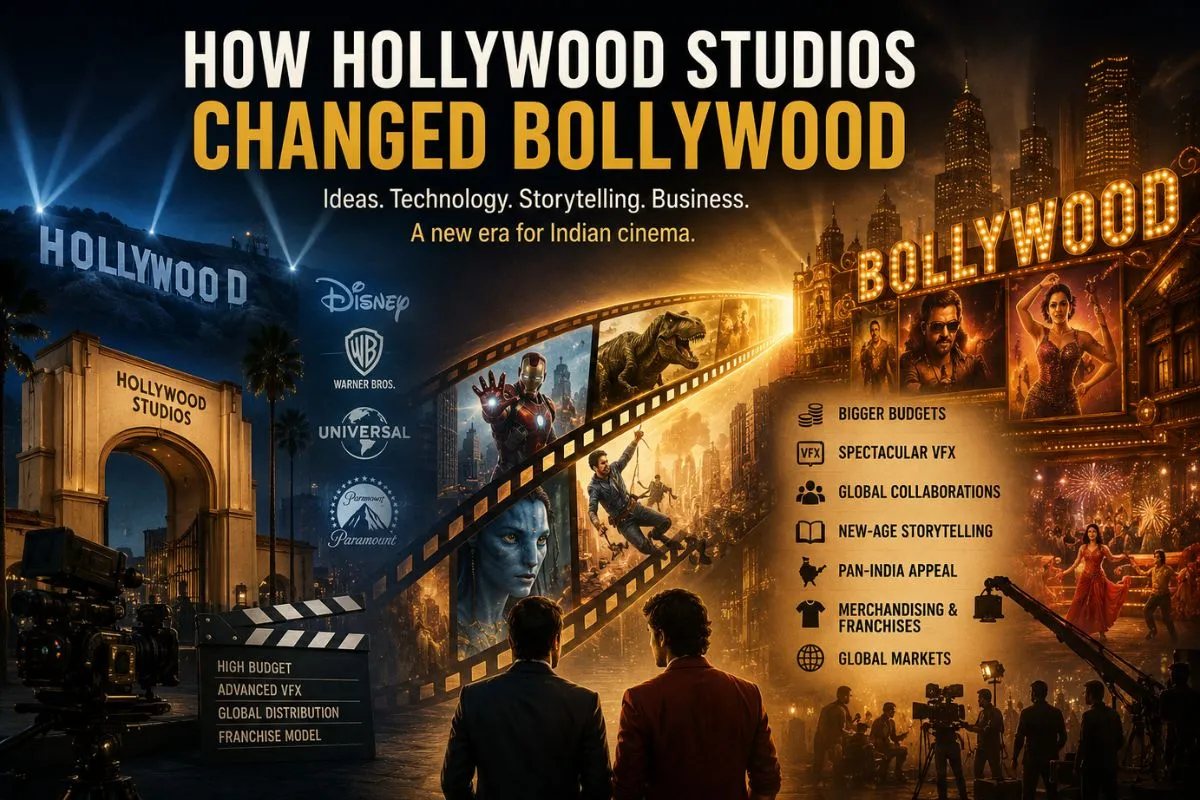
When Hollywood conglomerates likeDisney,Fox Star Studios,Sony Pictures, andViacom18established a direct operational footprint in India between 2007 and 2010, they did not just bring capital—they overhauled Bollywood’s entire operational architecture.
By replacing informal, trust-based traditions with standardized corporate practices, global studios transformed marketing, distribution, and talent management across three major areas:
1. Transformation of Talent Contracts & Legal Structure
Before global studios entered, contracts in Bollywood were notorious for being brief, vague, or entirely verbal, often sealed over informal handshakes (“commitments”). Hollywood studios introduced strict, enforceable legal frameworks.
- Multi-Picture & Exclusivity Deals:Studios introduced long-term, multi-film contracts for stars, directors, and writers (e.g., Disney’s early deal with Yash Raj Films, Fox Star’s multi-picture slates).
- Morality Clauses & Strict Liability:Contracts began incorporating standard Western corporate clauses: indemnification, non-disclosure agreements (NDAs), insurance requirements, and morality clauses that protected studio capital if a star was involved in a legal scandal.
- Profits vs. Backend Equity:Studios standardized “backend participation” models. Top stars transitioned from receiving unaccounted lump-sum payments in cash to structured back-end equity shares (percentage of net box-office profits or satellite/digital rights).
- Rights Consolidation (IP Ownership):Historically, music, international, and satellite rights were piecemeal-sold to different third-party vendors. Foreign studios insisted on retaining100% intellectual property (IP) ownership, paving the way for remakes, sequels, and merchandise franchises.
2. Revolutionizing Distribution & Box-Office Transparency
Distribution before 2007 was fragmented into “territories” (e.g., Mumbai, Delhi-UP, CP-CI, Mysore) managed by independent regional distributors who relied on physical print counts and often reported delayed or inaccurate box-office figures.
                      DISTRIBUTION EVOLUTION
┌────────────────────────────────┐    ┌────────────────────────────────┐
│   PRE-2007 REGIONAL MODEL      │    │  POST-STUDIO INTEGRATED MODEL  │
├────────────────────────────────┤    ├────────────────────────────────┤
│ • Sold to regional distributors│    │ • Centralized studio distribution│
│ • Physical film prints (costly)│ ──>│ • Digital Cinema Projection    │
│ • Delayed, unverified reporting│    │ • Real-time electronic tracking│
│ • Staggered territorial releases│    │ • Day-and-Date Wide Releases   │
└────────────────────────────────┘    └────────────────────────────────┘
- Day-and-Date Global Releases:Global studios leveraged their existing worldwide distribution pipelines. Rather than releasing a film in India and waiting weeks to launch in foreign markets, they introduced coordinated“Day-and-Date” global releases, opening films on thousands of screens simultaneously across 40+ countries.
- Digital Cinema Projection (Virtual Print Fee):Studios accelerated the shift from expensive physical 35mm film reels to digital projection (UFO Moviez, Scrabble). This lowered printing costs by over 80% and allowed a blockbuster to open on 3,000+ screens at once instead of just 400–500 single-screen theaters.
- Box-Office Rent Tiers:Studios used their leverage to negotiate standardized revenue-sharing models with multiplex chains (e.g., 50% net share in Week 1, 42% in Week 2, 37% in Week 3), bringing financial predictability to theatrical runs.
3. Professionalization of Marketing & Media Campaigns
In the 1990s and early 2000s, movie marketing consisted mostly of wall posters, newspaper advertisements, audio launch events, and brief actor interviews on state or satellite television. Global studios brought structured, data-driven promotional campaigns.
- Structured “360-Degree” Campaigns:Studios introduced meticulously scheduled 8-to-12-week marketing cycles starting from teaser drops, trailer launches, music video reveals, to press tours across Tier-1 and Tier-2 cities.
- Corporate Brand Tie-Ins:Following Hollywood playbook strategies, studios partnered with FMCG brands, telecom operators, and automobile giants for co-branded television commercials and cross-promotions, offsetting up to 20–30% of a film’s marketing budget.
- Audience Analytics & Testing:For the first time, Bollywood films underwent focus-group screenings, tracking studies, and data-driven demographic targeting to determine trailer cuts, poster designs, and target release dates.
- Digital & Social First:In the late 2000s, studios spearheaded the transition to YouTube trailer premieres, social media fan pages, and interactive digital campaigns, making digital presence a non-negotiable metric for a film’s hype.
The Long-Term Impact
While some traditional filmmakers initially resisted the heavy corporate bureaucracy and legal paperwork, the studio model permanently modernized Bollywood. By the early 2010s, domestic powerhouses like Yash Raj Films, Dharma Productions, and Nadiadwala Grandson fully adopted the same corporate systems, creating the modern infrastructure that defines Indian cinema today.