Netflix’s The Woman King Review: A Fierce Feminist Epic That Rewrites and Redefines History
Streaming on Netflix | 4/5 stars
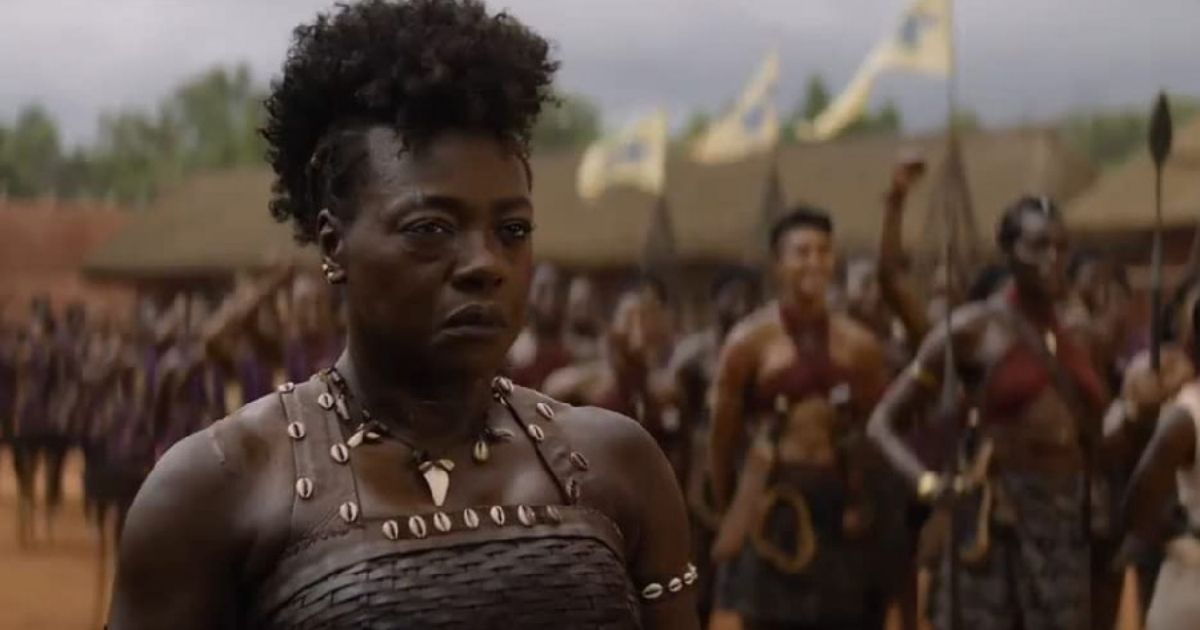
The Woman King arrived with the weight of history and the promise of revolution. Directed by Gina Prince-Bythewood and led by an unrelenting Viola Davis, this historical action-drama tells the story of the Agojie—an all-female warrior unit that defended the West African kingdom of Dahomey during the 1800s. On the surface, it’s a triumphant, long-overdue portrayal of Black female strength. But beneath the roar of battle and the rallying cries of justice, the film navigates complex terrain—both emotional and historical.
🔥 Viola Davis Leads with Power and Pain
Let’s be clear—Viola Davis does not act in The Woman King; she commands it. As General Nanisca, Davis delivers a performance brimming with ferocity, wisdom, and buried trauma. Her physical transformation is impressive, but it’s her emotional depth that grounds the film. She doesn’t play a warrior—she becomes one. It’s a role that could easily veer into caricature, yet Davis renders it hauntingly human.
Lashana Lynch adds levity and soul, while Thuso Mbedu’s coming-of-age arc offers a youthful counterbalance to the weight of tradition and trauma. Together, they form a generational mosaic of strength, defiance, and sacrifice.
🎬 Cinematic Brilliance Meets Cultural Representation
Prince-Bythewood’s direction is confident, fluid, and cinematic. Battle scenes are intimate yet epic—stylized without feeling staged. Every frame pulses with purpose, aided by Terence Blanchard’s sweeping score and the rich textures of African costume and set design. The Woman King doesn’t just entertain; it asserts a cultural identity that is rarely centered in mainstream cinema.
For Black women, and for women of color globally, this film is a moment. Not just for the action, but for the space it claims: bold, unapologetic, and sovereign.
⚖️ But Let’s Talk About the History
Here’s where The Woman King invites legitimate criticism. While the film is “inspired by true events,” it sidesteps some troubling truths—namely, the Kingdom of Dahomey’s deep involvement in the transatlantic slave trade. In The Woman King, this history is reframed, softened, and at times, barely acknowledged. It’s a storytelling choice that may serve the film’s thematic goals but undercuts historical accuracy.
This doesn’t ruin the film—but it does complicate its legacy. For a film that dares to tell untold stories, its reluctance to confront darker truths feels like a missed opportunity.
Don’t miss: La Mulâtresse Solitude: A symbol Of Slavery And Freedom
✍️ Storytelling That Sometimes Plays It Safe
Despite its groundbreaking premise, the narrative arc plays out with predictable beats: the young defiant recruit, the haunted leader, the looming external threat. These tropes aren’t necessarily bad—they work—but they keep the film tethered to a familiar Hollywood formula. Some subplots, particularly romantic and political ones, feel underdeveloped or rushed.
You want the story to soar higher. And sometimes, it doesn’t quite reach.
⭐ Final Verdict: A Necessary, Imperfect Triumph
The Woman King is not flawless—but its flaws don’t define it. This is a rare kind of film: visually stunning, emotionally powerful, and culturally significant. It carves space for a new kind of epic—one where women lead, bleed, love, and rise.
Yes, it rewrites history. But it also rewrites what action films can be when they center the right voices.
Watch it—for the performances, for the beauty, for the power. Then talk about it—for the questions it raises and the truths it sidesteps.
Rating: ⭐️⭐️⭐️⭐️ (4 out of 5)