
The Truth of Kashmir: An Unvarnished Opinion

The truth of Kashmir is a complex and multifaceted issue that requires an unflinching look at history, politics, and human suffering. It’s a narrative of conflict, betrayal, and enduring pain, rooted deeply in the subcontinent’s colonial past and exacerbated by the geopolitical aspirations of India, Pakistan, and even external powers. This opinion piece aims to shed light on the raw, unadulterated truth of Kashmir, avoiding the usual diplomatic hedging.
Table of Contents
Historical Context and Genesis
The genesis of the Kashmir conflict can be traced back to the partition of British India in 1947, a hurried and poorly managed process that led to the creation of two nations: India and Pakistan. The princely state of Jammu and Kashmir, with a Muslim majority population but a Hindu ruler, Maharaja Hari Singh, found itself in a precarious position. The ruler’s indecision and the subsequent invasion by tribal militias from Pakistan pushed Hari Singh to accede to India in exchange for military assistance, sparking the first Indo-Pak war.
This war led to the United Nations-mediated ceasefire in 1949, establishing the Line of Control (LoC) and leaving Kashmir divided between India and Pakistan, a division that has persisted and been a source of contention for decades.
The Exodus and Genocide of Kashmiri Hindus
One of the most tragic and often overlooked aspects of the Kashmir conflict is the exodus and genocide of the Kashmiri Pandits, a Hindu minority community. In the late 1980s and early 1990s, the rise of militancy, fuelled by both local insurgents and Pakistani-backed groups, led to targeted killings, threats, and widespread intimidation of the Pandit community. This resulted in the mass exodus of nearly 300,000 Kashmiri Hindus from the valley, forcing them to abandon their ancestral homes and seek refuge in other parts of India under dire conditions.
The atrocities committed against the Kashmiri Pandits included brutal murders, rapes, and destruction of property. The militants issued threats through newspaper announcements, mosque speeches, and posters, demanding that Pandits either convert to Islam, leave the valley, or face death. This systematic campaign of terror aimed to create a homogenous Muslim Kashmir, free of its Hindu inhabitants, and is a dark chapter in the history of the region that must not be ignored.
The Torture and Torment
Kashmir’s history since 1947 is marred by violence and repression. The region has witnessed multiple wars, insurgencies, and a constant state of military presence, leading to widespread human rights violations. The Indian-administered side of Kashmir, in particular, has seen draconian measures like the Armed Forces Special Powers Act (AFSPA), which grants the military sweeping powers and immunity, often resulting in extrajudicial killings, enforced disappearances, and torture.
The insurgency that erupted in the late 1980s, driven by a combination of local discontent and cross-border terrorism, intensified the region’s suffering. Militancy and counter-insurgency operations turned the valley into a battleground, with civilians caught in the crossfire. Reports of mass graves, unmarked burial sites, and thousands of disappeared persons have emerged over the years, painting a grim picture of systemic violence and neglect.
Political Betrayal and Broken Promises
The political landscape of Kashmir is littered with broken promises and betrayal. The promise of a plebiscite, as mandated by the UN resolutions, remains unfulfilled. Successive Indian governments have oscillated between attempts at political engagement and heavy-handed military responses, often prioritizing national security over human rights.
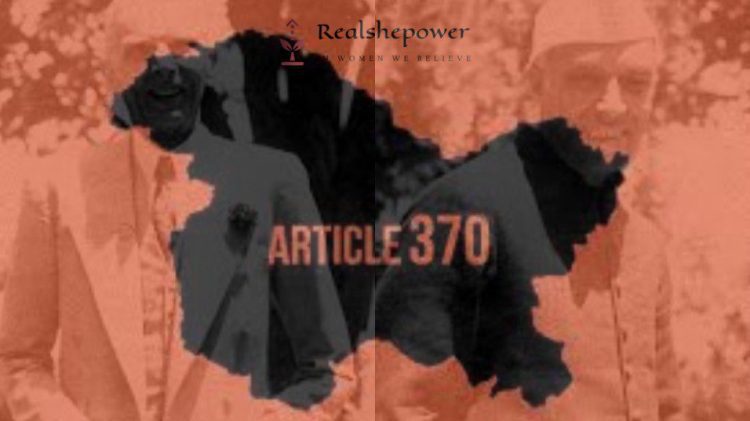
The abrogation of Article 370 and 35A in August 2019, which granted special autonomy to Jammu and Kashmir, marked a significant turning point. The move, executed without local consent and accompanied by a stringent lockdown and communication blackout, was perceived as a betrayal by many Kashmiris, exacerbating feelings of alienation and resentment.
Militant Eulogization and the Path of Violence
A significant issue that needs addressing is the glorification of militancy within sections of the Kashmiri Muslim population. Figures like Burhan Wani, a commander of the militant group Hizbul Mujahideen, have been eulogized as martyrs, with their deaths sparking widespread protests and further violence. This romanticization of terrorism not only perpetuates the cycle of violence but also derails the prospects of peace and reconciliation.
It is crucial for the Kashmiri Muslim community to recognize the futility of armed struggle and the immense harm it brings to their own society. The glorification of terrorists serves no purpose other than to sow further discord and destruction. A shift towards peaceful resistance and dialogue, grounded in the realities of coexistence and mutual respect, is essential for any meaningful progress.
Economic and Social Impact
The prolonged conflict has also had devastating economic and social impacts. Tourism, once a thriving industry in the picturesque valley, has dwindled. Education and healthcare infrastructure are in shambles, and unemployment rates are high. The constant state of uncertainty and violence has led to a generation of Kashmiris growing up in a climate of fear and hopelessness.
The Human Cost
At the heart of the Kashmir conflict lies the human cost. Families torn apart, children orphaned, and countless lives disrupted. The psychological trauma inflicted on the population, particularly the youth, is immeasurable. The stories of torture survivors, half-widows (women whose husbands have disappeared), and displaced persons are a testament to the enduring pain and suffering.
Conclusion
The truth of Kashmir is a painful narrative of historical blunders, political miscalculations, and relentless human suffering. It is a story that demands honesty and empathy, transcending nationalistic fervor and geopolitical strategies. The people of Kashmir, both Hindus and Muslims, deserve justice, dignity, and a peaceful resolution to their plight, one that acknowledges their aspirations and addresses their grievances. Only through an honest reckoning with the past, a rejection of violence, and a compassionate approach to the future can we hope to find a lasting solution to this protracted conflict.
Don’t Miss: Kashmir Issue Explained In Simple Words
References for Further Reading on Kashmir
1. “Kashmir: The Vajpayee Years” by A.S. Dulat
- A memoir by the former head of India’s external intelligence agency, providing insights into the political and intelligence landscape of Kashmir during Atal Bihari Vajpayee’s tenure.
2. “Kashmir: A Disputed Legacy, 1846-1990” by Alastair Lamb
- A comprehensive historical account of the Kashmir conflict, tracing its roots from the mid-19th century to the late 20th century.
3. “Curfewed Night” by Basharat Peer
- A personal memoir that offers a poignant and powerful narrative of the conflict from a Kashmiri perspective, highlighting the human cost of the ongoing violence.
4. “The Pity of Partition: Manto’s Life, Times, and Work across the India-Pakistan Divide” by Ayesha Jalal
- While focusing on Saadat Hasan Manto, this book provides a broader context of the partition and its enduring impact on regions like Kashmir.
5. Human Rights Watch Reports
- Comprehensive reports documenting human rights abuses in Kashmir, providing a detailed account of the violations by both state and non-state actors.
- Available at: Human Rights Watch – Kashmir
6. “The Story of Kashmir: From Ancient Times to the Present Day” by David Devadas
- An accessible yet detailed narrative that covers the history and current affairs of Kashmir, emphasizing the socio-political dynamics of the region.
7. Amnesty International Reports on Kashmir
- Detailed reports on human rights violations, including enforced disappearances, torture, and the impact of the Armed Forces Special Powers Act (AFSPA).
- Available at: Amnesty International – Kashmir
8. “Our Moon Has Blood Clots: A Memoir of a Lost Home in Kashmir” by Rahul Pandita
- A moving account of the exodus of Kashmiri Pandits, providing a personal and historical perspective on the tragic events of the late 1980s and early 1990s.
9. “Kashmir in Conflict: India, Pakistan and the Unending War” by Victoria Schofield
- An in-depth analysis of the Kashmir conflict, examining the historical, political, and social factors that have shaped the ongoing dispute.
10. United Nations Reports on Kashmir
- Various reports and resolutions by the United Nations detailing the international perspective on the Kashmir conflict and the humanitarian situation.
- Available at: United Nations – Kashmir
These references provide a balanced and comprehensive understanding of the Kashmir conflict from multiple perspectives. They include historical accounts, personal memoirs, human rights reports, and scholarly analyses to offer a well-rounded view of the region’s complexities.
Disclaimer
The views and opinions expressed in this article are those of the author and do not necessarily reflect the official policy or position of RealShePower. The content is intended for informational and entertainment purposes only and should not be considered as professional advice. Readers are encouraged to conduct their own research and form their own opinions based on a variety of sources. We welcome diverse perspectives and encourage readers to share their thoughts and feedback with us.