Is The Old Money Aesthetic Really About Money At All?
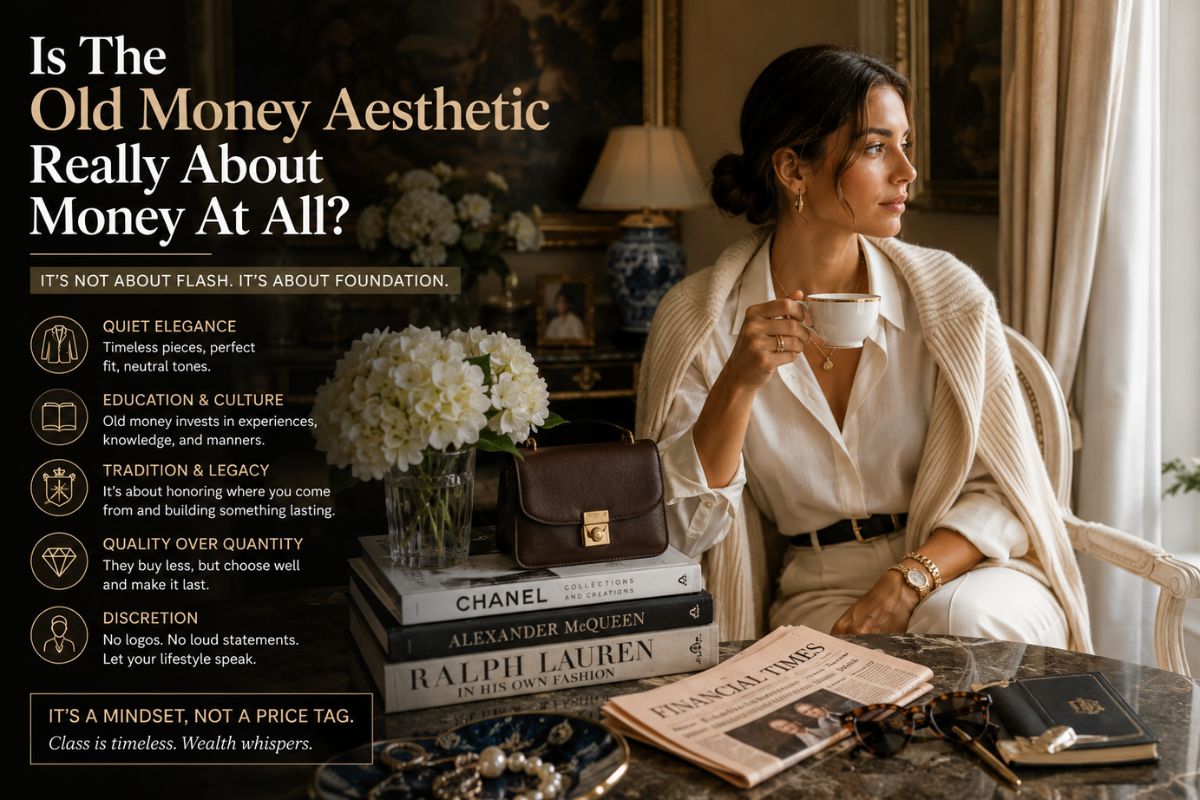
The old money aesthetic took over every fashion feed this year, all camel coats, tailored trousers, and quiet neutral tones that somehow look more expensive than anything with a visible logo. The irony is that most of this look has almost nothing to do with actual spending.
Real Shee Power is your style bestie, helping you dress with confidence, not confusion.
Old money style is really a set of rules about fit, fabric, and restraint, not a price tag. Once you understand the rules, you can build the entire look at almost any budget.
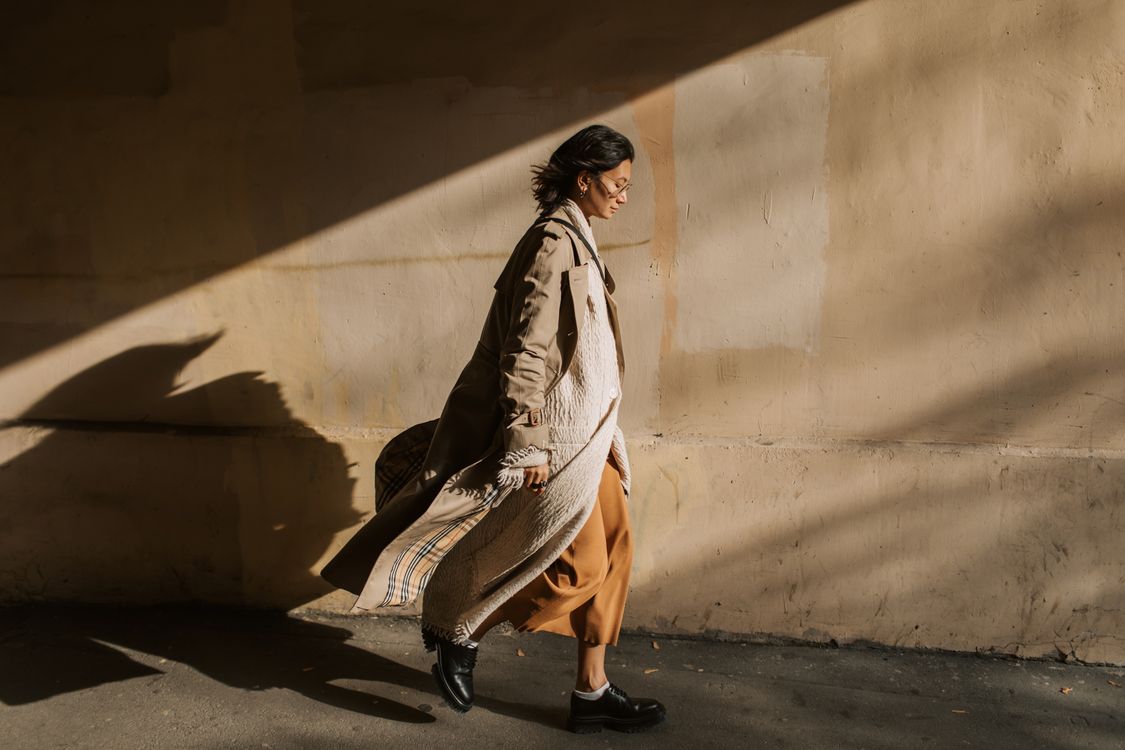
Photo by Vlada Karpovich via Pexels
Rule One: Fit Beats Price Every Single Time
A ten dollar shirt tailored to actually fit your body reads more expensive than a hundred dollar shirt that hangs wrong. This is the single biggest thing people miss. Old money style photographs so well because nothing is baggy, nothing is too tight, everything sits exactly where it should.
Take one thing from this article and let it be this. Before buying anything new, get your existing basics tailored. A five dollar hem or a ten dollar waist adjustment changes how an entire outfit reads.
Rule Two: A Tiny, Disciplined Color Palette
Camel, cream, navy, black, white, and maybe one deep forest green or burgundy. That is essentially the whole palette. Nothing neon, nothing with a busy pattern competing for attention.
This is the exact same principle behind a working capsule wardrobe, and if you already built one using our capsule wardrobe guide, you are most of the way to this look already without spending a single extra rupee.
Rule Three: Natural Fabrics Over Anything Synthetic
Wool, cotton, linen, silk, cashmere if your budget allows it. These fabrics drape differently than polyester blends, they wrinkle in a way that looks intentional rather than sloppy, and they simply photograph better in natural light. You do not need designer labels, you need natural fibers.
🧞♀️ Real Shee Power Genie Takeaway
Old money style is not a shopping list, it is a filter. Before buying anything new, ask if it is well fitted, in a neutral tone, and made from a natural fabric. If it fails even one of those three, skip it, no matter how good the price looks.
Rule Four: Accessories Should Whisper, Not Shout
One quality watch, a simple leather bag, pearl or gold studs instead of anything oversized. The whole point of this aesthetic is that nothing screams for attention, everything just quietly works together.
Rule Five: Invest In The Pieces That Do The Most Work
If you can only upgrade a few things, prioritize a well fitted blazer, a good trench coat, and a proper pair of leather or leather look loafers. These three pieces alone can carry an entire wardrobe of otherwise budget basics.
A Simple 5 Piece Old Money Starter Kit
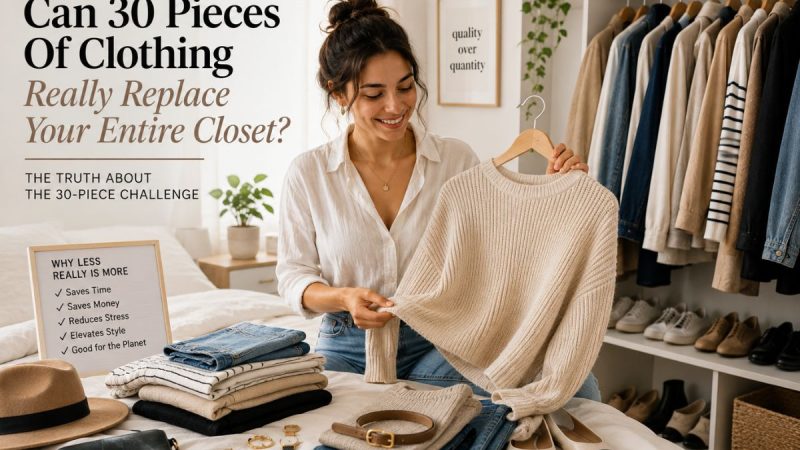
A camel or beige trench coat, a white button down shirt, well fitted straight leg trousers in navy or black, a simple knit sweater in cream or grey, and one pair of clean loafers or ballet flats. Mix and match these five pieces and you already have close to two weeks of outfits.
FAQs
Do I need designer brands for the old money look? No. Fit, fabric, and color discipline matter far more than the label. Many budget retailers now make natural fiber basics that work perfectly for this aesthetic.
What colors should I avoid for this style? Neon brights, busy prints, and anything with large visible logos work against the look. The whole aesthetic relies on quiet, cohesive neutrals.
Can this style work for a casual, everyday wardrobe? Yes, and it often works better casually than formally. A well fitted sweater and trousers combination is both comfortable and reads exactly as intentional as a full tailored outfit.
Is old money style the same as quiet luxury? They overlap heavily. Quiet luxury leans slightly more minimal and monochrome, while old money style allows a touch more traditional pattern like subtle stripes or houndstooth, but the core rules of fit and fabric are nearly identical.