How Mising Women Weavers are Scaling Indigenous Knowledge in a Digital Economy
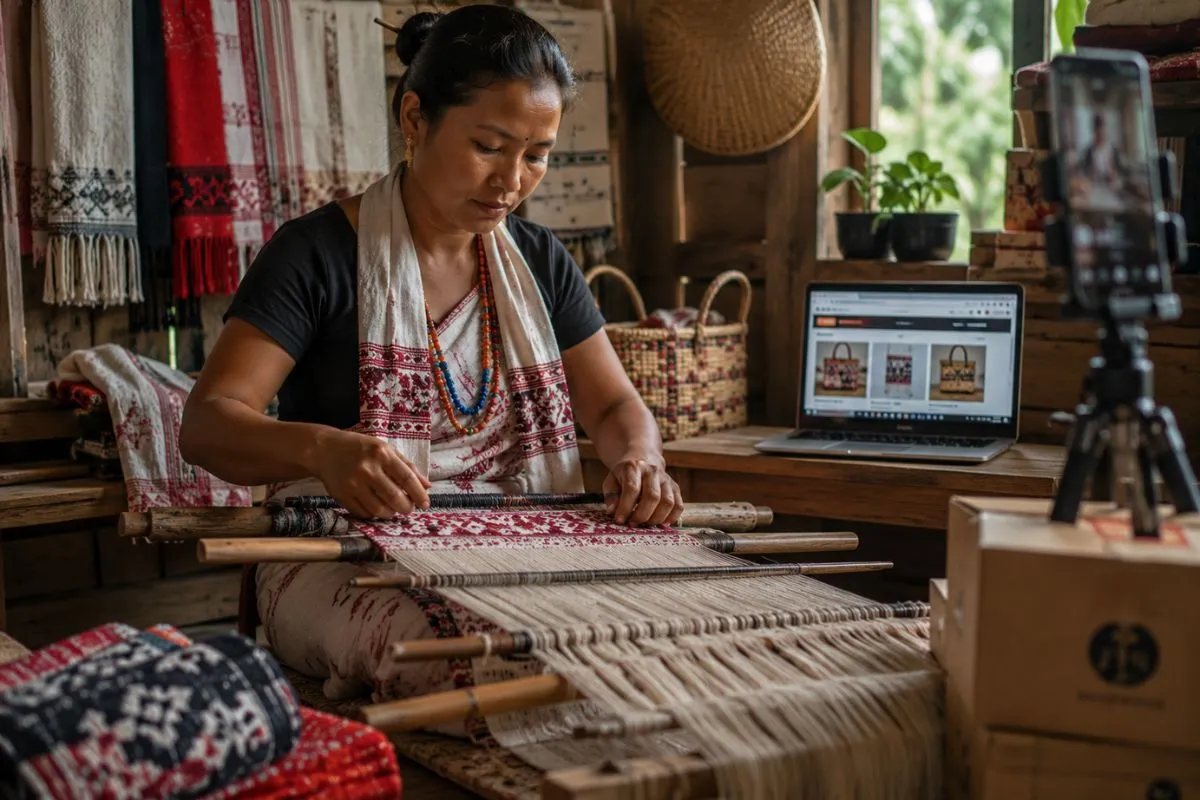
The riverine landscape of the Brahmaputra valley dictates more than just the geography of Assam; it shapes the literal material culture of its indigenous communities. Among the second largest tribal population in the state, the Mising community has spent centuries developing a highly specialized, sophisticated system of visual expression. Far from a mere domestic hobby or passive rural craft, weaving within Mising society is recognized as an intense site of gendered intellectual labor.
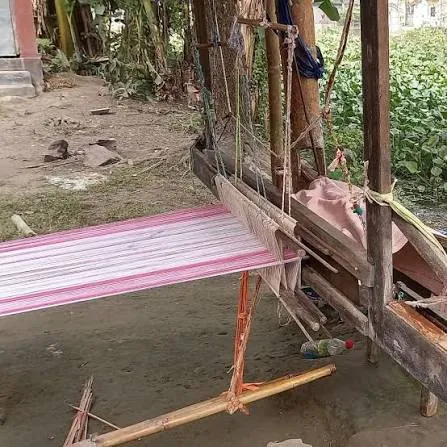
Historically, Mising Taat (handloom) functioned as an unwritten archive. It was a repository of cosmological beliefs, environmental observations, and genealogical lineages passed down through generations of women. Today, as the community navigates the realities of digital capitalism and globalization, an emerging vanguard of Mising women weavers is fundamentally transforming this ancestral knowledge system into a highly sustainable, self-reliant economic engine.
The Geometry of Fabric: Decoding the Mising Visual Grammar
To understand a Mising textile is to read the hydroclimatic and spiritual realities of the Brahmaputra plains. The woven motifs are almost exclusively of an intricate, angular geometric type. Using crisp, contrast heavy palettes, master female weavers meticulously map structural, floral, and zoomorphic symbols onto everyday and ceremonial attire.
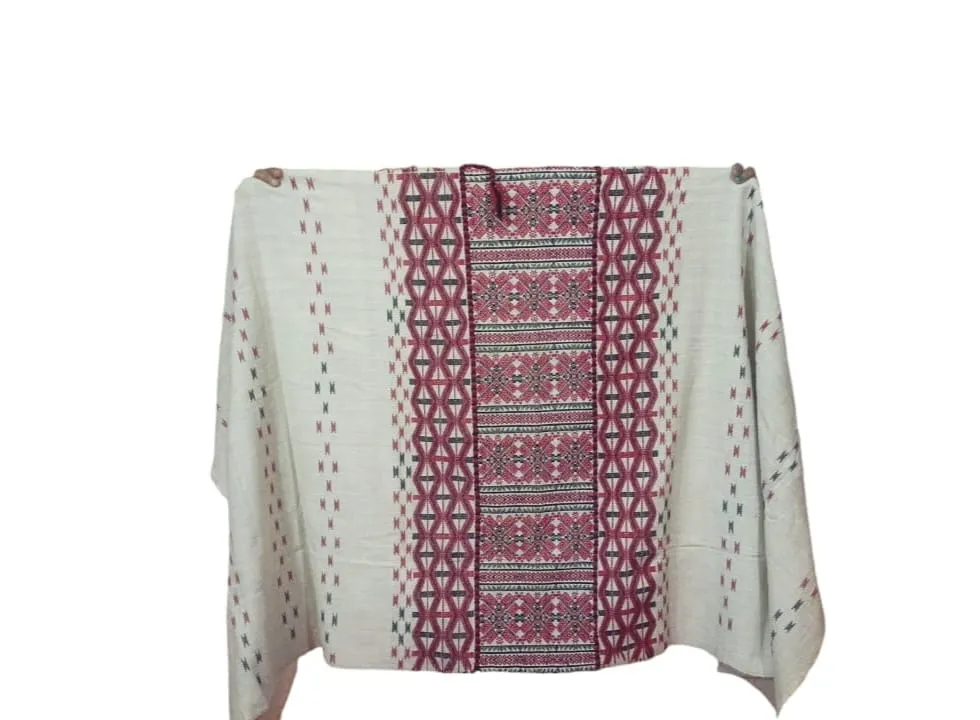
The absolute emotional and cultural core of a Mising woman’s textile repertoire is the Gero. This is a ritual centerpiece textile essential to life cycle ceremonies, marriages, and transition rituals. The Gero retains a highly fixed color grammar and rigid arrangement of horizontal bands and diamond shaped (daam) decorations. These lines act as structural barriers against environmental threats and spiritual instability.
Conversely, daily garments like the Mekhela Sador and the traditional wrap around skirt, the Gale, display incredible flexibility. Weavers utilize high grade, breathable Padmini cotton and rich wild silks like Muga and Eri to adapt these ancient patterns into versatile drapes that appeal directly to global conscious fashion consumers.
The Supply Chain Shift
Here is the code for a responsive data component visualizing the economic transition. It is completely isolated and safe to paste anywhere into your content editor.
Mising Supply Chain Evolution
The Historical Middleman Era
The 2026 Digital Cooperative Shift
The GI Tag Milestone: Securing Legal and Intellectual Property
For decades, the biggest threat to the survival of authentic indigenous weaving was not a lack of interest; it was predatory market encroachment. Cheap, power loom imitations manufactured outside the Northeast using synthetic, low grade fibers and distorted replicas of Gamik motifs consistently flooded regional markets. This drove down artisan incomes and diluted the cultural legitimacy of the craft.
The dynamic shifted dramatically when Assam Mising Handloom Products officially received their Geographical Indication (GI) Tag. This landmark legal recognition accomplished two critical structural goals:
- Intellectual Property Protection: It made the unauthorized, machine driven commercial production and mislabeling of traditional Mising patterns illegal, protecting the community’s ancestral brand value.
- Premium Positioning: It provided rural handloom cooperatives with a distinct competitive advantage in premium national and international slow fashion markets, proving that indigenous craftsmanship carries undeniable commercial weight.
This movement toward reclaiming economic and narrative agency reflects ongoing socio-political discussions championed by advocacy groups and digital platforms like RealShePower, which have long argued that actual empowerment for indigenous women begins when their traditional intellectual properties are legally and financially safeguarded against exploitation.
Digital Ecosystems and Autonomous Financial Rails
The contemporary scaling of Mising handlooms is heavily backed by targeted initiatives from the Mising Autonomous Council (MAC). Recognizing that handloom is the largest unorganized source of livelihood across the riverine belt next to agriculture, specific focus has been placed on the digital training of female artisans.
Rural women entrepreneurs are no longer dependent on local middlemen who historically squeezed profit margins. By leveraging digital platforms, specialized expos, and online direct to consumer marketplaces, weavers from regions like Lakhimpur, Dhemaji, and the river island of Majuli are shipping premium, handmade garments directly to urban centers across India and global heritage fashion networks.
Sustainable Future: The Multiplier Effect of Fabriculture
This hybrid socio-economic model, frequently analyzed as fabriculture, is proving that local heritage and modern market demands can coexist perfectly. By turning a domestic practice into a structured business ecosystem, Mising women are driving financial inclusion across rural Assam.
The revenue generated from these direct sales does not just stay in bank accounts; it is directly reinvested into community healthcare, children’s primary education, and localized climate resilient farming infrastructure. As these women weavers continue to preserve their ancestral geometry while conquering international digital spaces, they are sending a powerful message to the global design industry: indigenous art is not a static museum piece of the past; it is a living, breathing, and highly profitable model for the future of sustainable fashion.
For a closer look at the traditional lifestyle, floating architecture, and the geographical landscape that inspires these weavers every day, watch the Journey Through Upper Assam and the Riverine Villages to see the craftsmanship come to life in its native habitat.