What is an NBFC? Explained in Simple Terms
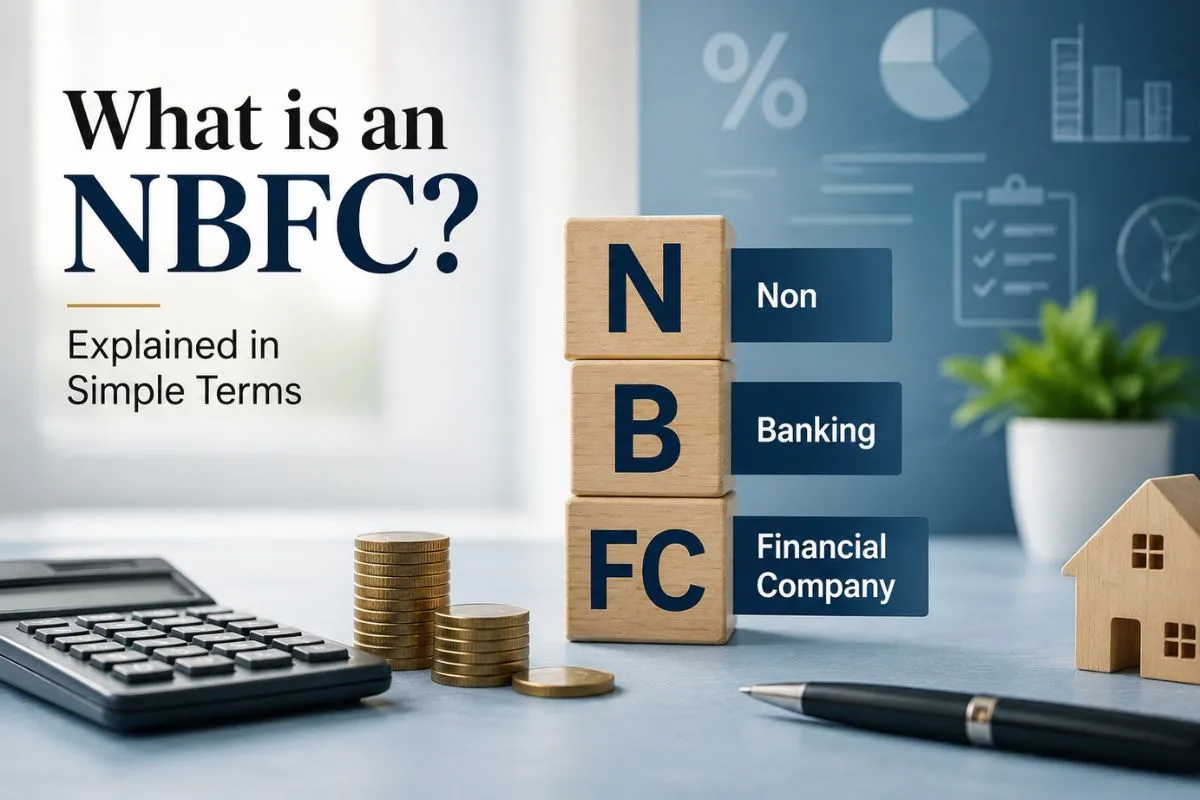
AnNBFCstands forNon-Banking Financial Company.
Think of it as a company that does many of the same things a bank does like giving loans, taking deposits (in some cases), or providing financial services, but it isnot a bank.
Simple Example
A regular bank is like a full-service supermarket for money.
An NBFC is more like a specialised store that focuses only on certain products (mainly loans and finance).
What Does an NBFC Do?
NBFCs mainly help people and businesses get money when they need it. Common activities include:
- Giving personal loans
- Providing home loans or vehicle loans
- Offering business loans or working capital
- Financing purchases (like phones, appliances, or equipment)
- Leasing or hire-purchase services
- Investing in stocks, mutual funds, or other securities
- Managing mutual funds or insurance (in some cases)
They make money by charging interest on loans or fees for their services.
How is an NBFC Different from a Bank?
| Feature | Bank | NBFC |
|---|---|---|
| Can accept demand deposits (savings accounts you can withdraw anytime) | Yes | No |
| Issues cheques | Yes | No |
| Part of the payment system | Fully integrated | Limited |
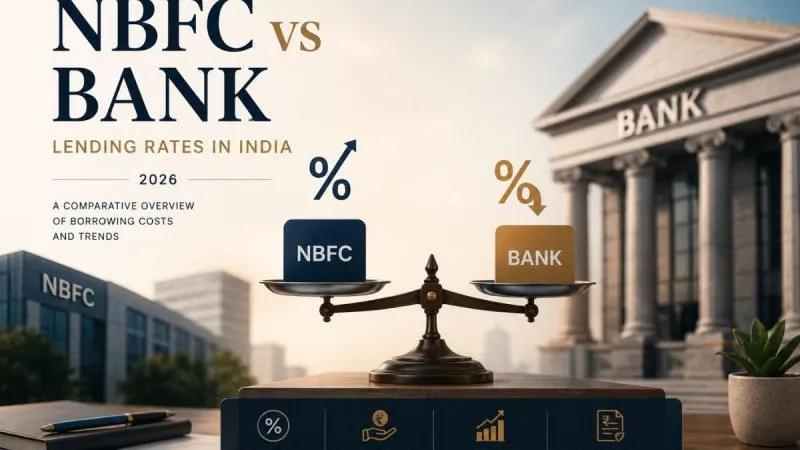
| Regulated by | RBI (very strictly) | RBI (but with lighter rules) |
| Main focus | Deposit-taking + lending + many services | Mostly lending and finance |
Key difference: Banks can take everyday savings from the public and allow instant withdrawals. Most NBFCs cannot do this. They raise money mainly from banks, investors, bonds, or their own funds, and then lend it out.
Why Do We Need NBFCs?
Banks often prefer giving loans to people with good credit scores, stable jobs, and strong documents.
NBFCs fill the gap. They are usually more flexible and reach:
- Small businesses
- People in smaller towns and rural areas
- First-time borrowers
- Those who need quick loans for vehicles, consumer goods, or education
In India, NBFCs play a big role in expanding credit access, especially through digital platforms.
Types of NBFCs (Simple Categories)
- Loan Companies– Focus mainly on giving loans (like many personal or business loan NBFCs).
- Investment Companies– Invest in shares, bonds, etc.
- Asset Finance Companies– Finance vehicles, machinery, equipment.
- Housing Finance Companies– Specialise in home loans (some are regulated separately).
- Microfinance Institutions– Give small loans to low-income groups.
- Infrastructure Finance Companies– Fund big projects like roads and power.
Some NBFCs are “deposit-taking” (they can accept fixed deposits under strict rules), while most are non-deposit taking.
Who Regulates NBFCs in India?
TheReserve Bank of India (RBI)regulates most NBFCs.
They must follow rules on:
- How much capital they need
- How much they can lend
- Risk management
- Customer protection
This protects the public and keeps the system stable.
Advantages of NBFCs
- Faster loan processing
- More flexible eligibility criteria
- Better reach in smaller cities and rural areas
- Innovative digital lending models
- Specialisation in specific products
Risks and Things to Watch
- Interest rates can sometimes be higher than bank rates
- Not all NBFCs are equally strong — always check if it is registered with the RBI
- Depositors have less protection compared to bank deposits (bank deposits are insured up to a limit)
Real-Life Connection
Companies like Bajaj Finance, Mahindra Finance, and Jio Credit (the lending arm of Jio Financial Services) are examples of NBFCs. They have grown rapidly by focusing on digital lending and serving customers that traditional banks may not fully reach.
Final Simple Summary
AnNBFCis a financial company that isnot a bankbut still provides loans and other money-related services.
It helps more people access credit, works with greater flexibility, and is regulated by the RBI — just not as strictly as a full bank.
In short:
Banks are the main highway for money.
NBFCs are the important side roads that help reach more destinations.
Suggested Reading
NBFCs, Fintech & the Shape of Credit in India
Six pieces on how lending outside traditional banks actually works, who the players are, and what the Jio–Bank of America deal signals about where it’s headed.
- 01 Jio Financial–Bank of America Deal: What It Means for Jio Credit→ Deal Explainer
- 02 What Is an NBFC? Explained→ Fundamentals
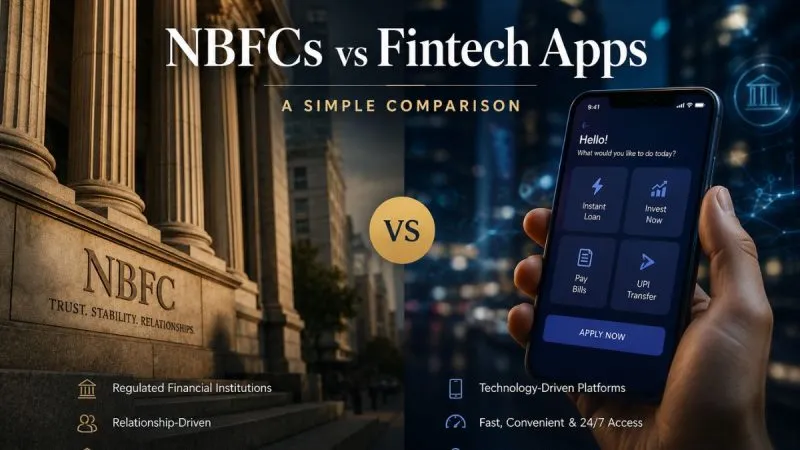
- 03 NBFCs vs Fintech Apps: A Simple Comparison→ Comparison
- 04 Alternative Credit Scoring Methods, Explained→ Fundamentals
- 05 Top 10 NBFCs in India as of Mid-2026→ Market Landscape
- 06 NBFC vs Bank Lending Rates in India 2026→ Comparison