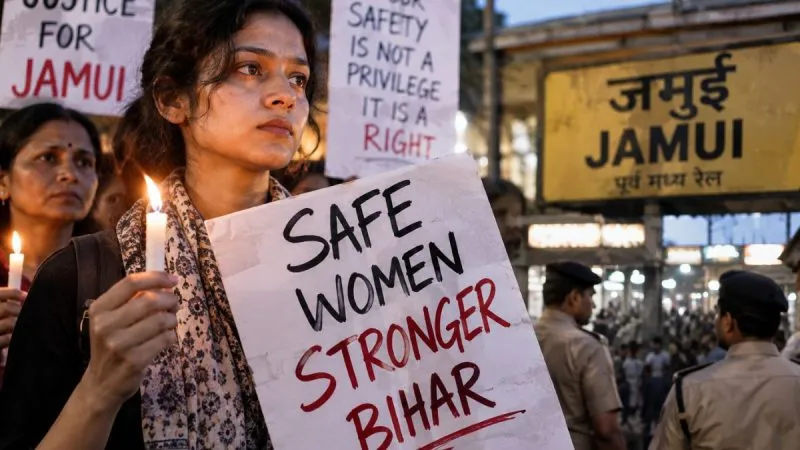
Freedom Redefined: What 202 Young Indian Women Told Us About Equality
Freedom used to be a flag. A march. A slogan shouted in unison.
Today it is quieter, personal, internal.
For young Indian women in 2025, freedom is not a poetic idea. It is survival. It is the difference between becoming who they are meant to be and shrinking to fit the frame society still hands them.
Our RealShePower on-field survey of 202 young Indian women reveals two defining truths of this generation:
- 66 percent want freedom from societal norms and expectations
- 83 percent believe true equality means equal participation in decision-making, opportunities, and public life
These are not abstract ideals. They are urgent demands rooted in lived experience.
A New Definition of Freedom
Freedom, for this generation, is not about rebellion for rebellion’s sake.
It is about choice.
It is about self-respect.
It is about being seen as a full human being, not a conditional one.
When we asked respondents to define freedom in their own words, most did not mention mobility, clothing, or nightlife. Those themes appeared, yes, but they were not central. What dominated was autonomy of mind and decision-making.
“Freedom is waking up without feeling like I owe my life to anyone else’s approval.”
A decade ago, conversations about women’s freedom in India centered on safety, public spaces, and visible rights. Today the battlefront has shifted inward. The modern Indian woman does not only want the right to go out at night. She wants the right to say no without guilt, to prioritize her ambitions without being labeled selfish, and to make choices without being perceived through the lens of morality.

From Movements to Mindsets
The independent woman of 2025 grew up watching protests, hashtags, and policy conversations. She inherits the progress made by generations of women before her and extends it into psychological territory.
Freedom is no longer only a social condition. It is a mental state.
She does not fight the world every day. Sometimes she fights herself.
The conditioning runs deep.
In our survey, young women repeatedly used words like permission, expectations, judgment, guilt, respect, dignity.
The vocabulary of modern feminism in India is shifting from public power to personal sovereignty.
Equal Participation Is the New Equality
Eight out of ten respondents told us that being “allowed” to exist equally is not enough. They want equal participation and equal influence. That means:
- equality in household decisions
- equal voice in relationships
- fair recognition at work
- shared responsibility, not romanticized sacrifice
They do not want to carry culture on their shoulders alone.
They want partnership, not pedestal.
A respondent summed it up perfectly:
“Do not praise me for being strong. Share the weight.”
Freedom From Expectations, Not Culture
Contrary to popular narrative, rejecting oppressive norms does not mean rejecting values, culture, or family. Most women in our study said they were not against tradition. They were against tradition being imposed.
They do not want to burn the system.
They want to rewrite their place within it.
A generation ago, freedom was leaving home.
Today, freedom is having the choice to leave or stay on her own terms.
A Silent Rebellion
This is not the loud fight of the streets. It is the steady rewriting of everyday life:
- saying no to unpaid emotional labor
- choosing careers without apology
- refusing guilt for rest or boundaries
- choosing companionship on equal footing
- deciding when and whether to marry
- expecting men to unlearn entitlement
- protecting mental peace like it is currency
These acts do not make headlines.
They remake lives.
Why This Matters
India is a young nation with a rapidly shifting emotional and social landscape.
When 83 percent of young women say equality means participation, not permission, we are witnessing a philosophical shift in real time.
This generation is not waiting to be empowered.
They are claiming their power.
Not as protest.
As identity.
What Comes Next
Freedom in India has always been collective. It now becomes personal too.
The future Indian woman will not ask whether she is allowed to dream.
She will ask whether a space respects her dream. If not, she will build her own.
And that is how nations change quietly, irrevocably.
RealShePower Copyright Notice
This feature and all referenced statistics are part of RealShePower’s original on-field survey and proprietary research. No individual, media outlet, institution, organization, independent creator, or researcher may reproduce, reuse, or quote this data without clear credit and acknowledgment to RealShePower.