What Has Gone Wrong with Delhi? From Ranga Billa to an Epidemic of Fear
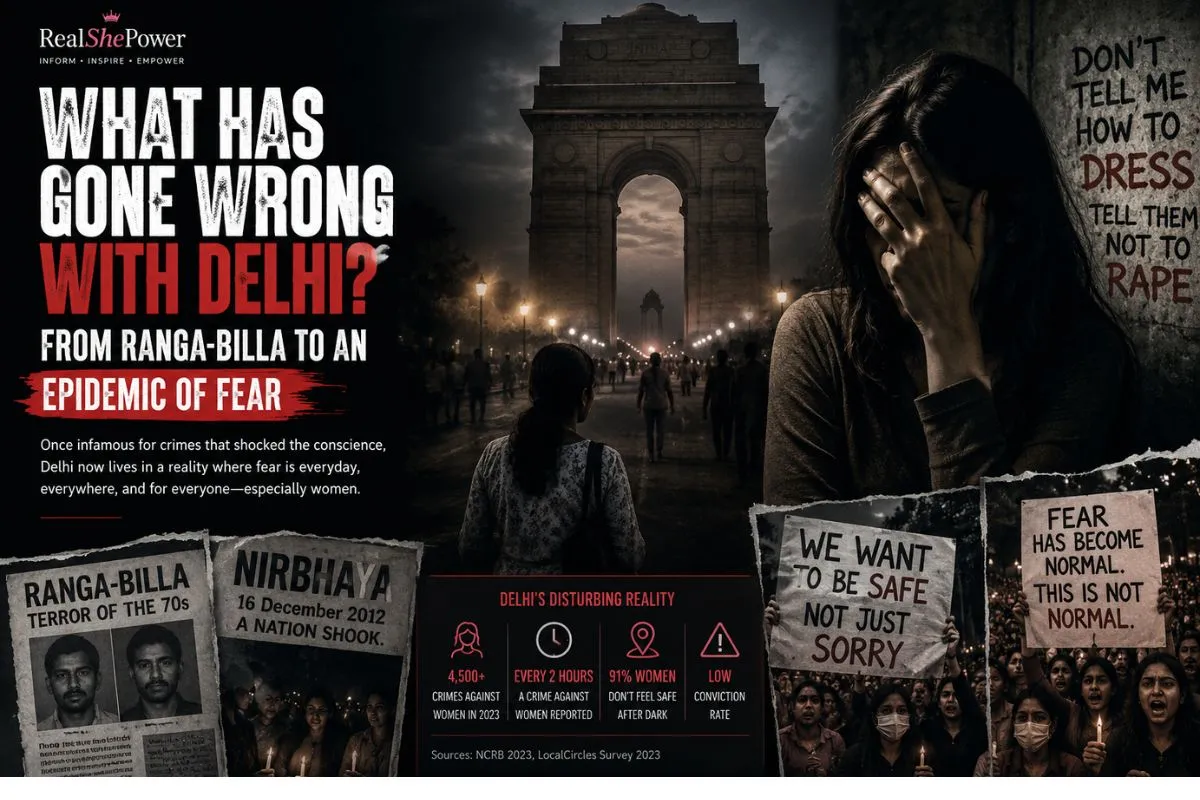
There was a time when the Ranga Billa case of 1978 shook the conscience of an entire nation. The brutal abduction, rape, and murder of siblings Geeta Chopra (16) and Sanjay Chopra (14) in Delhi was not just a crime—it was a rupture. In an era when children could still roam with a measure of innocent trust, when accepting a lift from strangers did not automatically signal mortal danger, this horror forced India to confront something unfathomable: that human beings could inflict such savagery on children. The nation mourned, parents tightened their grip on their kids, and Delhi began earning its unwanted reputation. Fast forward nearly five decades, and what was once an unimaginable exception has morphed into a grim, recurring pattern. Crimes against women and children have not only multiplied but grown in sheer brutality. Delhi, once the shocked capital, now leads many grim charts, and the fear has spread to cities and states across India.
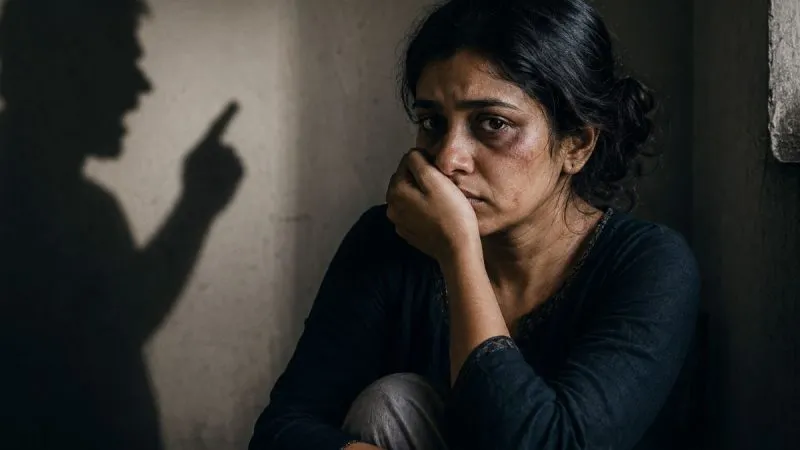
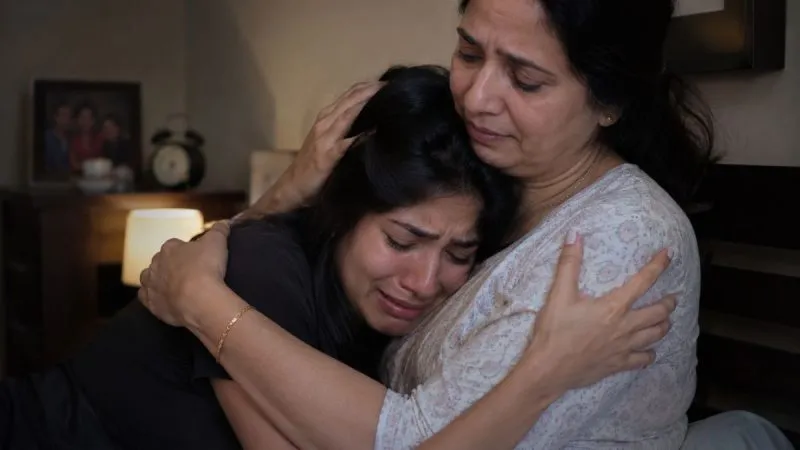
Today, raising children in Delhi—or in many parts of urban India—feels like navigating a minefield of anxiety. Parents track their daughters’ locations obsessively, hesitate to let sons play late, and instill a perpetual vigilance that steals childhood’s carefree joy. Women scan streets, buses, and metros with hyper-awareness, their freedom curtailed by an environment of constant, low-level dread. How did we descend from one shocking case that unified national outrage to a normalized landscape of violence where outrage itself feels exhausted?
The Data Tells a Brutal Story
Official statistics paint a damning picture. Delhi consistently records among the highest rates of crimes against women in the country. NCRB data shows Delhi’s crime rate against women far exceeding the national average—144.4 per lakh women compared to the national 66.4 in recent figures. It tops metro cities in violent crimes, including murders, kidnappings, and cases against women. Reported incidents have risen over decades, with spikes following high-profile cases like Nirbhaya in 2012, which itself triggered legal reforms but failed to stem the tide.
Kidnappings and abductions have surged in the capital. Brutality has escalated: gang rapes, acid attacks, murders involving extreme violence, and increasingly, crimes against very young children. What began as rare, conscience-shocking acts in the late 1970s now competes for headlines weekly. The shift isn’t just in volume but in dehumanization—the casualness with which lives, especially female and minor lives, are treated as disposable.
What Led to This Drastic Change?
No single factor explains the moral collapse, but a toxic confluence has eroded the restraints that once held society together.
1. Rapid Urbanization Without Anchors: Delhi has transformed from a relatively contained city into a sprawling magnet for millions of migrants seeking opportunity. Population density is extreme. Traditional social controls—village kinship networks, community oversight, shared moral codes—have dissolved in the anonymity of urban slums, unauthorized colonies, and transient hostels. When roots are shallow and survival is daily grind, empathy thins. The “hinterland mentality” imported into a capital lacking sufficient integration exacerbates this.
2. Socio-Economic Desperation and Inequality: Poverty, unemployment (especially youth unemployment), and glaring inequality breed frustration. Many perpetrators in headline cases come from marginalized economic backgrounds, often with histories of substance abuse or prior crimes. Drugs and alcohol fuel impulsivity and violence. Yet economic stress alone does not excuse brutality; it intersects with a deeper cultural rot. When aspirations soar via media but opportunities lag, a sense of entitlement mixed with resentment can turn toxic, particularly toward those perceived as “privileged” or vulnerable.
3. The Death of Morality and Conscience: This is the hardest pill. In 10-20 years post-liberalization and especially in the digital age, traditional moral frameworks—drawn from family, religion, education, and community—have weakened without robust secular or civic replacements. Hyper-consumerism promotes instant gratification. Pornography and violent media, easily accessible, desensitize viewers to human suffering. Respect for women, once imperfect but socially enforced through shame and family honor, has eroded amid fractured families, absent fathers, and a culture that sometimes glorifies aggression or objectifies the female body.
Conscience dies when accountability evaporates. Delayed justice, low conviction rates in many cases, political interference in policing, and overburdened law enforcement signal that “you can get away with it.” Police face chronic shortages, long hours, and inadequate training; cases drag on for years. The Ranga-Billa culprits were swiftly pursued and eventually hanged, sending a signal. Today, the system often feels performative—protests erupt, promises are made, but systemic rot persists.
4. Patriarchal Attitudes and Gender Disconnect: Deep-seated son preference, entitlement among some men, and a failure to socialize boys into equality contribute profoundly. Crimes against women often stem not from “lust” alone but power and dominance. The Nirbhaya case in 2012 exposed this brutally and led to stronger laws, yet implementation falters. Reporting has increased due to awareness, but actual deterrence remains weak. Many areas still normalize harassment as “eve-teasing,” and victim-blaming persists (“What was she wearing? Why was she out?”).
5. Governance and Cultural Failures: Delhi’s unique status as a union territory complicates policing and urban planning. Successive governments have prioritized optics over infrastructure for safety—better street lighting, public transport security, CCTV functionality, and swift-response mechanisms. Broader societal shifts, including family breakdowns and a youth bulge without purpose or ethical grounding, amplify risks. The spread beyond Delhi to other states shows it’s a national urban malaise: wherever rapid, unplanned growth meets weak institutions and fraying values, fear follows.
Why Has Morality Eroded So Quickly?
Human behavior isn’t fixed; it responds to incentives and environment. In a matter of decades, India urbanized at breakneck speed. Globalization brought material progress and exposure to liberal ideas, but also imported vices without the accompanying emphasis on individual responsibility and rule of law. Social media amplifies both outrage and perverse content. When “success” is measured by wealth and power, not character, and when immediate pleasures trump long-term consequences, brutality finds fertile ground.
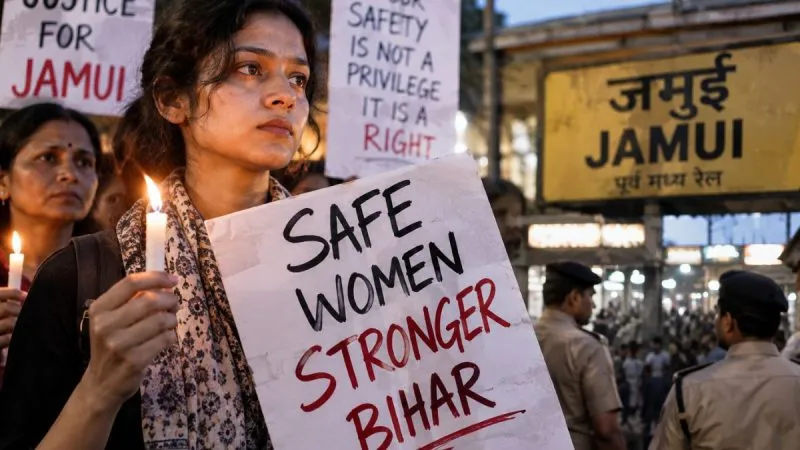
The conscience that recoiled at Ranga-Billa has been numbed by repetition. Each new horror feels like déjà vu. We march, we tweet, we demand justice—then move on until the next incident. Children internalize fear; women learn self-limitation. This is no way to live.
A Path Forward: Rebuilding Safety and Soul
Reclaiming Delhi and India requires more than laws. We need cultural renewal: education that instills empathy and respect from early years; strong families and communities that mentor youth; zero-tolerance policing with accountability; urban design prioritizing safe public spaces; and economic policies reducing desperate inequality. Women’s empowerment must pair with men’s ethical formation. Justice must be swift and certain—fast-track courts, better forensics, police reform.
For RealShePower, the call is personal and collective: mothers teaching boundaries and strength, fathers modeling respect, citizens demanding better governance, and individuals rejecting the normalization of fear. We cannot raise the next generation in perpetual dread.
The Ranga-Billa case marked the end of innocence. Decades later, we must decide if it also marks the beginning of renewal—or continued surrender to darkness. Delhi deserves better. India’s women and children demand it. The question is whether we still possess the collective conscience to fight for it.
The time for shock is over. The time for unyielding action is now.