Inside the April 14 Washington Peace Talks
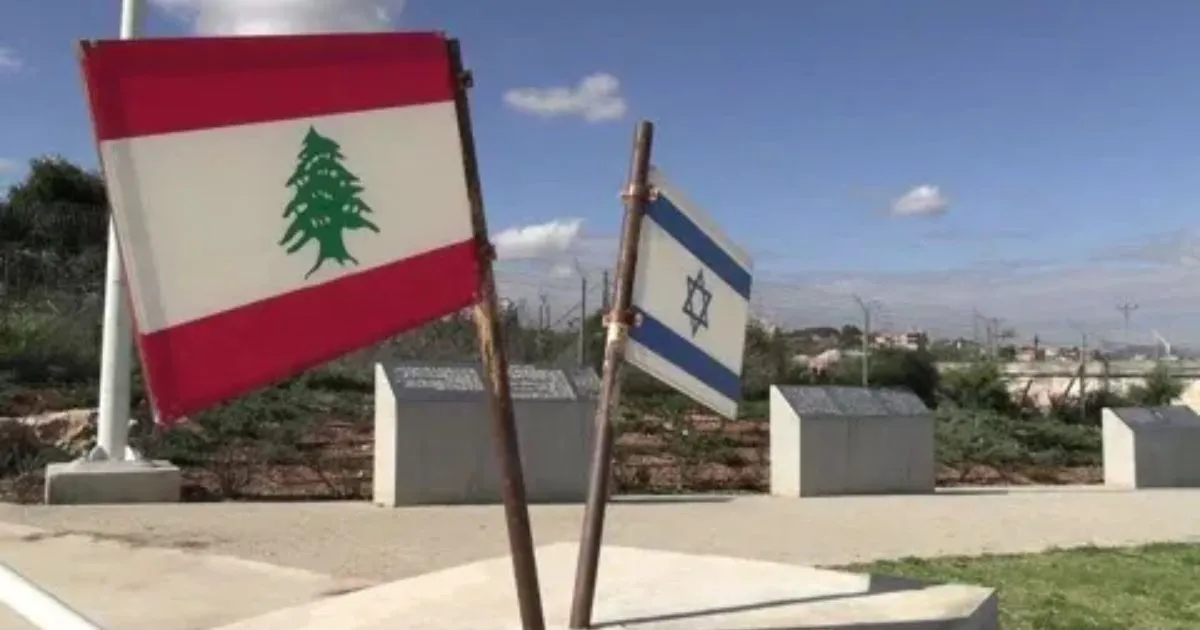
Today, April 14, 2026, the halls of the U.S. State Department are hosting a diplomatic event many thought impossible: direct negotiations between Lebanon and Israel. Mediated by U.S. Secretary of State Marco Rubio and top American diplomats, the meeting between Israeli Ambassador Yechiel Leiter and Lebanese Ambassador Nada Hamadeh-Moawad represents a high-stakes gamble for regional stability.
The Agenda: Ceasefire vs. Disarmament
The “Washington Summit” is a tale of two conflicting priorities. Lebanon’s primary goal is an immediate ceasefire to halt the devastating air campaign that has displaced over a million citizens and claimed thousands of lives.
Israel, however, has maintained a firm stance. Prime Minister Benjamin Netanyahu stated over the weekend that any “real peace agreement” must involve the total dismantling of Hezbollah’s weapons cache. Israel’s dismissal of a preliminary ceasefire suggests they intend to use military leverage—specifically the encirclement of the southern town of Bint Jbeil—to dictate the terms of the formal peace deal.
The Hezbollah Factor
The biggest shadow over these talks is the fierce internal opposition within Lebanon. Hezbollah leader Naim Qassem has denounced the negotiations as “futile” and accused the Lebanese government of “backstabbing” the resistance.
Violent protests erupted in Beirut leading up to today’s meeting, with supporters of the group warning that northern Israeli localities will not be safe regardless of the diplomatic outcome. The fundamental question remains: can the Lebanese government enforce a peace treaty that its most powerful military faction refuses to recognize?
The “Hormuz” Connection
The Washington talks are happening against a backdrop of global tension. The U.S. naval blockade of Iran in the Strait of Hormuz has entered a critical phase, with President Trump vowing to “obliterate” any Iranian vessels that interfere with the mission.
Tehran has warned that continued strikes on Lebanon could jeopardize separate U.S.-Iran negotiations currently being brokered in Pakistan. The link between the Lebanon-Israel border and the Persian Gulf has never been more direct; a failure in Washington today could trigger a domino effect of escalation across the entire Middle East.
Summary: A Fragile First Step
The Verdict: While the direct contact between ambassadors is a historic breakthrough, the gap between “ceasefire” and “disarmament” remains a chasm. Today’s meeting is less about a final signature and more about testing whether the Lebanese state can truly act independently of non-state actors.
In Other News: The “K-Pop Demon Hunters” Craze
If you need a break from global geopolitics, the viral trend of the day is the McDonald’s x Netflix “K-Pop Demon Hunters“ meal.
- The Rivalry: Fans are currently choosing sides between the HUNTR/X Meal (featuring purple “Demon Sauce” and Ramyeon McShaker Fries) and the Saja Boys Breakfast.
- The Chase: Limited-edition holographic photocards of members Rumi, Mira, and Zoey are already being resold for hundreds of dollars in the “Brat Finance” markets.
Which side of the “Battle for the Fans” are you on—the Hunters or the Pride?