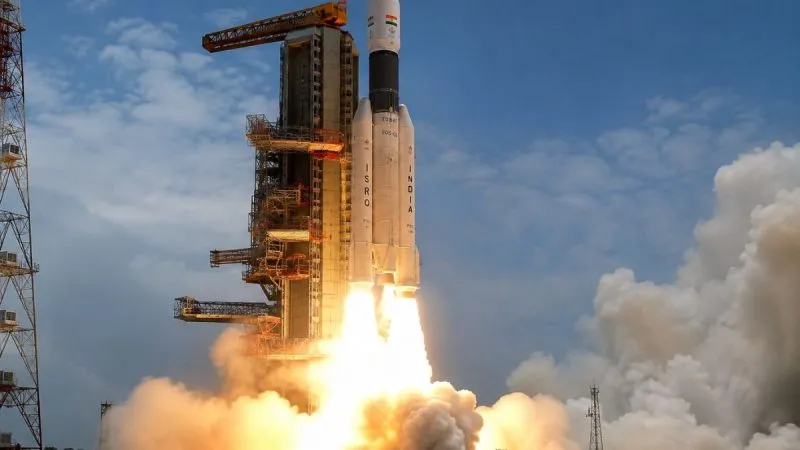
India Scales Up Humanitarian Mission to Aid Flood-Hit Nepal as Death Toll Rises
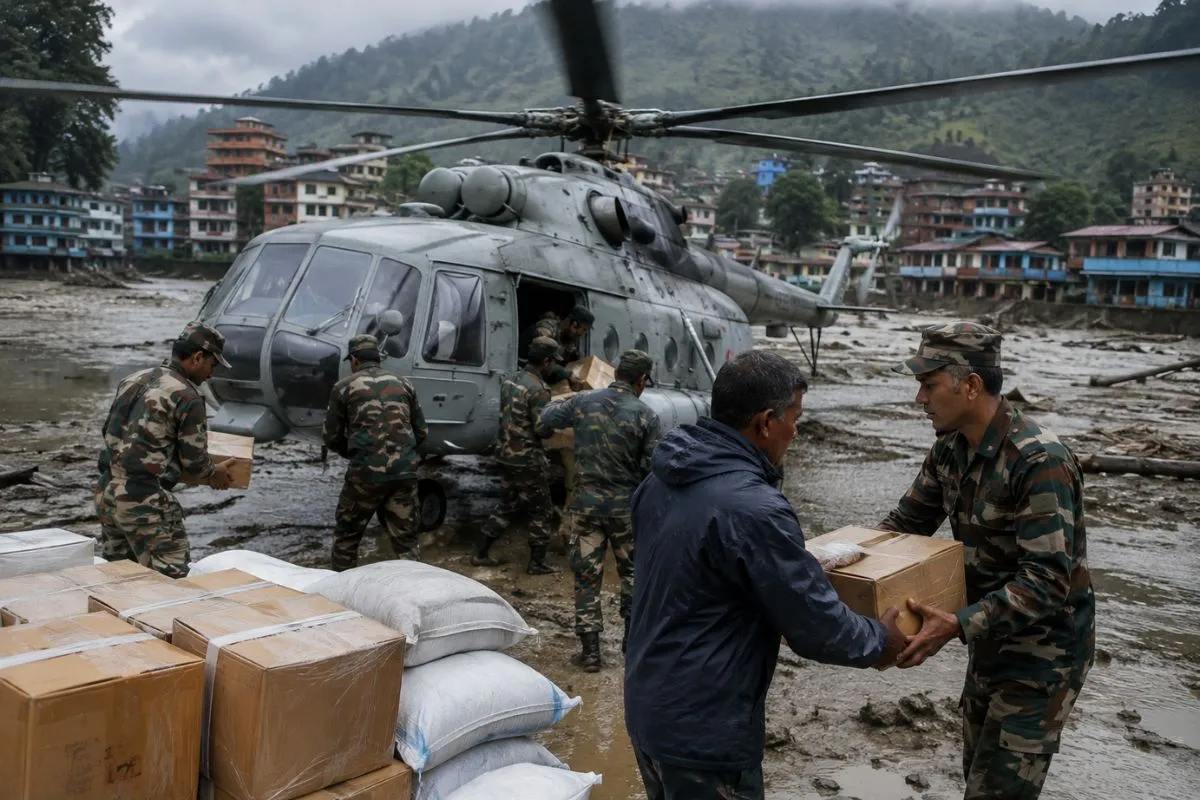
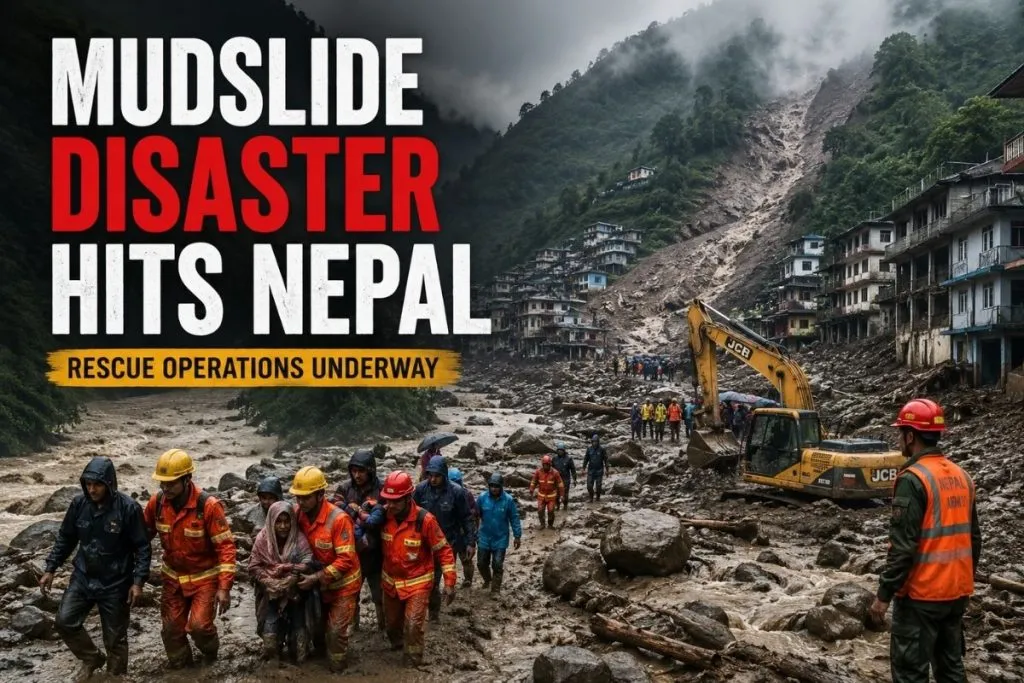
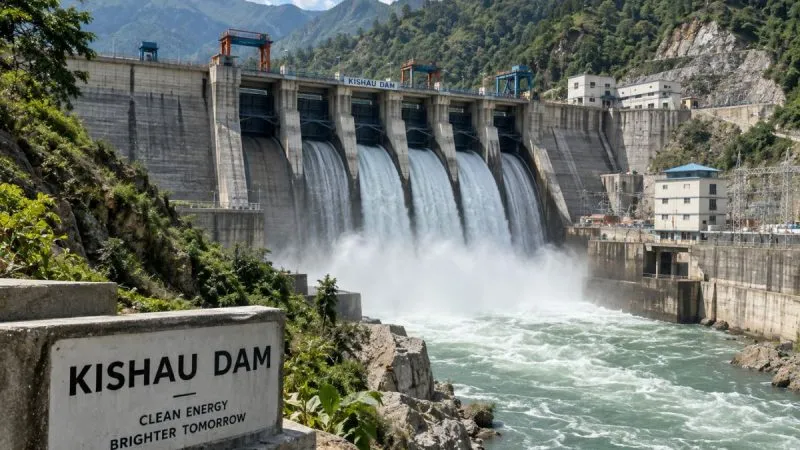
India has intensified its emergency humanitarian assistance to Nepal following catastrophic flash floods and debris flows along the Bhote Koshi river system. Triggered by a high-altitude glacial collapse near the Nepal-Tibet border, raging floodwaters washed through river valleys in Rasuwa, Nuwakot, and Dhading districts, causing extensive damage to local infrastructure, hydropower plants, and transit corridors.
With the death toll climbing past 1,100, India has activated multi-agency support under its “Neighbourhood First” disaster response framework.The Indian Air Force (IAF) has airlifted more than 74 tonnes of critical relief logistics, emergency medical inventory, and specialized search-and-rescue personnel directly into Kathmandu to support local operations.
Air Bridge Mobilizes Emergency Supplies and Rescue Units
Following high-level diplomatic coordination, the Indian Air Force deployed heavy-lift C-17 Globemaster and C-130J Hercules aircraft to establish an ongoing air supply bridge.
- Medical and Shelter Support:Immediate airlifts delivered over 74 tonnes of essential goods, including large family tents, water purification units, portable generators, hygiene kits, and surgical medicines.
- Specialized Subterranean Rescue:A 24-member Indian tunnel rescue team, equipped with specialized equipment, moved into the hard-hit Chilime and Langtang hydro-project tunnels to search for trapped workers amidst deep mud and debris.
- Forensic and Identification Units:A 19-member forensic contingent arrived in Kathmandu to work alongside Nepali forensic labs to assist with DNA analysis and victim identification.
Safe Evacuation of Pilgrims and Indian Nationals
The unexpected flooding also stranded hundreds of foreign tourists and pilgrims traveling along the Kailash Mansarovar circuit near the border transit points. Ground forces and embassy teams have been working continuously to establish communication links and coordinate safe passage.
Over 160 Indian nationals stranded in high-altitude zones have been safely evacuated by military helicopters and overland convoys. Additionally, coordinated efforts between Indian, Nepali, and Chinese authorities facilitated the transit of hundreds of pilgrims back into border transit holding centers.
Infrastructure Restoration and Transboundary Impact
Because the Bhote Koshi and Trishuli river networks flow directly into northern India as the Gandak River, downstream alerts were issued across border districts in Bihar and Uttar Pradesh.
To aid in Nepal’s immediate logistical recovery, India has supplied prefabricated Bailey bridges to quickly reconnect severed mountain highways and enable ground access for heavy machinery.Joint engineering units continue clearing debris to restore critical supply routes across the northern districts.
Strengthening Regional Disaster Preparedness
The devastating impact of the Bhote Koshi flood underscores the increasing frequency of extreme climate events across the fragile Himalayan ecosystem. The ongoing crisis highlights the vital necessity of cross-border early-warning systems, joint disaster management protocols, and coordinated regional response strategies.
As disaster response forces navigate difficult terrain to complete ongoing rescue operations, India’s sustained airland support reflects a commitment to supporting its neighbor through immediate recovery and long-term rebuilding.