Devastating Mudslides Strike Nepal & North India: Emergency Relief Efforts Underway
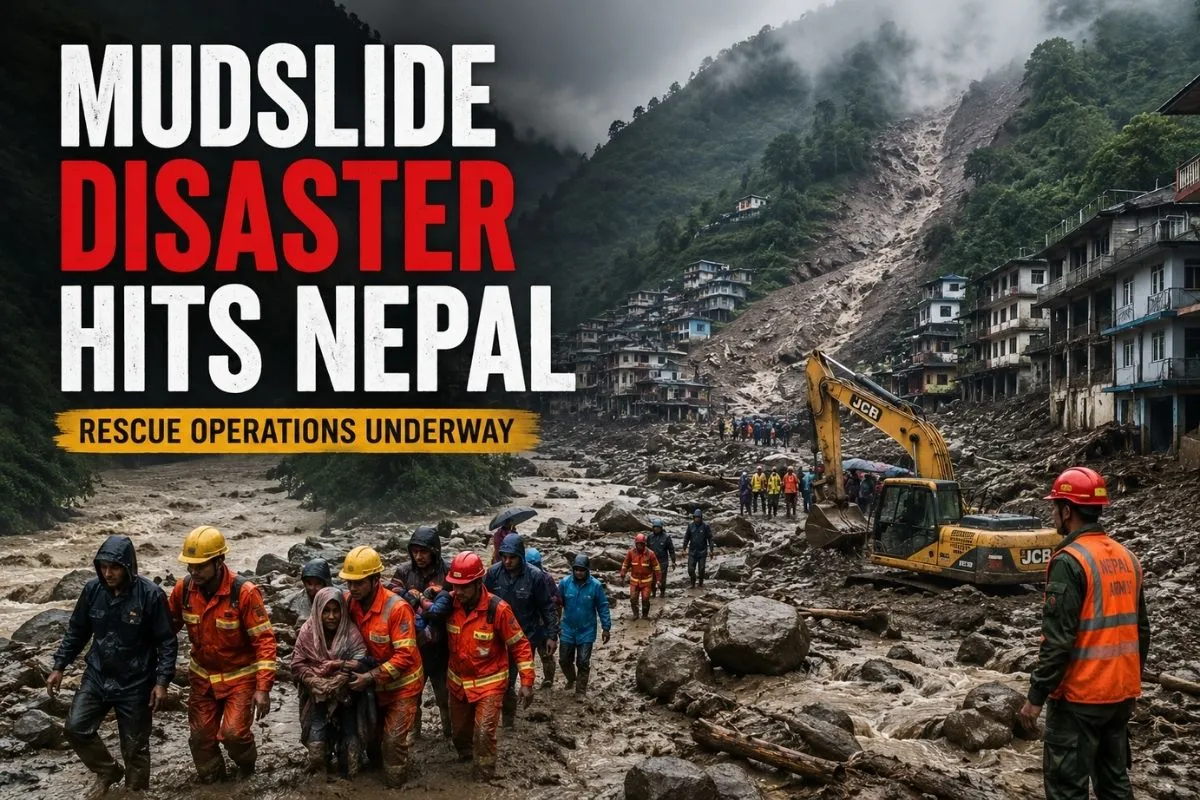
Continuous, torrential monsoon rainfall across Nepal and parts of Northern India has triggered widespread mudslides and flash floods, sweeping away vital infrastructure, destroying homes, and isolating several remote mountain communities.
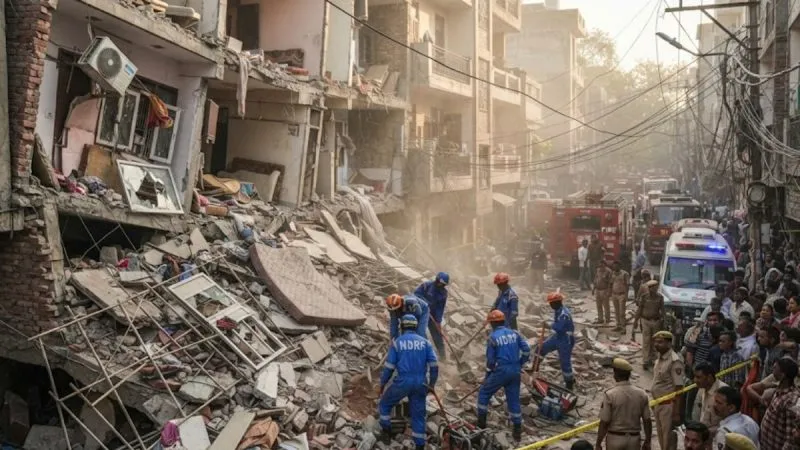
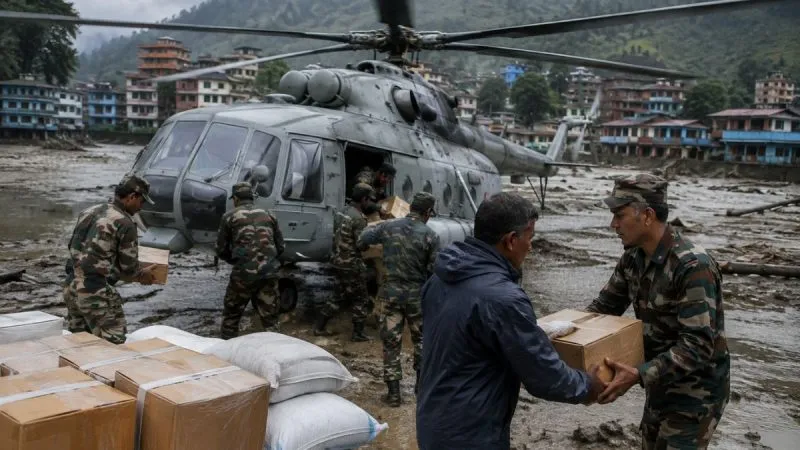
State authorities and regional disaster management organizations have issued red alerts across affected mountain districts. Emergency response teams including specialized disaster relief personnel, armed forces, and local volunteer networks are working around the clock under treacherous weather conditions to clear blocked highways, drop essential survival supplies, and evacuate stranded residents from high-risk river valleys.
The Scale of Destruction Across the Himalayan Belt
The unprecedented rainfall over consecutive days has saturated the fragile mountainous terrain, causing massive hillside collapses along major highway corridors and rural feeder roads.
In Nepal’s hilly districts, several vital transit routes connecting local mountain towns to major urban centers have been cut off by debris, leaving thousands of travelers and residents stranded. Rivers overflowing their banks have flooded low-lying settlements, washing away bridges and damaging agricultural lands that sustain regional livelihoods.
Across Northern India, mountain states have reported similar damage. Landslides along key national highways have halted vehicular traffic, disrupting the movement of essential food supplies, medical provisions, and emergency response vehicles.
Heroic Evacuations and On-the-Ground Relief Efforts
Despite persistent rainfall and ongoing rockfalls, rescue teams are executing high-stakes operations using heavy machinery, emergency boats, and specialized climbing gear to reach trapped families.
- High-Risk Air Evacuations:Military helicopter units remain on standby to airlift critically injured individuals and drop pre-packaged food, clean drinking water, and medical kits into remote hamlets completely cut off by road closures.
- Emergency Relief Camps:Local administration teams have established temporary relief shelters in schools and community centers, providing hot meals, blankets, and medical care to displaced families.
- Clearing Critical Corridors:Heavy earth-moving equipment is working continuously along primary arterial roads to clear mud, fallen trees, and boulders to restore connectivity for rescue vehicles.
Community Resilience and Grassroots Support
During sudden climate emergencies, local communities consistently serve as the first line of defense. Women’s self-help groups, youth volunteer networks, and local NGOs have stepped up to organize community kitchens, distribute sanitation supplies, and provide emotional support to displaced families navigating sudden loss.
Humanitarian relief networks are emphasizing the need for long-term rehabilitation alongside immediate emergency relief. Rebuilding damaged homes, restoring destroyed water pipelines, and securing livelihood support for rural households will remain primary challenges over the coming months.
As meteorologists predict continued rainfall across vulnerable mountain corridors, regional governments are urging citizens in landslide-prone areas to relocate to designated safe shelters. The ongoing tragedy highlights the urgent need for sustainable mountain infrastructure, robust early warning systems, and climate-resilient regional planning.